Stool made with own offcuts
Click on the image to open

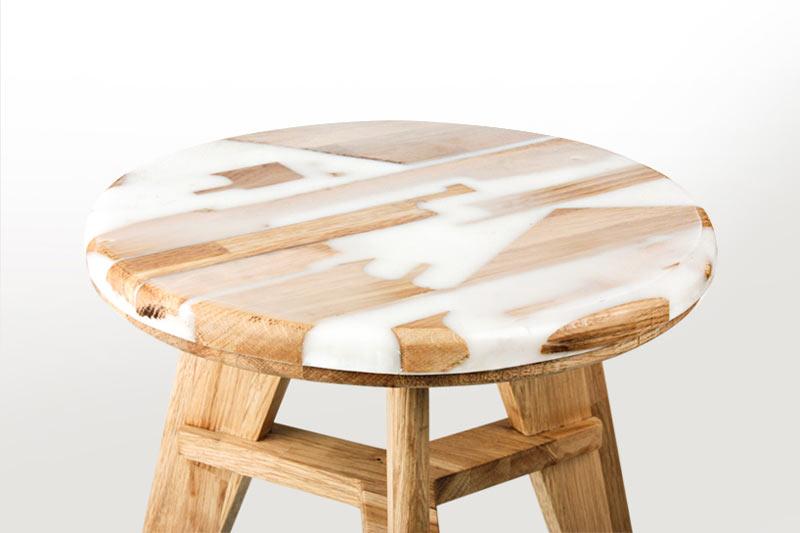
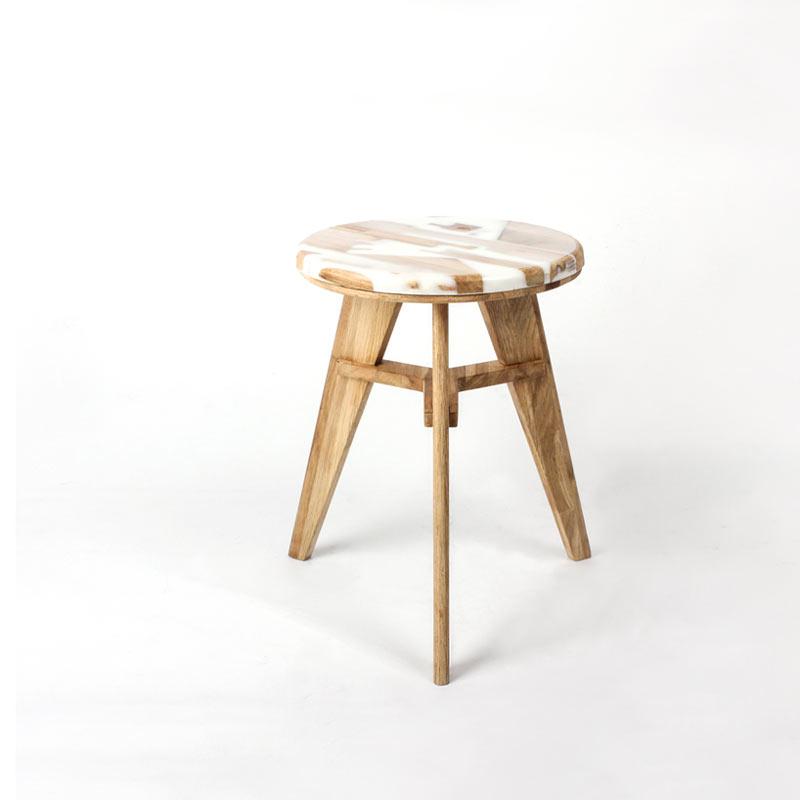
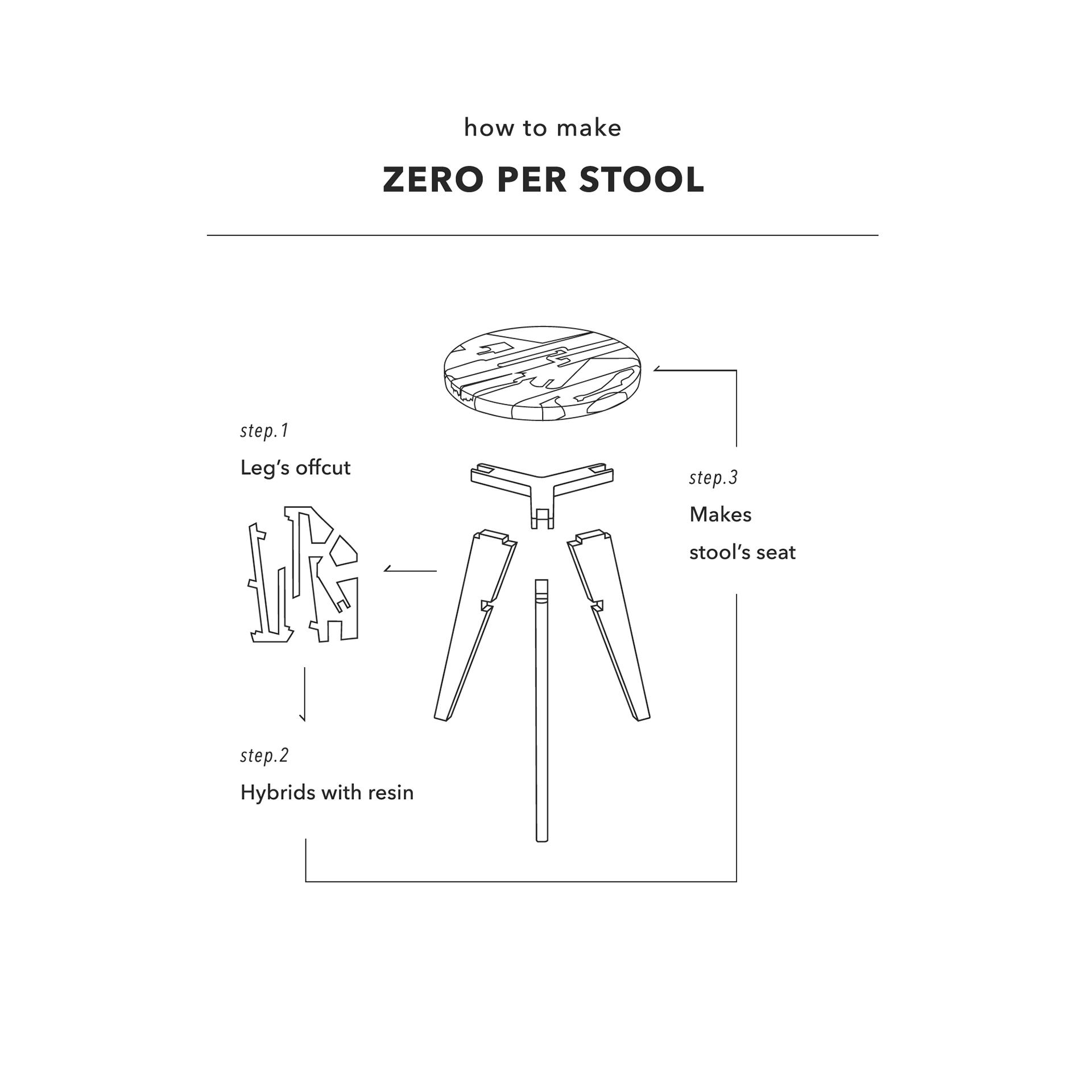
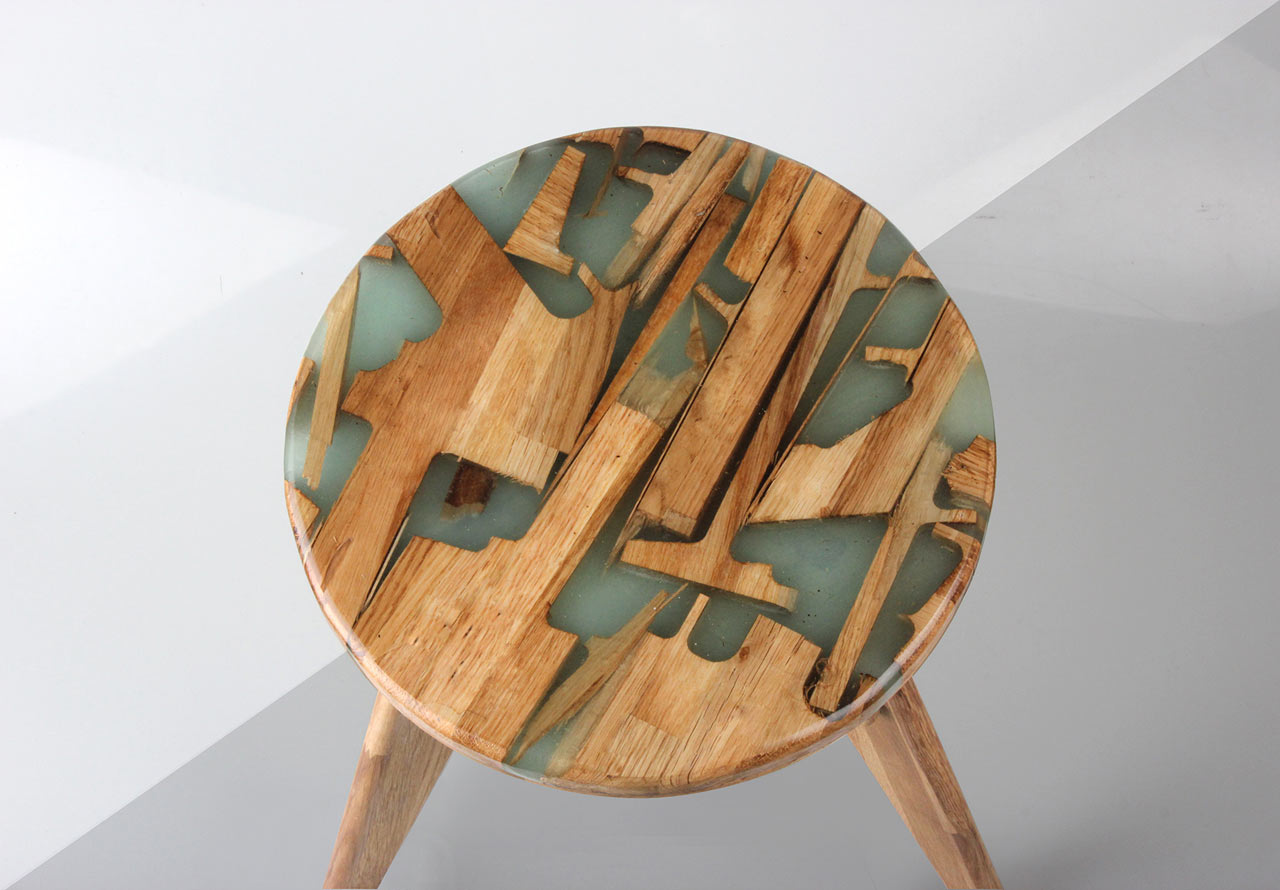
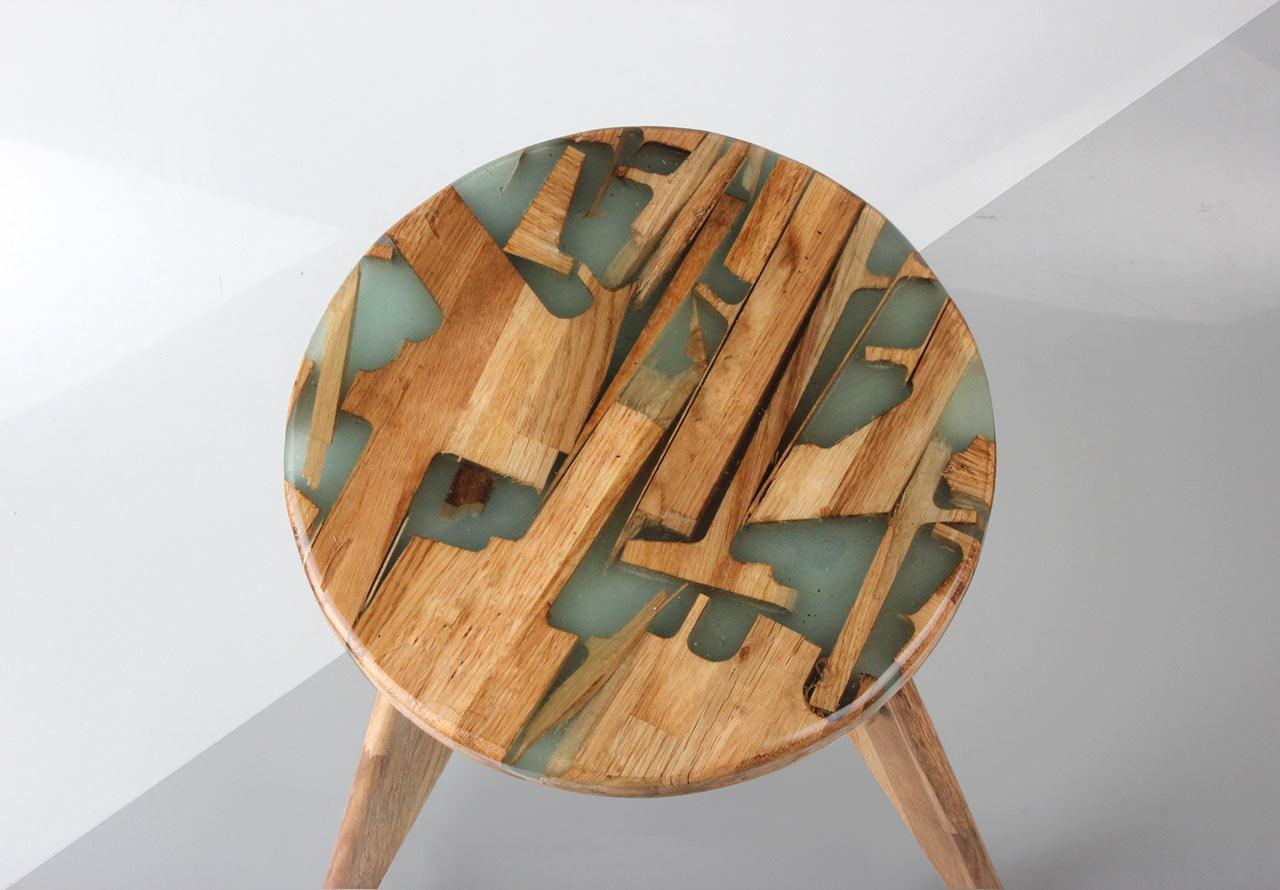
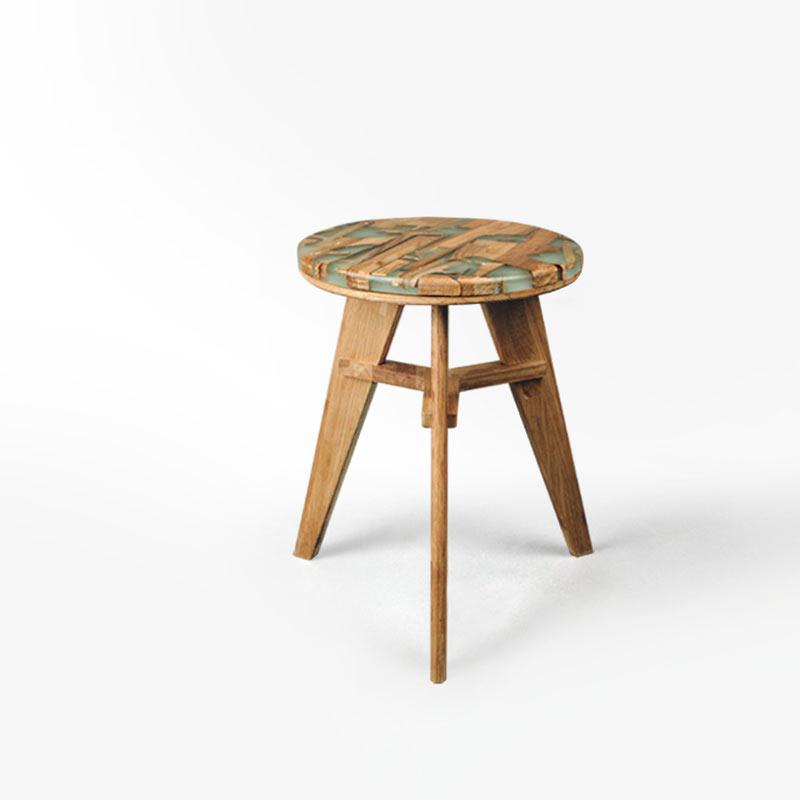
Offcuts from the legs are used to form the seat of the Hattern Zero Per Stool.
Click on the image to open

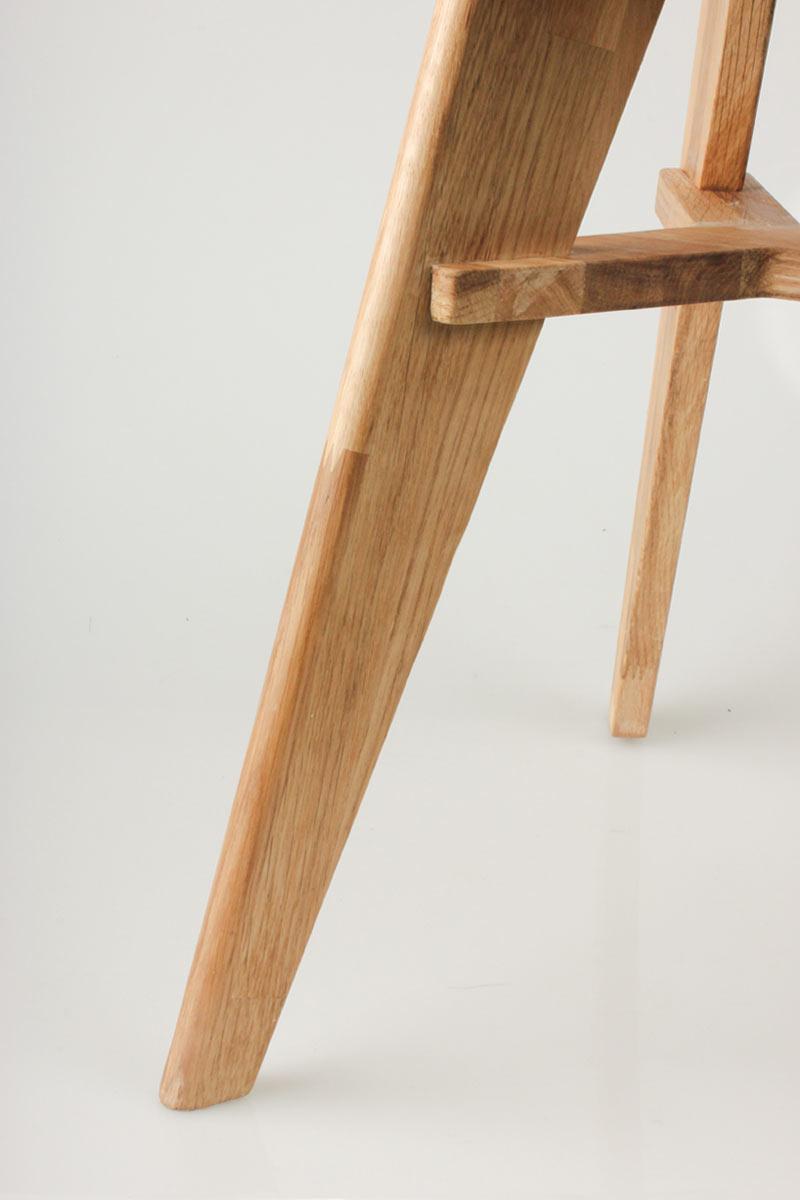
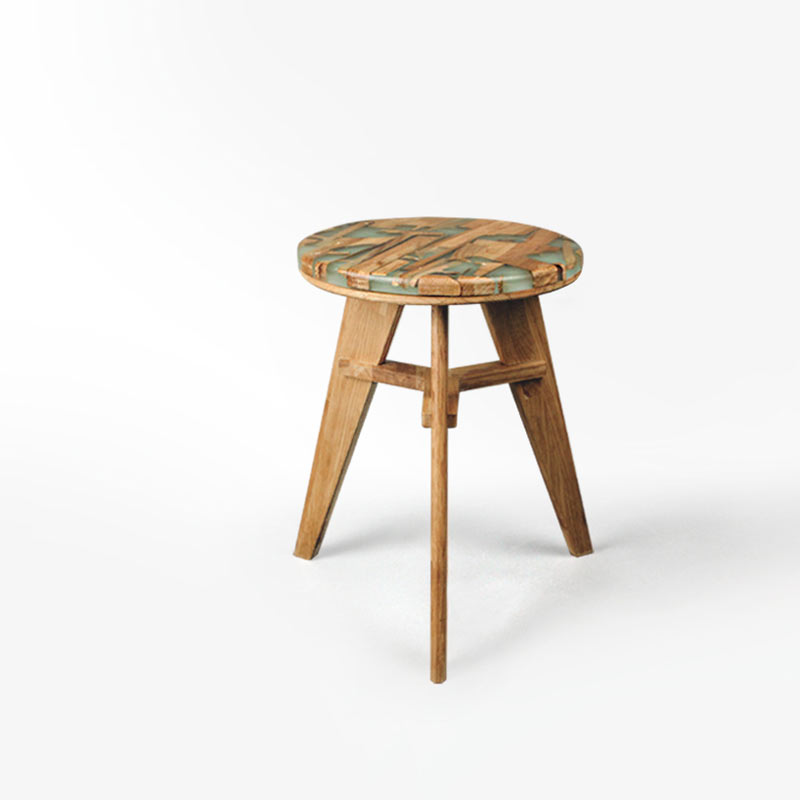
Legs and braces are made from white oak.
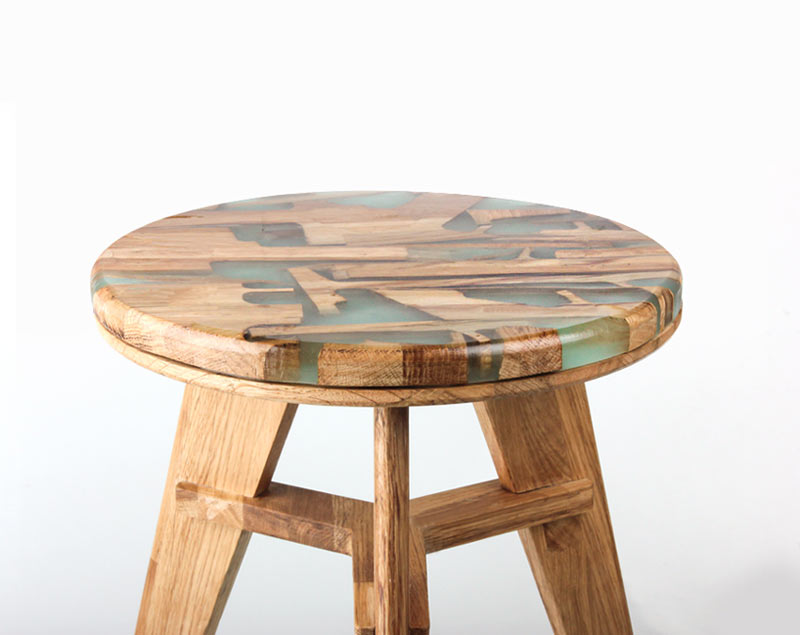
Click on the image to open

Offcuts are combined with translucent resign to form the seat.
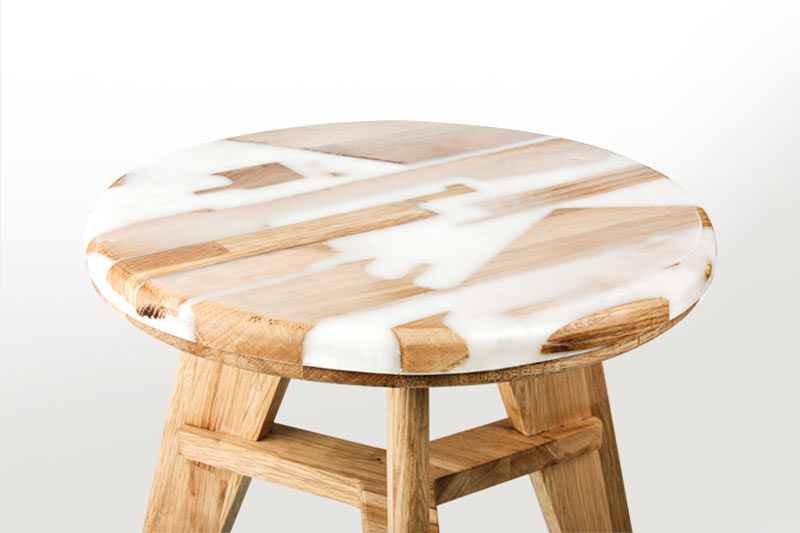
Click on the image to open

Different colors of resin combine with the shape of offcuts for a unique design.

Click on the image to open

The Zero Per Stool was created by a team of designers from South Korea.
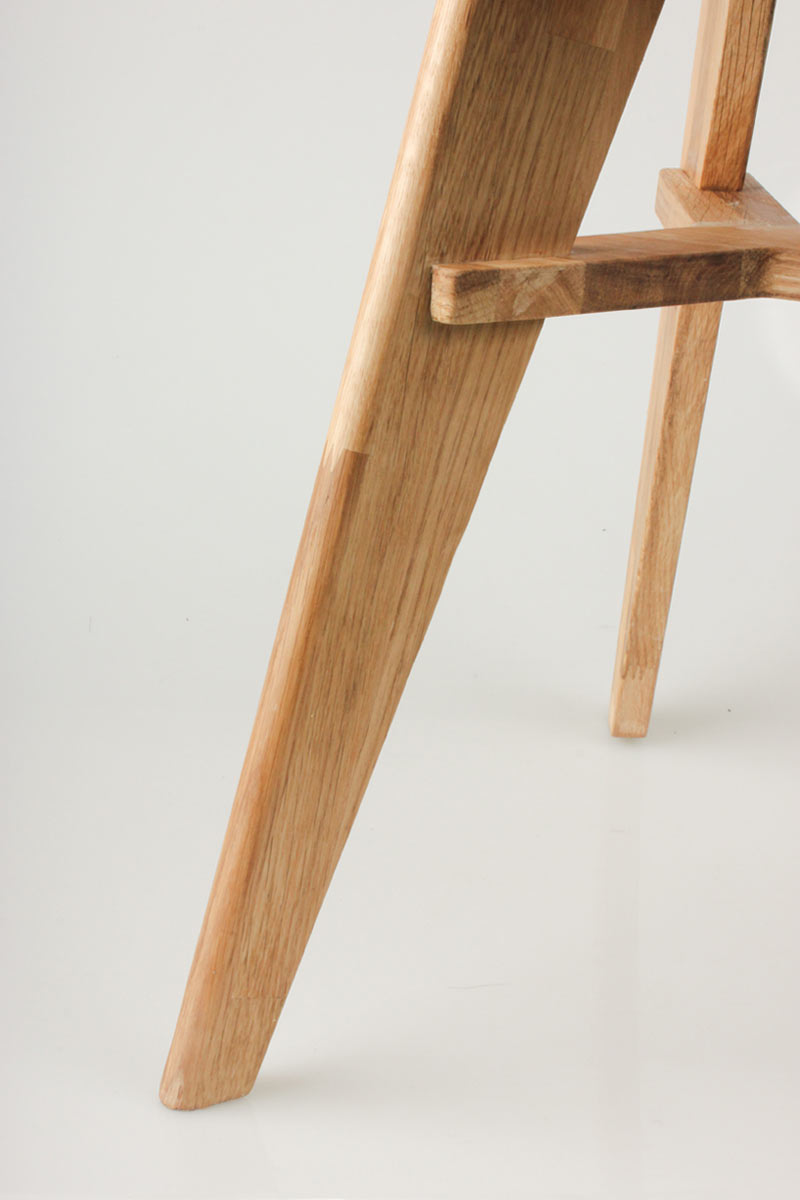
Click on the image to open

Detail of white oak leg construction.
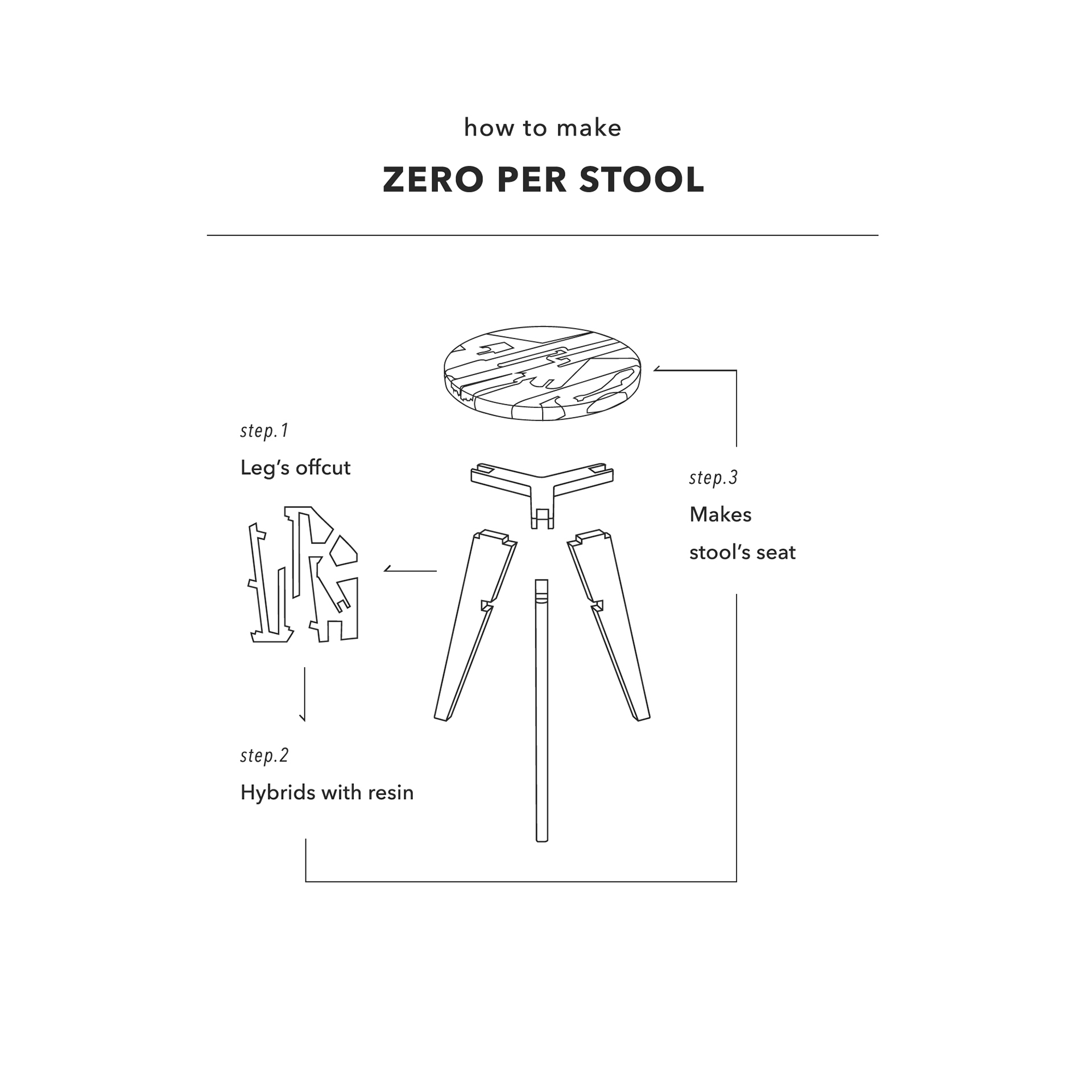
Click on the image to open

Hattern's goal in the design was to eliminate all waste.

Click on the image to open

Translucent resin combines with the wood offcuts in what Hattern calls "hybrid wood technique."

Click on the image to open

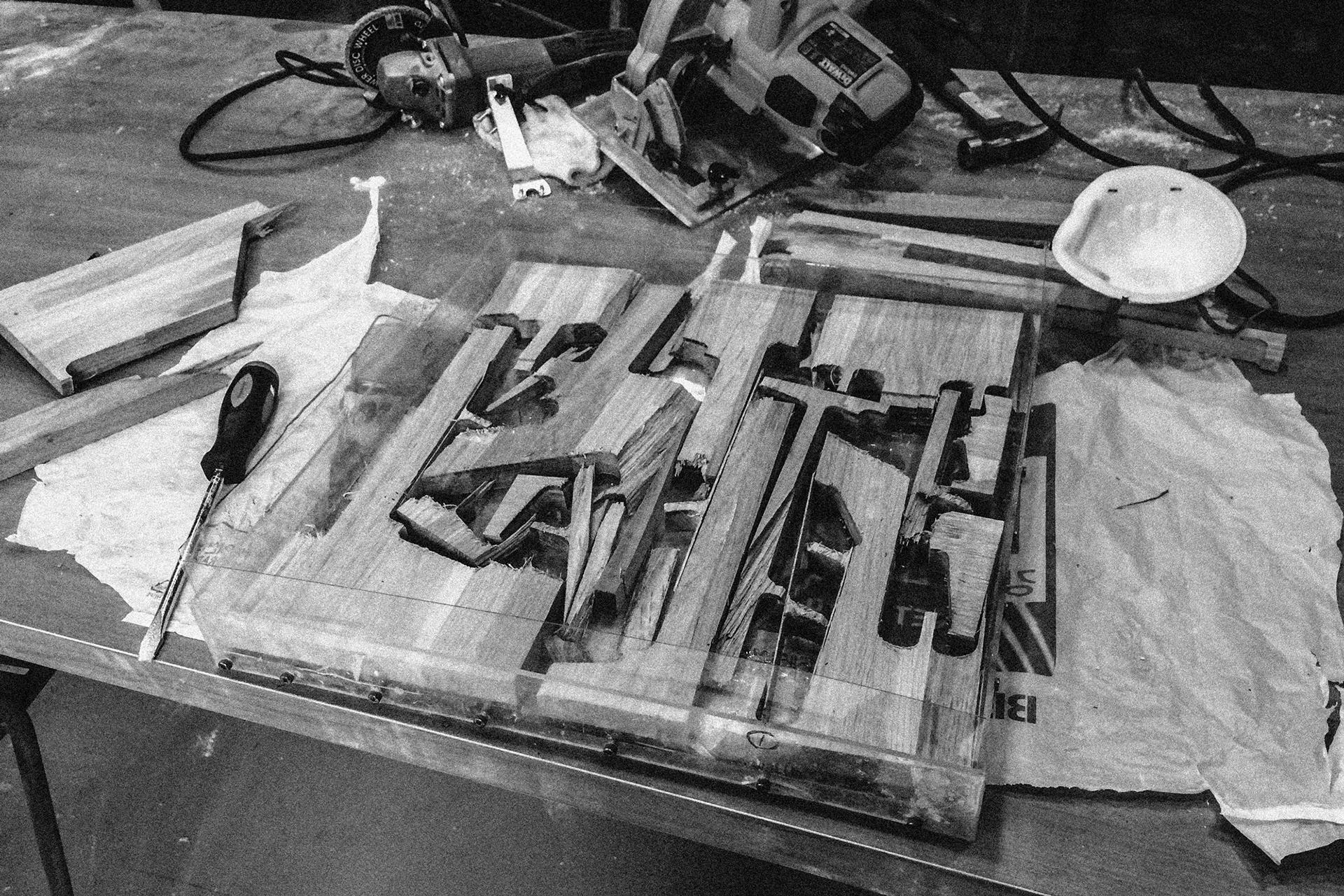
Offcuts awaiting resin. Whatever is leftover after making the seat can be used for smaller projects such as fountain pens or coasters.
Every furniture manufacturer dreams of making products with as little waste as possible. Now a team of South Korean designers has come up with furniture that is made from its own offcuts.

Called the Zero Per Stool, it is the brainchild of the Hattern design studio in South Korea, which involves Jank Won, Min-a Kim and Kyungsun Hwang. Legs and braces for the three-legged stool are cut from flat white oak stock, leaving the kind of typical waste one might see in a CNC nest. But rather than discarding that waste, Hattern’s design repurposes it to create the stool’s seat.

They pour the broken offcuts into a mold with resin to create the seat. The unusual shapes of the offcuts clearly show in the seat, mixing the wood forms with the translucent resin in the voids between pieces. Hattern calls it a “hybrid wood technique.”

“The interesting shape of woods and various colored combinations of the translucent resin are presented new aesthetic beauty to the consumers,” says a statement on Hattern’s website.

Pieces too small to be used in the seat become other projects such as fountain pens or coasters. “The waste produced from the product is reduced to almost 0%,” says Hattern.

Hattern describes themselves as an “up-cycling design studio which extracts patterns from waste. We aim at making practical and beautiful up-cycling products.”


Have something to say? Share your thoughts with us in the comments below.

Profile picture for user willsampson
About the author
William Sampson

William Sampson is a lifelong woodworker, and he has been an advocate for small-scale entrepreneurs and lean manufacturing since the 1980s. He was the editor of Fine Woodworking magazine in the early 1990s and founded WoodshopBusiness magazine, which he eventually sold and merged with CabinetMaker magazine. He helped found the Cabinet Makers Association in 1998 and was its first executive director. Today, as editorial director of Woodworking Network and FDMC magazine he has more than 20 years experience covering the professional woodworking industry. His popular "In the Shop" tool reviews and videos appear monthly in FDMC.