

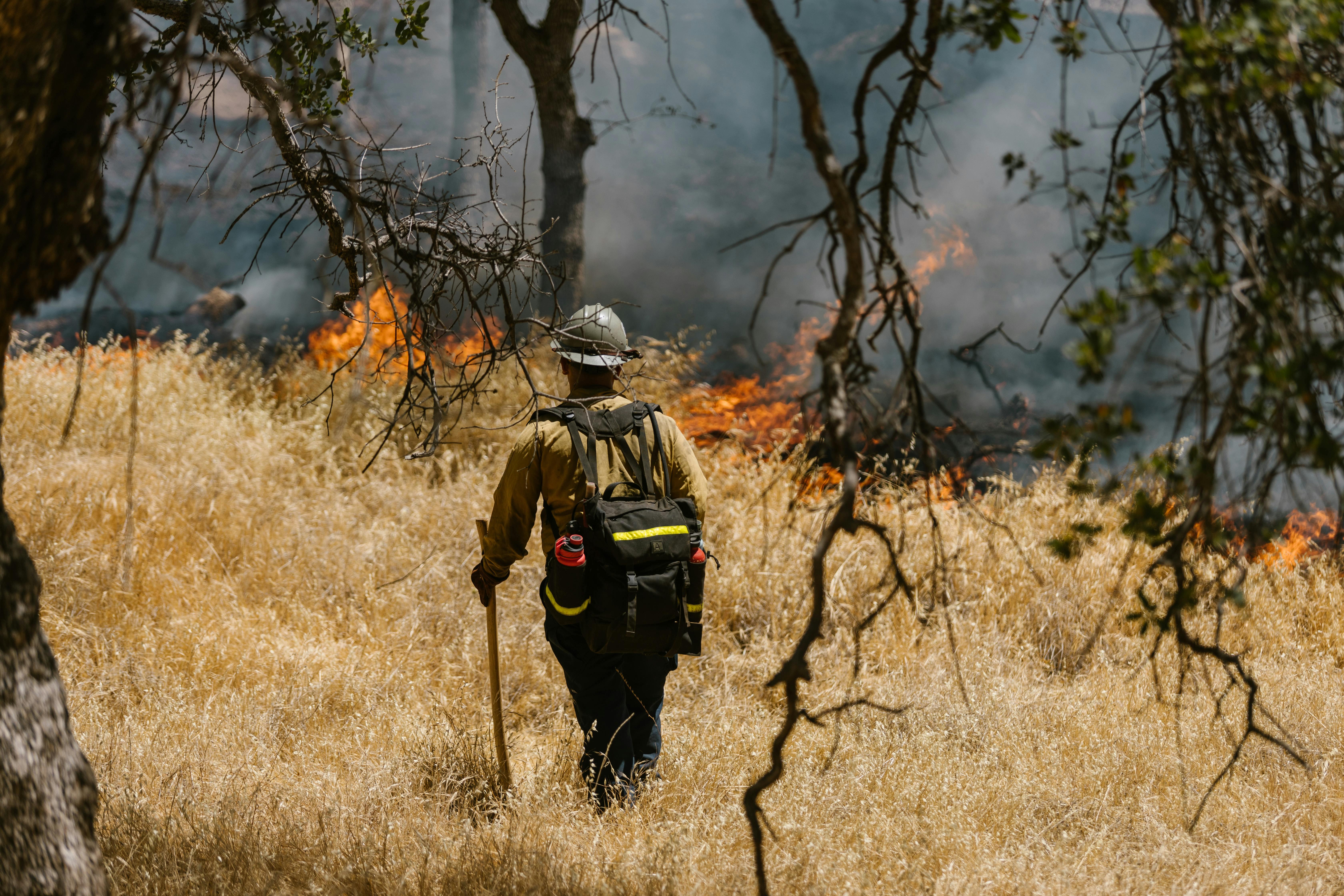
The American Society of Interior Designers (ASID), in collaboration with the Chemical Insights Research Institute (CIRI) of UL Research Institutes, has unveiled new research on the effects of extreme weather and climate events on the built environment and its occupants. Focusing on the intersection between science and interior design, “ASID Impact of Design Brief: Climate, Building Resiliency & Human Health” is the first of two free resources from ASID and CIRI.
The extreme weather brief examines the current state of the environment from a chemical landscape perspective and proposes how its three leading topics — climate, building resiliency and human health — can be better considered in an evolving design practice. The brief explores how weather events impact the built environment and interior design, the effects of extreme weather on human health and building resilience, and insight into designing for the future.
Extreme weather events and climate impacts are increasingly affecting people’s everyday lives — ASID’s “2024 Trends Outlook Report” found that two-thirds of Americans have experienced extreme weather events. These types of events react with building materials and chemicals, creating new challenges in the built environment. With this uptick in mind, ASID’s research with Chemical Insights offers interior designers the opportunity to move from a reactive to proactive approach to help mitigate the risk and foster a positive impact on health.
The brief provides data to inform designers in their practices. Notable findings include:
Poor indoor air quality puts nearly 40% of the U.S. population at risk for serious health problems. On average, people spend approximately 90% of their time indoors, breathing 15,000 liters of air a day. Weather and climate disasters impact the built environment and increase chemical and particle exposure to poor indoor air quality.
The levels of indoor chemical pollutants exceed those of the outdoor environment by at least two-fold. Occupants in the built environment face a complex mixture of chemicals. While new rating systems, product declaration statements, protocols, and regulations have been introduced, the increase in extreme weather events has created novel challenges beyond carbon emissions that change the way materials behave.
Beyond extreme weather events, designers must also consider smaller, more daily occurrences. For example, longer and warmer summers can increase temperatures and subsequently increase chemical emissions from synthetic materials, while greater amounts of heat and moisture with more frequent thunderstorms may create conditions conducive to mold.
The report concludes with a forward-facing look at how interior designers can improve building resiliency and mitigate climate-related outcomes for occupants:
• Use an integrative design approach. Bring the owner, design team, and other experts and stakeholders together early in the design process to establish goals, set priorities and identify occupant risks.
• Proactively evaluate potential impacts. Prioritize materials, finishes and furnishings that minimize risks to human health to reduce indoor pollution and achieve greater resiliency.
• Convey strategies and assess outcomes. Communicate to ensure alignment, engage stakeholders and demonstrate results for greater transparency and trust.
ASID research fellow, Dr. S. Dawn Haynie, will present on the findings of the CIRI brief at GATHER Catalyst in Denver, Colorado, on Tuesday, Aug. 13. Download “ASID Impact of Design Brief: Climate, Building Resiliency & Human Health” at bit.ly/4ab12k0.


Have something to say? Share your thoughts with us in the comments below.