

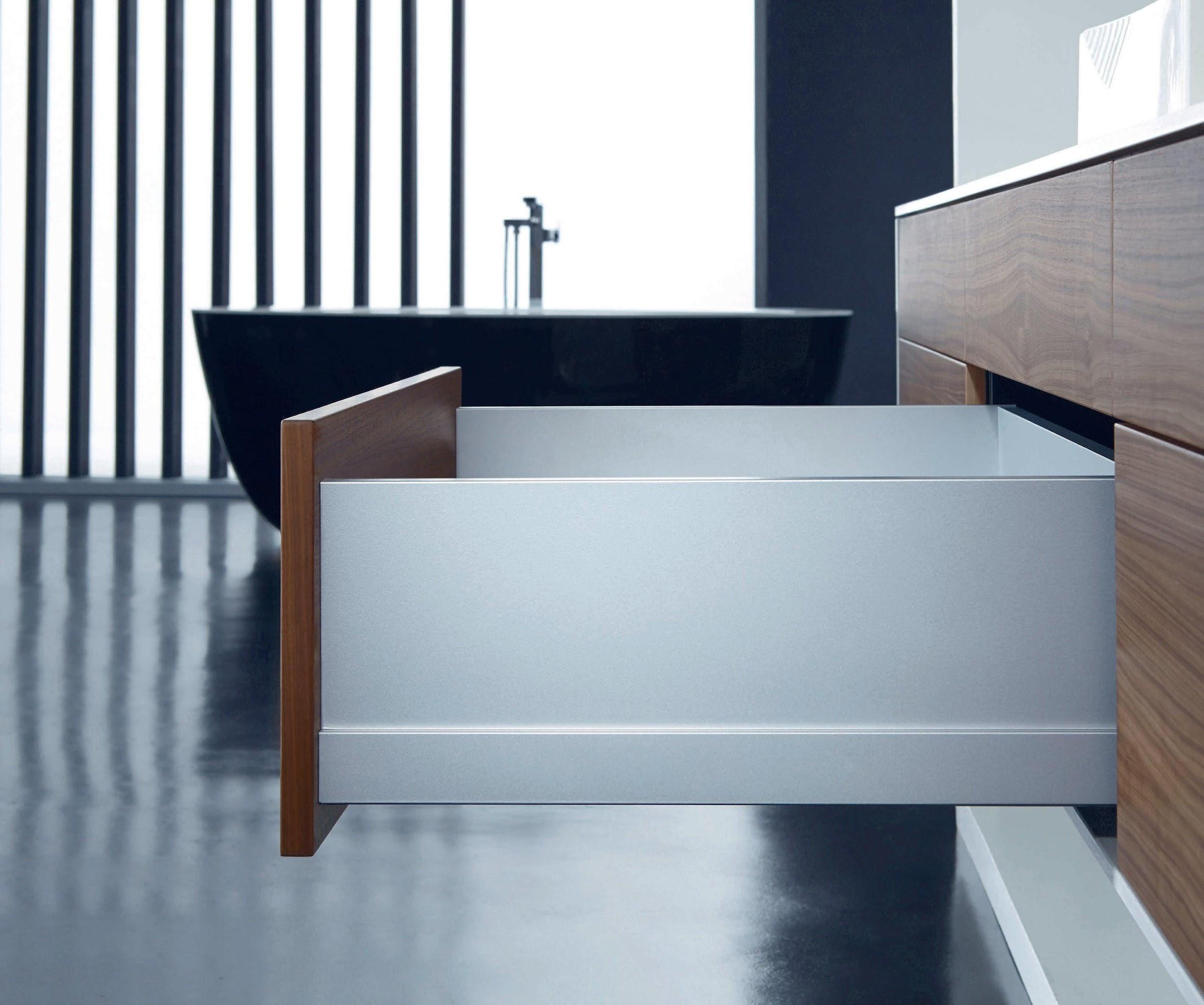
In a design landscape where consumer expectations for durability are rising, the selection of hardware is a critical factor in product reliability and user satisfaction. Functional hardware—hinges, drawer slides, and lifters—serves as the foundation of successful product design, determining the longevity and performance of the final installation.
High-quality hardware is characterized by the integration of reliability, mechanical efficiency, and ease of installation. It is designed to function unobtrusively while enhancing the user’s daily interaction with their environment. Features such as synchronized movement in drawer slides or integrated soft-close mechanisms represent the standard for modern cabinetry, ensuring seamless operation over thousands of cycles.
The development of industry-standard components, such as undermount slides, is often the result of years of iterative engineering. Since the debut of foundational systems in the early 2010s, manufacturers have focused on refining load capacities and installation tolerances. For example, modern generations of hardware now feature enclosed mechanisms to protect internal components from dust and debris, directly extending the functional lifespan of the cabinetry.
Evolution of design and materials
As aesthetic preferences shift toward modern, minimalist styles, hardware must adapt. Current trends favor sleek, straight lines and slim drawer profiles. To meet these demands, manufacturers have moved toward hardware that maximizes internal storage space while maintaining structural integrity. These developments allow designers to offer contemporary aesthetics without sacrificing weight capacity or mechanical efficiency.
The choice of hardware directly influences the total lifecycle of the end product. Utilizing advanced materials and precision engineering reduces the need for frequent maintenance or component replacement. Beyond user satisfaction, this approach supports sustainability goals by minimizing waste and reducing the environmental impact associated with short-lived products.
Strategic cost/benefit analysis
When selecting hardware, it is essential for businesses to look beyond the initial purchase price and consider the total cost of ownership. A comprehensive analysis should include:
- Labor efficiency: Modern hardware designed for "tool-less" adjustment or simplified mounting can significantly reduce assembly time.
- Maintenance savings: Durable components reduce the frequency of service calls and warranty claims.
- Operational uptime: In large-scale manufacturing, hardware that offers consistent tolerances minimizes production bottlenecks.
From custom shops to large-scale manufacturers, the benefits of high-grade hardware are universal. In high-traffic environments—such as the hospitality sector—the durability of moving parts is paramount. Here, hardware quality becomes a primary differentiator, ensuring that products withstand rigorous daily use while maintaining a premium feel.
Future outlook: Sustainability and innovation
Looking ahead, the hardware industry is increasingly driven by the intersection of material science and environmental responsibility. By focusing on longevity and more efficient manufacturing processes, the industry is moving toward solutions that meet current market demands while setting higher standards for the future of furniture and cabinet construction.
The strategic integration of high-quality hardware is a commitment to the long-term value of a product. As consumer expectations continue to rise, the technical specifications of these "hidden" components will remain a defining factor in a manufacturer's ability to deliver efficiency, durability, and a superior end-user experience.
About the author/source: Justin Schmitt is the vice president of Sales at Grass America. Grass America is one of the leading suppliers of hardware for the woodworking and remodeling industries. For more information, visit grassusa.com.


Have something to say? Share your thoughts with us in the comments below.