

The recent explosion in interest in artificial intelligence has spawned a global argument that often devolves into a friend-or-foe debate. This is, of course, nothing new. Every advance in technology, probably going back to the Stone Age, has prompted furious wrangling about whether it advances civilization or represents the end of the world as we know it.
Sometimes we just need to stop and take a breath.
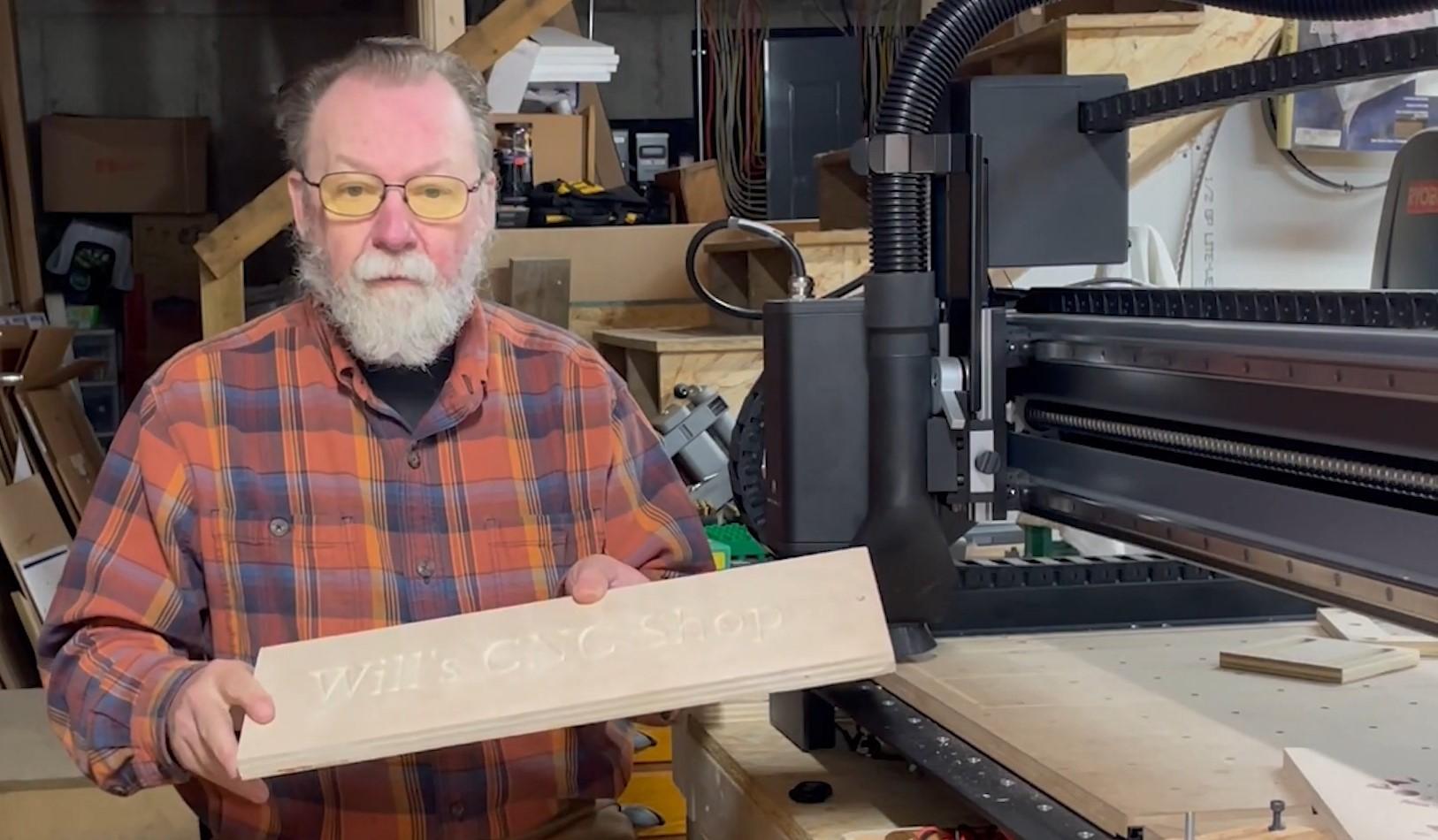
Take me: I’m a walking anachronism. I embrace and occasionally teach primitive skills such as traditional archery, blacksmithing, and hand-tool woodworking joinery. But I also have a CNC router in my woodworking shop and love what it can do. As a writer, I started out professionally using a manual typewriter, and I still own one, but I’ve written way more words on a computer keyboard, including this essay.
My friends know I regularly invoke the image of the Terminator’s Skynet of machines taking over the world whenever something goes wrong with technology. But are machines and computers really the enemy?
The key has to be in how we see and use technology. Is it a tool or a crutch? We recently had a headline for a story that just wasn’t working. I was at a loss for the moment to think of a better headline. We put the story and a prompt into an AI chatbot that immediately came up with all sorts of suggestions. I thought they were all flawed, but the process helped unlock my brain to think of a better solution.
Early in my journalistic career, I worked in mostly open format newspaper newsrooms. No cubicles. No walls. Just a big room with a bunch of people typing and talking. If you had a question or got hung up on something, there were always people within earshot who could offer suggestions. You rarely took a suggestion verbatim, but it often unlocked new ideas. The new AI chatbots can be used that way.
In the shop, automated equipment can speed flow in production, improve quality, and even open up new opportunities. But it still takes smart thinking — human thinking — to integrate all of that. Adding technology might solve one problem but create new ones. Embracing that and figuring out how to make the most of it is predominantly a human-centered task. It touches on factory layouts, material handling, order of operations, human resources, and sifting through a thousand variables at once to come up with a workable plan, put it to work, then re-evaluate and improve it.
I’m not really worried about the machines taking over the world, but I am worried about people who blindly embrace technology as a substitute for human intelligence. If there is a contest between John Henry and the steam hammer, I’m still going to root for John Henry, but the management side of my brain will be thinking about how I can best use the skills of both John Henry and the steam hammer to do what neither of them could do by themselves.



Have something to say? Share your thoughts with us in the comments below.