

Have your tooling costs been rising? If so, you are not alone.
Why? Because one of the most important materials in modern machining has become multiple times more expensive. The material is tungsten carbide, and it is used in almost every high-performance cutting tool on the planet, including the woodworking industry.
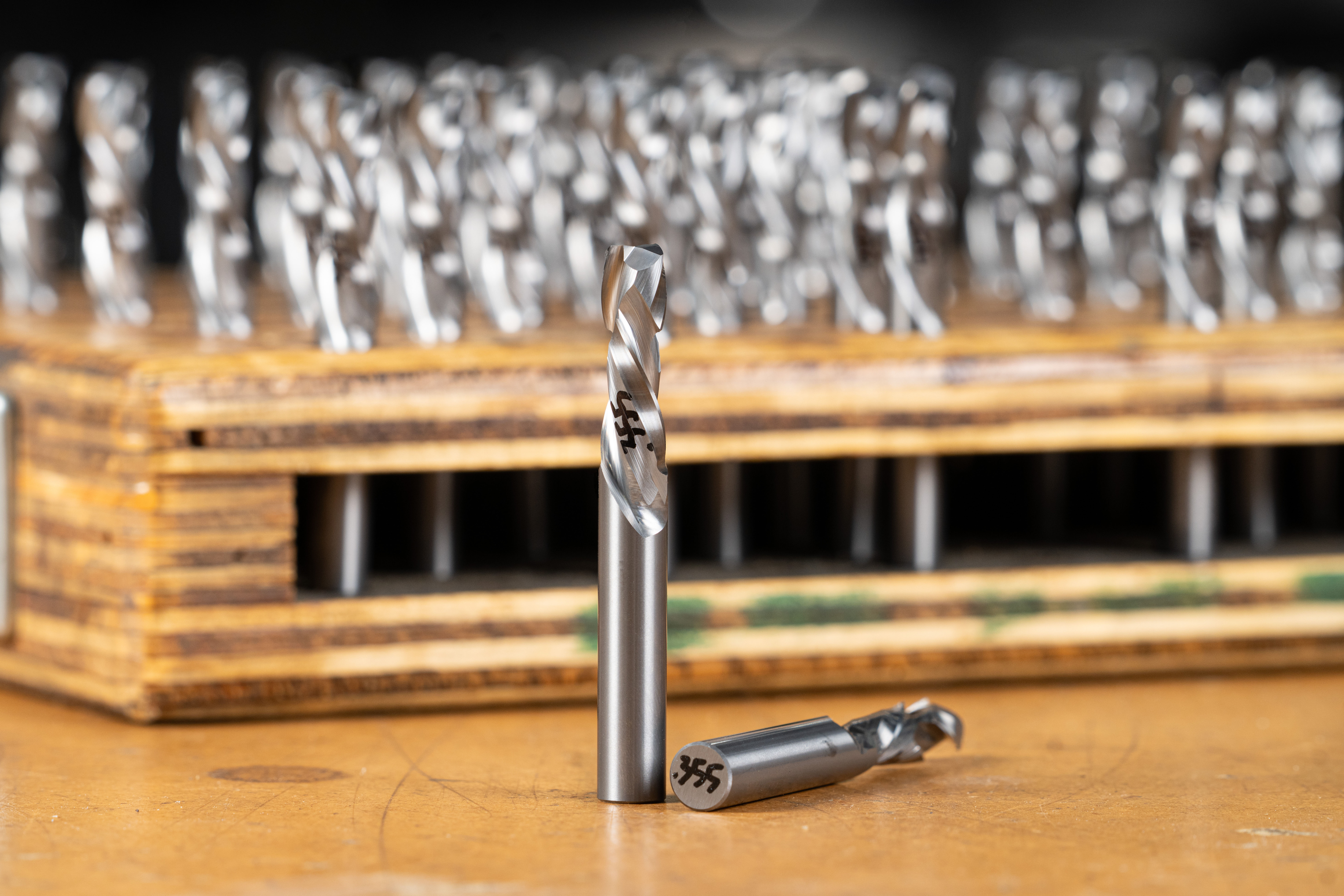
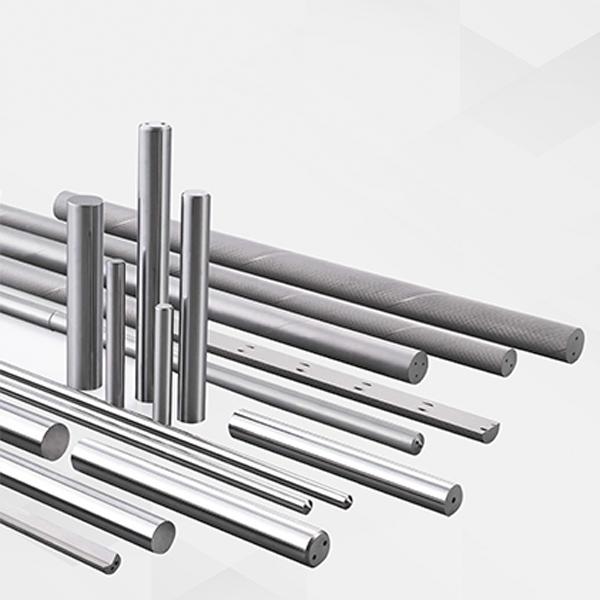
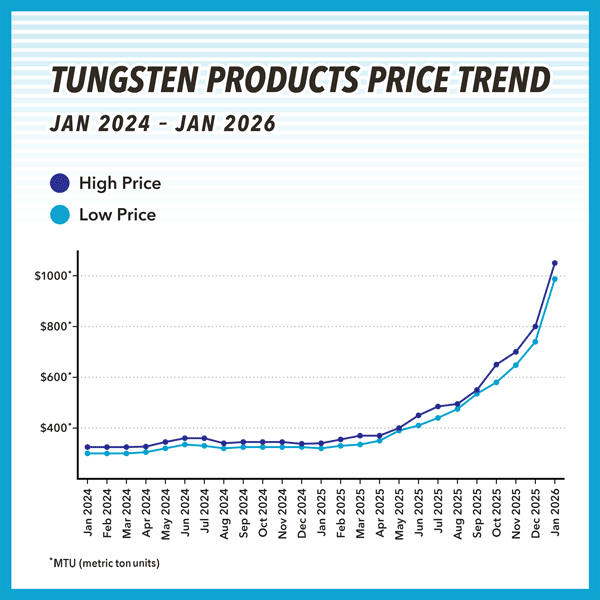
The cost for carbide rods, the cylindrical blanks made from tungsten carbide (and a binder such as cobalt) that are used to manufacture cutting tools such as end mills, drills, and reamers, have risen by about 80% year-over-year and raw material prices have jumped nearly 200% since early 2024.
Key drivers of price escalation include Chinese export restrictions, high demand, and surging cobalt/tungsten costs, according to Peter Zelinkski, an industry analyst and author of The Zelinkski Report.
Today, China accounts more than 80% of the world's mined tungsten and processed ammonium paratungstate (APT), the intermediate form used to make carbide powder, and with that dominance, they were able to set the global price. Initially, the price was set low to make it difficult for other countries to compete on price.
Then, in 2025, China began tightening production and restricting the amount of exports. At the same time, demand across many industries was growing, said Brian Falk, director of business strategy, Scientific Cutting Tools. Electric vehicles required tungsten carbide tooling to machine their components. Aerospace, oil and gas, defense, these sectors weren't slowing down, they were accelerating.
Defense spending, and its need for tungsten carbide for use in munitions as well as cutting tools, has dramatically risen with the war in Iran and plans to increase production. The United States defense industry is experiencing a surge in tungsten carbide spending, and the Pentagon has planned a $1 billion push on critical minerals, with tungsten being a primary focus.
As demand increases, and supply is curtailed, prices are expected to grow.
Why is it used
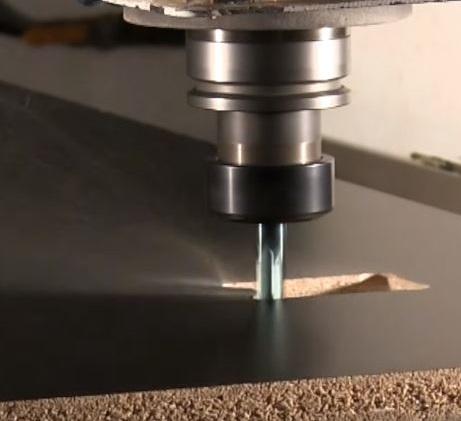
Tungsten carbide is used for cutting tools due to its extreme hardness that approaches diamond, high thermal resistance, and superior wear resistance. It maintains a sharp edge at high temperatures, allowing for faster machining speeds and significantly longer tool life compared to steel.
Tungsten carbide particles, combined with a cobalt binder, create a material that is stiffer and harder than steel, ideal for cutting, drilling, and milling hard materials. According to California Nanotechnologies, these tools significantly reduce downtime and costs. They can withstand high temperatures without losing its hardness or deforming, a critical feature for high-speed machining. Carbide tools operate at much higher speeds than high-speed steel, reducing production time and due to its stiffness, it offers high precision, resulting in better surface finishes and reduced need for secondary finishing operations.
Other options
With the increase in prices, other options are becoming more attractive. PCD and CBN tools, for example, are becoming more affordable. PCD (Polycrystalline Diamond) tools are ideal for high-volume, abrasive woodworking (MDF, particleboard, laminates). [CBN (Cubic Boron Nitride) tools] are generally suited for hardened ferrous metals, not typically for wood, although they share similar wear-resistance properties.
According to a sales manager at Shenzhen Jinshi Ultra Precision Technology Co., Ltd., Huizhou City, Guangdong, China, the original PCD and CBN standard inserts are 5-10 times the unit price of carbide inserts. After the price increase of carbide, the current PCD and CBN inserts are only 2-4 times, but their lifespan is 5-10 times longer, and their efficiency is also 3-5 times higher.
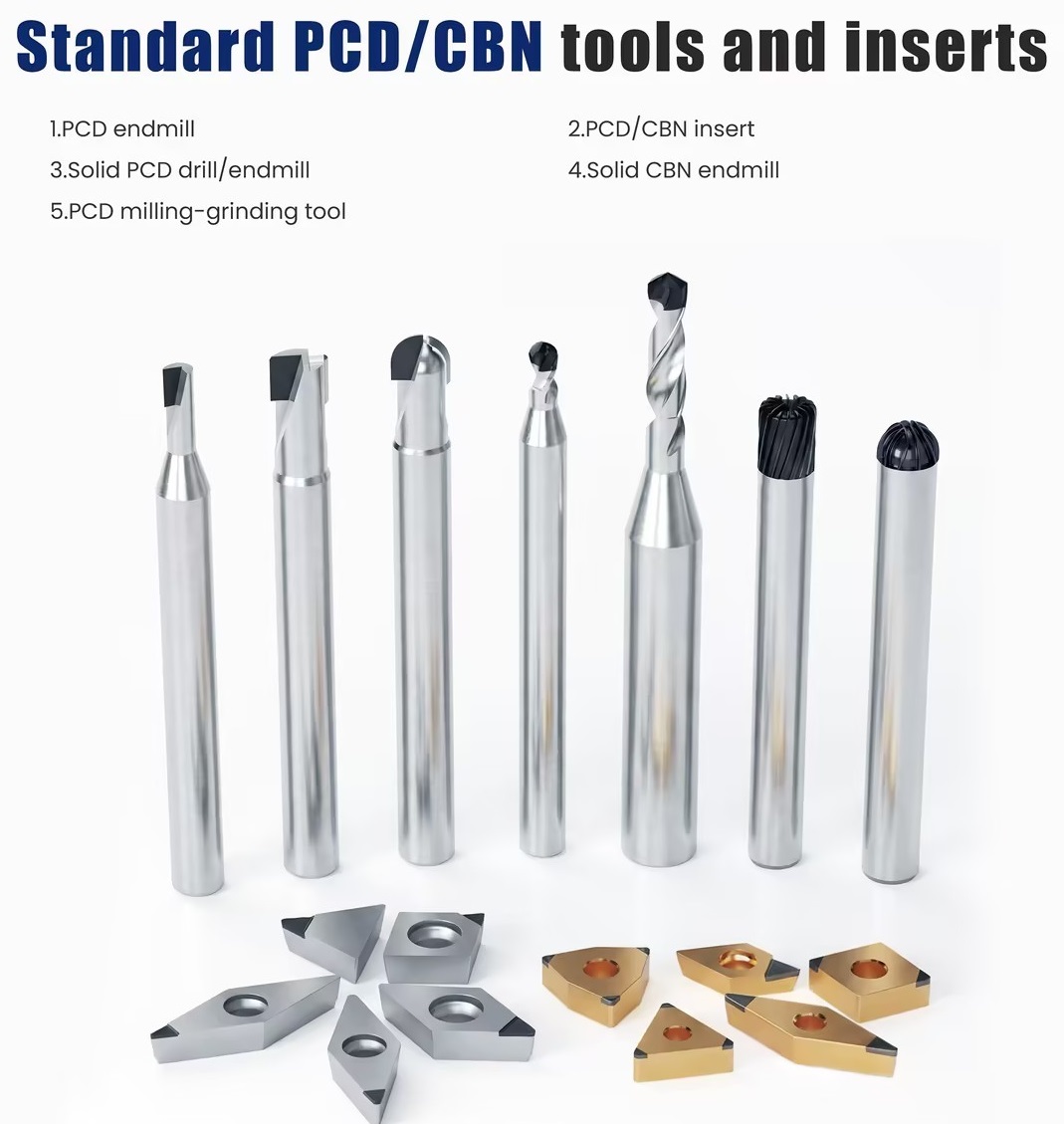
If the rising price for tungsten carbide rod continues, will exotic tool materials become less exotic relative to tungsten carbide’s widespread use? Zelinkski points to Cermet tooling, which he said is a not a replacement for carbide in general, but can be a replacement in some cases.
Cermet is a composite material consisting of ceramic (cer) and metallic (met) materials, engineered to combine the high temperature resistance and hardness of ceramics with the toughness and ductility of metals. According to CarbideProcessors.com, Cermet-tipped saw blades can be used for woodworking and offer exceptional performance, often cutting smoother, cooler, and lasting longer than traditional tungsten carbide blades. They are highly effective for clean, precise cuts in solid wood, laminates, and melamine.




Have something to say? Share your thoughts with us in the comments below.