

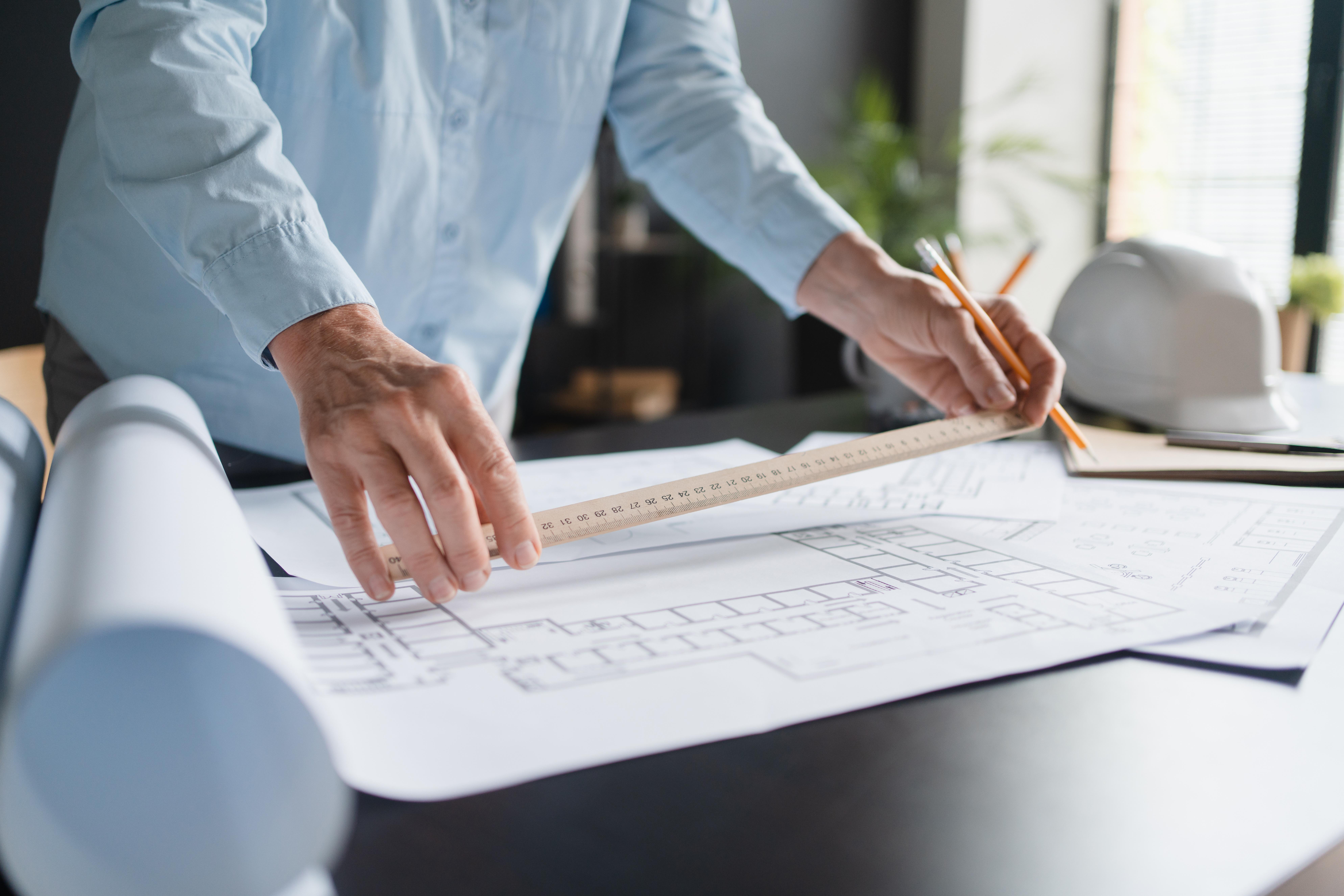
Bad estimates will certainly create bad pricing, and there are a lot of things you can do to avoid bad estimates. But sometimes a bad estimate isn’t even your fault. I got an email from an estimator in Minnesota who raises an all-too-common problem with pricing.
“The quality of information provided by architects and designers has become increasingly inadequate. We are bombarded by TBD, For Design Intent Only, Not for Construction, etc. I have been in this industry for almost 32 years, and over the last decade the quality of bid documents has become so substandard that I struggle through almost everything that I look at. The result? Almost everything we price is, ‘Budget priced pending actual details and specifications.’
“Anyone can price a project when the details and specs are clearly stated, and yes, you will still have varying results. Unfortunately, however, that is not what typically comes across my desk. As millworkers, we are held to standards by the architects and designers, such as AWI, FSC, LEED, etc. Where are their standards? They don’t have any.”
I know there are architects and designers who work hard to create detailed plans and proposals, but I constantly hear tales of woe like this from cabinet shops and architectural millwork firms who struggle with outdated and inadequate specifications while trying to work up estimates. What can you do?
Two-pronged approach
To eliminate bad estimates, you have to address the problem two ways, in house and out of house. First, get your own house in order. Address the key issues that are the cause of most bad estimates.
Bad material estimates: With economic uncertainties and nagging inflation, material costs are constantly in flux. It’s easy to get lazy and not track increases for materials and supplies. Those higher costs won’t go away. They will steal your profit if you don’t take the time to update to the best current cost data you can find. Yes, it takes more time. It also keeps you from losing money.
Bad labor estimates: You absolutely need to base all time estimates on the firm foundation of historical data. If you aren’t religiously tracking the real time your production takes, you are bound to underestimate the time required for every job. I recommend a two-tier tracking plan. Track all processes in your shop. How long does it take to cut a sheet of material on the CNC or break up a sheet on a table saw or panel saw? How long does it take to assemble each box? How long does finishing take? How long does installation take? Then, once you have this generic data, you need to apply the same questions specifically to every job, so each job has its own historical data. Besides helping you with costing, this allows you to track exactly where a job goes off the rails, if it does.
Accounting for extras: It’s hard to anticipate surprises, so use experience to predict them. How far away from the shop is the job? Are there job site access issues like an urban apartment project? Does the job require any special equipment or assembly procedures? Does it involve irregular or curved work? Is the customer a challenge to work with? All of these things can add to costs. Anticipate them or pay for them.
Controlling outside influences
Getting back to the estimator’s lament about poor information from designers and architects, I know many shops have just thrown up their hands in disgust. They figure it’s just part of the job these days. Maybe they arbitrarily add some percentage to cover those things. That’s still not reliable protection against losing money.
The first step is to push back and work more closely with the architect or designer. Confront them with the problems and try to get their cooperation to improve the data. This is especially important if you expect to work with these people again. They need to understand the problems their information causes.
OK, I know, some of you are laughing and saying that’s a waste of time. You’ll still get bad and incomplete proposals over and over again. I get it, but you can’t ignore this. Their lack is costing you. Specifically call out errors and omissions. Schedule meetings to confront them. Treat these things the same way a customer would confront you with a punch list before paying for a job.
It also helps to get involved with these people at social and association levels. Addressing the issues in the context of professional organizations may help to make it more uncomfortable for them to provide inadequate proposals. They must understand that a true professional tends to the details. You are being the true professional by insisting they do their part to provide what you need to do your best work.
Saying no
In extreme cases, you might need to resort to your ultimate superpower, the ability to say no. Once you realistically know all your costs based on historical data, once you have anticipated to the best of your ability all the potential additional cost factors, if you can’t make money on the job, you have to turn it down.
This also goes for a proposal that has too many unknowns. Even if you fill in all the blanks with your best-guess numbers, it’s not going to be good enough. Turn down the job until there are answers to all the questions. Go look for a better job.
Keeping everyone honest
Even if you do get answers to all your proposal questions, there can be misunderstandings and other issues that tear up your careful estimate.
Contracts: You need to start with a good contract for every job that protects you and clearly spells out your obligations as well as the obligations of the customer. This includes payment terms, quality issues, and provisions for approvals, sign-offs, and changes.
Checkpoints: Many shops use approval checkpoints to ensure everyone understands every part of the job. A particular problem area is finishing. I know shops that have a customer sign a sample finished cabinet door, then saw the door in half, each of you taking half. This also helps when lighting in the job site makes the color they loved in your shop look different to them.
Communication: Always shape customer expectations with maximum communication. Keep them informed, especially when there might be bad news. The sooner they hear from you, the more comfortable they become that you are handling the problem.
What’s vexing you in pricing your work? Let’s talk about it. Email me at [email protected] or phone 203-512-5661.




Have something to say? Share your thoughts with us in the comments below.