

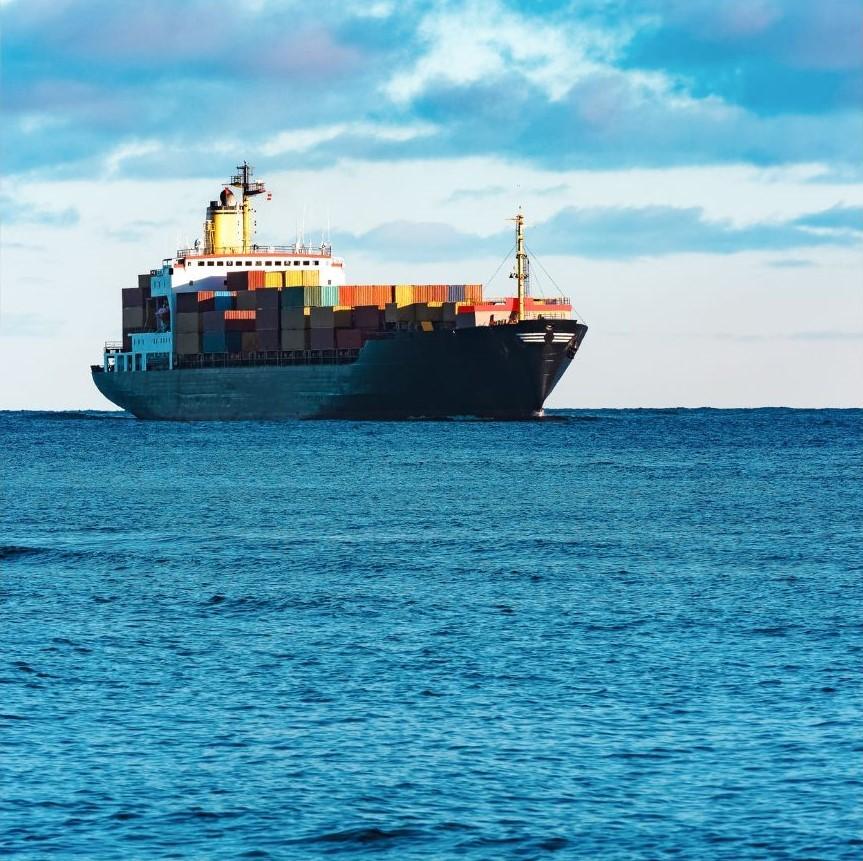
As of April 25, 2025, global trade tensions have intensified. The U.S. has introduced a new wave of tariffs on Chinese imports, and retaliatory measures are already underway. For manufacturers and suppliers, especially those in the wood products sector, this is a moment of renewed uncertainty.
Many in the industry remember the previous trade disruptions, but this time, the environment is more complex. The global supply chain is still recovering from recent years of volatility, and any additional pressure could impact everything from pricing to production timelines.
Rethinking global sourcing in a high-tariff environment
While much of the public conversation around tariffs tends to split along ideological lines, for businesses in manufacturing, the core concern is operational. The goal isn’t about taking sides—it’s about maintaining supply chain resilience and cost stability in a fast-changing environment.
Some companies manage this by re-shoring production; others double down on overseas sourcing. Many are doing both. Diversified supply strategies that include both domestic and international production—are increasingly common, and they reflect a practical response to global volatility.

As Nathan Klomp, president of Specified Components Company (SCC), said, "Building redundancy into your supply chain isn’t just about efficiency—it’s about ensuring stability and reliability for our customers.”
Practical diversification: What it looks like
Rather than relying heavily on one country or region, some manufacturers now source from a mix of U.S., North American, and international partners. This geo-diverse approach includes countries like Mexico, Vietnam, Malaysia, Latvia, and Italy, among others.
This strategy offers several advantages:
- It reduces exposure to region-specific disruptions (such as tariffs or political instability)
- It improves flexibility and continuity in production
- It enables companies to manage lead times and pricing with greater predictability
Quality, however, remains the linchpin. As Scott Foll, SCC’s Global Quality and Regulatory Manager, noted, “Diversification only works if you maintain quality and compliance everywhere. That means staying hands-on, setting clear standards, and keeping strong supplier relationships. These days, you can’t just assume — you have to do the work and verify.”
The broader economic picture: Inflation and affordability
The ripple effects of trade policy aren’t limited to sourcing. Tariffs can drive up landed costs, slow production, and contribute to inflation, especially in industries dependent on imported materials or components.
Tariffs can also slow investment in innovation, as companies divert capital toward covering cost increases instead of expanding capabilities or entering new markets. On the grounds, that can translate to delayed hiring, postponed equipment upgrades, or reduced overtime—choices that ripple across operations and affect long-term growth.
When prices rise too quickly, demand can fall. That affects not only consumer purchasing but also employment, reinvestment, and long-term industry stability. Clear, consistent trade policy is essential to avoid unintended economic consequences.
“The central issue keeping U.S. homebuilding volume low, despite a vastly undersupplied market, is affordability for the consumer. We must keep material prices low to bring more homebuyers back into the market,” Klomp explained.
For many in the industry, the hope is for policies that support fair trade without triggering prolonged disruption. In the meantime, adaptability is key.
Building resilience through relationships

Supply chain diversification is often discussed in terms of logistics and geography. But the human side of supply chains—trust, collaboration, and long-term partnerships—is just as important.
In practice, that means regular site visits, pre-shipment inspections, and ongoing communication with suppliers, whether they’re based in Indiana or Southeast Asia.
Companies that invest in these relationships are better positioned to handle sudden changes—because they understand their supply networks more deeply. For example, during the COVID-19 pandemic, companies with long-term supplier partnerships were often able to reroute shipments or adjust production faster than those relying on transactional or one-off contracts.
Preparing without panicking
No one can say for sure how long this current trade conflict will last or what its next phase might bring. Companies that focus on transparency, balance, and strong sourcing practices are likely to weather the storm more effectively.
Key takeaways for navigating trade disruptions:
- Diversify sourcing to reduce risk
- Prioritize consistent quality across all suppliers
- Monitor economic shifts and tariff changes closely
- Communicate openly with customers and partners
In a world where global trade is increasingly complex, preparation—not panic—is what keeps production moving. Smart companies know resilience is built before the storm hits.
Christen M. Dominguez is the marketing and customer success manager for Specified Components. For more information, email [email protected], [email protected] or phone 847-625-1600.


Have something to say? Share your thoughts with us in the comments below.