

Finishing may be the most dynamic segment of the woodworking industry, where shifting design preferences intersect with rapid advancements in sanding, coating, and application technology. As automation, application technologies, and surface preparations evolve, the processes behind the finish are becoming more efficient, precise, and integrated. Here’s how these forces are shaping the latest finishing trends.
Automation
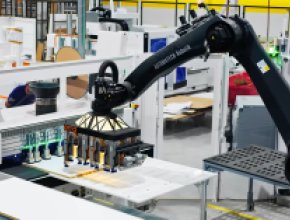
Finishing is becoming more streamlined and automated as machine manufacturers deliver a hands-off approach. Automated machines provide an effective way to ensure consistency in coating and sanding materials.
Recently, SCM Group and Grizzly Industrial released automated sanding machines:
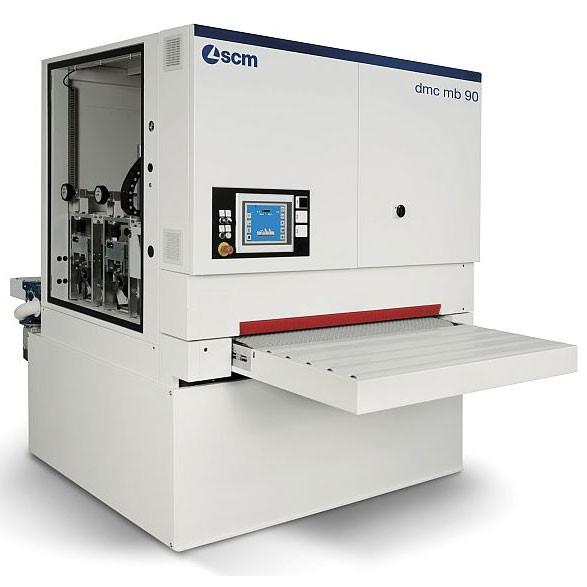
SCM’s machine is a brushing roller unit that is equipped with an innovative system for the twist inclination adjustment and the side oscillating movement of the brushing roller, which the company says guarantees a top-class and uniform sanding quality on all parts of the panel. The side oscillating movement and a double raw counter-rotating discs structure makes it possible to effectively round the sharp edges and reach inaccessible areas on profiled panels.
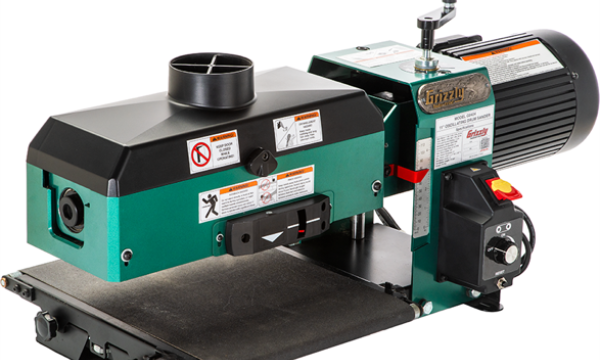
This oscillating drum sander by Grizzly is a compact solution that gives hobbyists and small-shop woodworkers sanding results on workpieces up to 22" wide. With oscillating and non-oscillating modes, a 1 HP motor, and an open-end design, the G0404 delivers premium finishes without the footprint or cost of a full-sized drum sander. It’s ideal for cabinet doors, furniture parts, and creative projects that demand smooth, consistent results.
Finishing applications
Smaller shops usually don’t have the space to house these machines; some companies even prefer portable and up-close approaches to applying coatings.
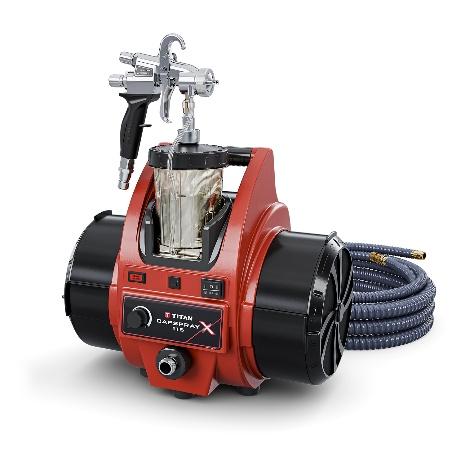
Spray at any angle, even upside down for those hard-to-reach areas with Titan Tool’s Capspray X HVLP Series. The system also incorporates compressible lids and liners that help reduce material waste while streamlining workflow. By simplifying color changes and easing end-of-day cleanup, the design reflects a broader industry push toward more efficient, lower-mess finishing processes that minimize downtime between jobs.
Alongside HVLP systems, spray gun design is also evolving to enhance ergonomics and long-term usability.
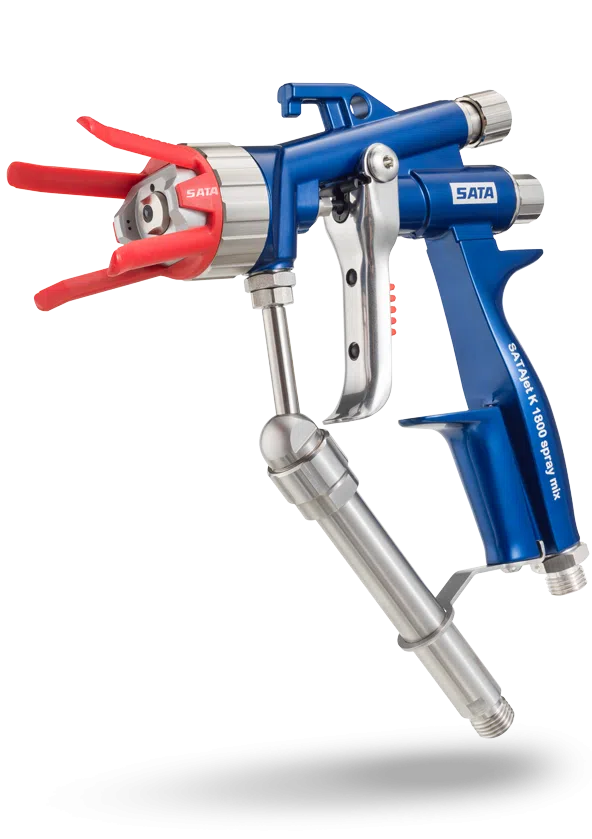
The SATAjet K 1800 spray mix spray gun is perfectly suited for woodworking and the application of large surfaces. Its lightweight construction helps reduce operator fatigue during extended use, supporting more consistent application over longer production runs. The design reflects ongoing advancements in spray technology aimed at improving comfort and control without compromising performance.
Surface preparation advancements
From CNC-integrated sanding tools to high-performance abrasives, surface preparation is getting a technology-driven upgrade.
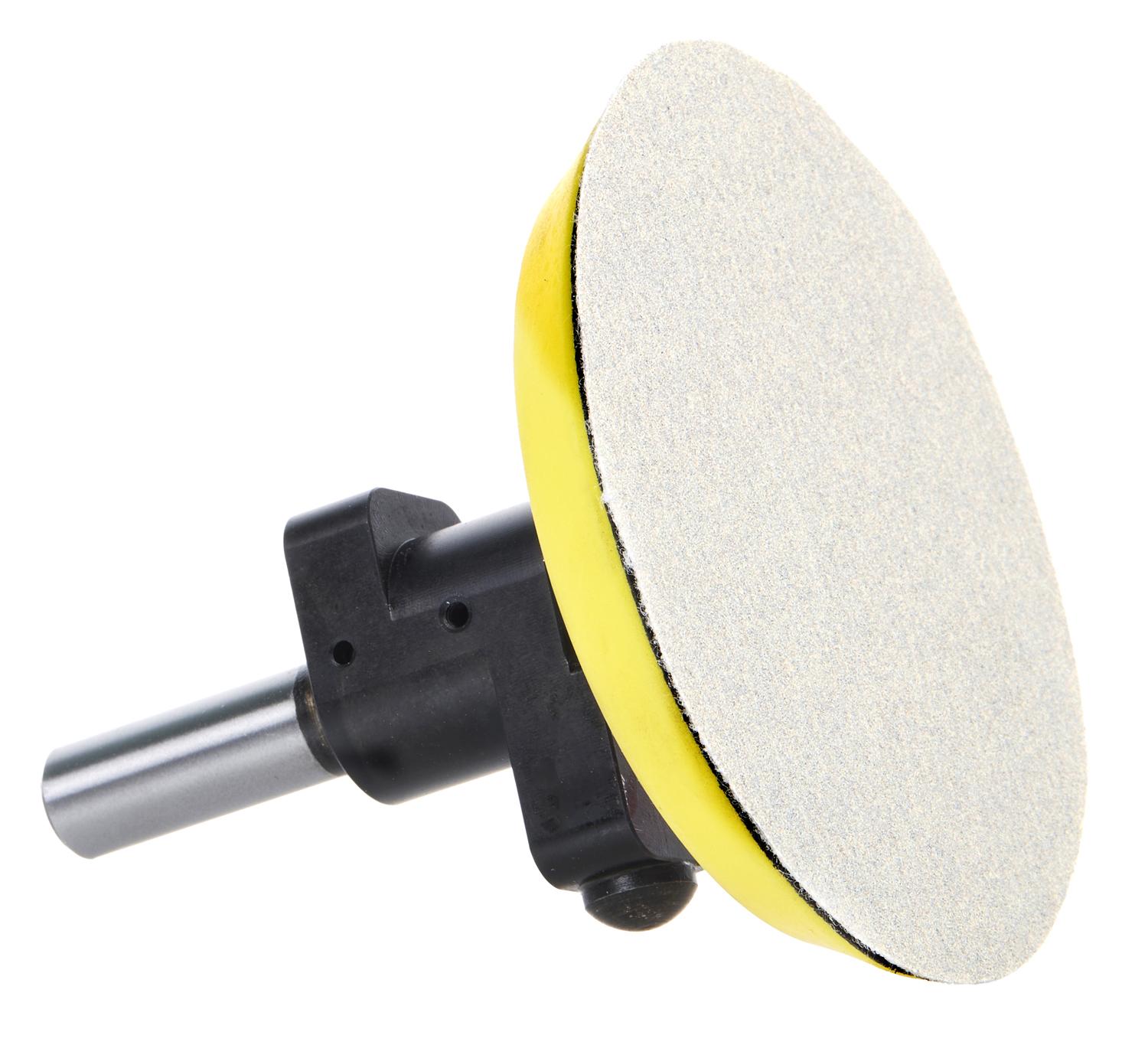
Amana Tool's CNC sander is a precision-engineered, non-random orbital CNC sanding tool designed for sanding wood and resin surfaces. It features a 1/2" shank, making it compatible with many CNC machines. The sander is dynamically balanced to ensure smooth operation and reduce vibration during use, the company adds.
At the same time, innovations in abrasives are pushing performance even further, delivering smoother finishes and end-products.
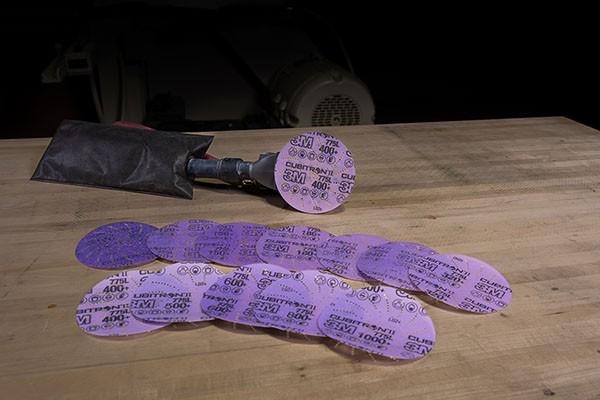
3M Xtract Cubitron II Film Disc 775L features precision shaped ceramic grain, an advancement in abrasive technology now available to grade 1000+ and virtually dust-free. The triangular shaped ceramic mineral is designed to slice through the substrate, rather than gouging, resulting in a disc that cuts up to 2x as fast and lasts up to 6x as long as conventional abrasives without compromising finish, the company states.
Together, these advancements point to a broader shift: sanding and finishing are no longer isolated steps, but increasingly integrated, technology-driven processes. As automation, dust control, and coating performance continue to improve, manufacturers are gaining new opportunities to boost throughput, enhance finish quality, and create safer, more sustainable production environments.


Have something to say? Share your thoughts with us in the comments below.