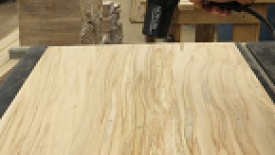
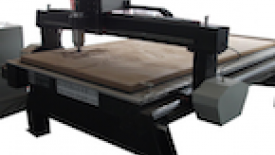
Whether vertical or horizontal configurations, CNC machining centers and routers are fast becoming a necessary workhorse in wood shops of all sizes. Listed are some of the woodworking machines available in the marketplace.
The 2015 Cabinets & Closets Conference and Expo is shaping up to be the biggest — and liveliest — edition of the show with bigger booths, more education and much more.
Remember, wood moves and changes size all of the time. It is your job as a woodworker to understand how these changes happen, how to prepare for them and how to control them. And, luckily, in the case of wide wood, you may even have the chance to correct them.
Now, let’s say your panels developed a cup in them. They were planed and sanded flat and ready to be put into the door frame before you left the shop, but when you returned the next morning they had a noticeable rock. What options do you have?
Today, in part 2 of this series, I will look at some additional features that are offered and decide whether they are necessary, worth the cost, or are just over-complicating my decision making process.
Quartersawn lumber stays flat, but flatsawn lumber does not (ironic, I know). Flatsawn lumber cups during the drying process and it even cups after it’s dry if not cared for properly. Today, we'll look at ways to avoid and deal with this issue.
In my first post a few months ago, I mentioned how my company was considering adding a CNC machine to the shop.Today, I want to discuss what my business is looking to get out of a CNC machine and how those needs translate into actual machine specs.
By the time I routed the profile along the edge, I saw a knot would be visible on the finished project. So here's a fix you can try when you encounter a board like that.
Like most woodworkers, I've used the old recipe of mixing sawdust with glue, using the fine dust from my random orbital sander. But one problem with mixing with glue is that it’s hard to sand.