

Closets that only serve a functional purpose are giving way to elevated sanctuaries that occupants can escape into. Designers are fielding requests that reflect the homeowner’s lifestyle, with high-end details to create a dream space.
“Clients want their closet to feel like a retreat – somewhere they actually enjoy spending time,” explained Angelina Miller, senior designer with Closet Factory Fort Lauderdale. “The goal is a space that feels calm, private, and elevated.”
According to the “Luxury Closet System Market Research Report 2033,” the high-end closet industry is forecasted to reach $8.7 billion globally in 2033, more than double the 2024 valuation of $4.2 billion, with North America holding nearly 40 percent of the market.
Now is the time to evaluate how to bring boutique details into a closet. Consider upscale features such as premium finishes, high-end materials, sophisticated lighting, hidden technology, and bespoke millwork. (Read about material specifications in “Trends in high-end closet design”).
Details that create an experience
New Jersey-based designer Wendy Scott, owner of Timeless Closets & Cabinetry, is being asked for “dark and moody” for him, and “elevated white” personal spaces for her.
For Miller, clients are requesting spaces that go beyond function alone, with details that create an experience through lighting, layout, and feel for a space that feels like a boutique dressing room with a relaxed, luxury vibe.
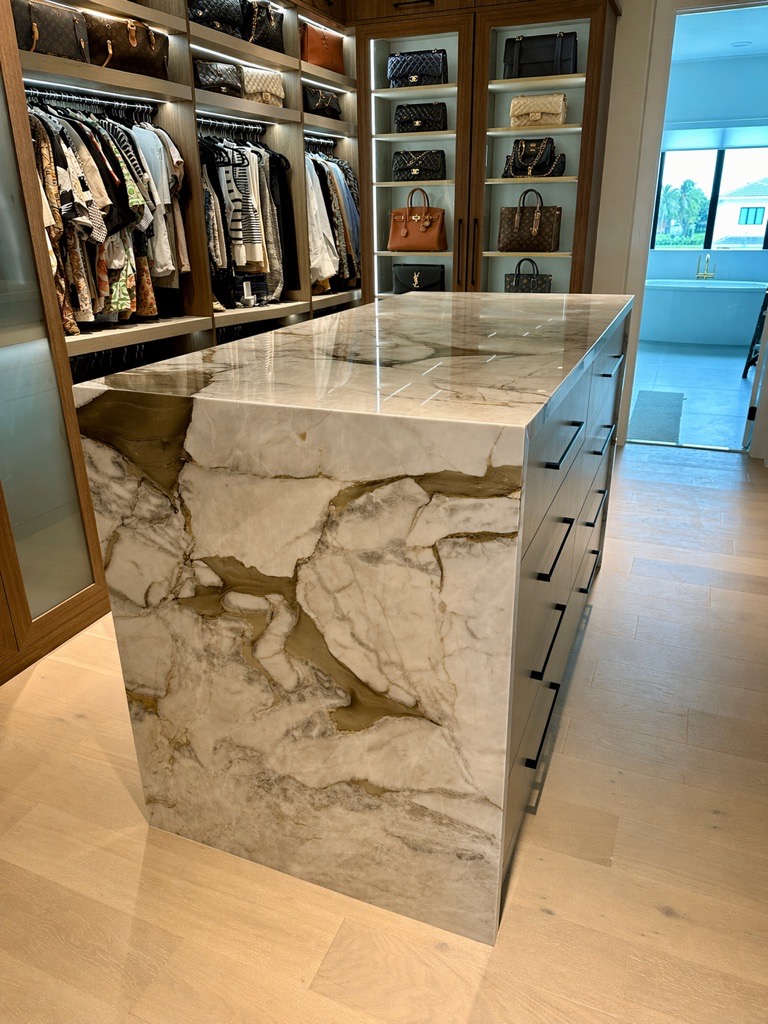
In markets like Palm Beach and around New York City, which the two serve, clients are heavily influenced by luxury retail, travel, and editorial design, Miller explained.
“They’re drawn to spaces that feel layered, curated, and collected – similar to what they see in boutique stores and designer showrooms,” she noted. “I’m frequently asked to design closets inspired by the Tom Ford retail aesthetic: Rich, moody tones, clean lines, and a very tailored...feel.”
The details, materials, and level of customization in a closet is what sets apart an elevated, high-end experience from a builder-grade space.
“I design every detail around how the client actually lives. It’s not just about adding features, but tailoring so the space feels intentional and personal,” Miller said. “The most luxurious closets today aren’t the biggest; they’re the most thoughtfully designed.”
Creating a timeless look
Both designers cite lighting as one of top considerations for a personal space. For Miller, it’s always the starting point – “it sets the entire mood of the space.”
Lighting is being incorporated into high-end luxury closet spaces a variety of ways, including: 1) Back-of-cabinet highlighting, rather than front or top-down spotlights; 2) Under-cabinet lighting in toe kick areas; 3) Integrated and concealed; 4) Embedded directly into millwork and surfaces; and 5) How lights function from a technology standpoint.
Next, both designers encourage surfaces that make sense for the overall feel of the space, but also their job within. Finishes that both cite as popular now include metal, glass – including frosted and tinted, premium hardwoods, engineered wood and sustainable materials, linen, leather, and natural stone.
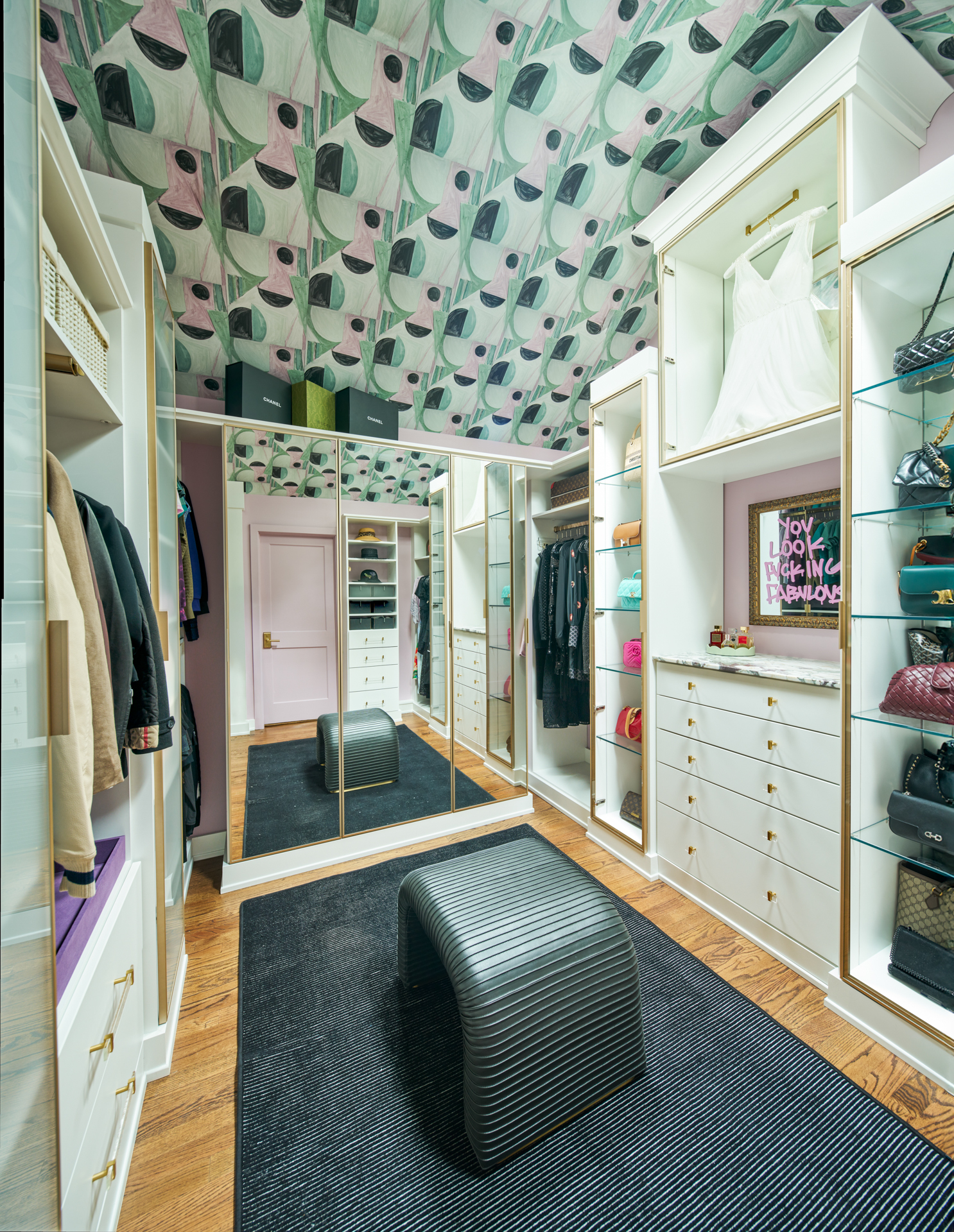
Scott sees European-style design, one that emphasizes timeless elegance and quality, as becoming more requested. “High-end needs to look glamorous, and these elements come with the higher price tag.”
Curating memories and moments
The key to a luxury space is understanding how a client wants to spend time there and what makes them happy. Miller and Scott are both seeing upgraded closets, devoting space to areas for vanities, islands, built-in steam units, or even drybars.
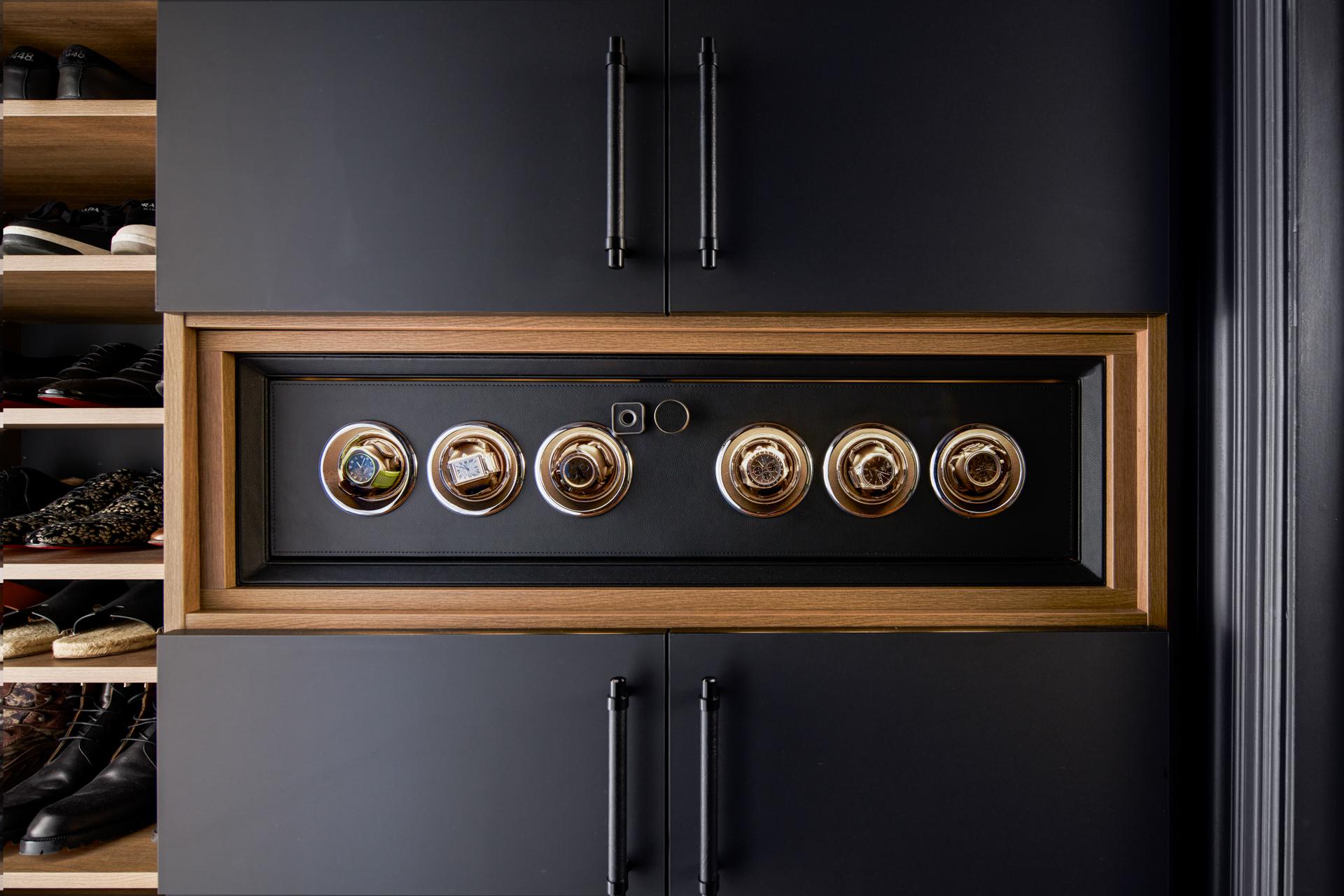
Scott had a couple who wanted to highlight their collections. What set them apart, she explained, was the focus on smaller nooks that featured special elements. His closet was built around a custom Louis Vuitton Stormtrooper helmet and includes custom leather countertops and leather-wrapped handles. His built-in watch winders are in leather. For her, Scott had a high cabinet created that displays her wedding dress.
Miller approaches each project as a curated display, where not everything needs to be seen. “Highlight the most beautiful pieces – handbags, shoes, or accessories – and conceal the rest,” she says. “A mix of open and closed storage keeps the space feeling polished and calm.”
Chasing trends will quickly date a space, as will color, Scott cautioned. Keeping a layout that works for the client and highlights them is a better long-term investment. “A closet should feel relevant long-term, not tied to a moment, Miller added. “Spaces should elevate their daily routine, not just store their wardrobe. You start and end your day in the closet. It should be a pleasurable experience.”



Have something to say? Share your thoughts with us in the comments below.