

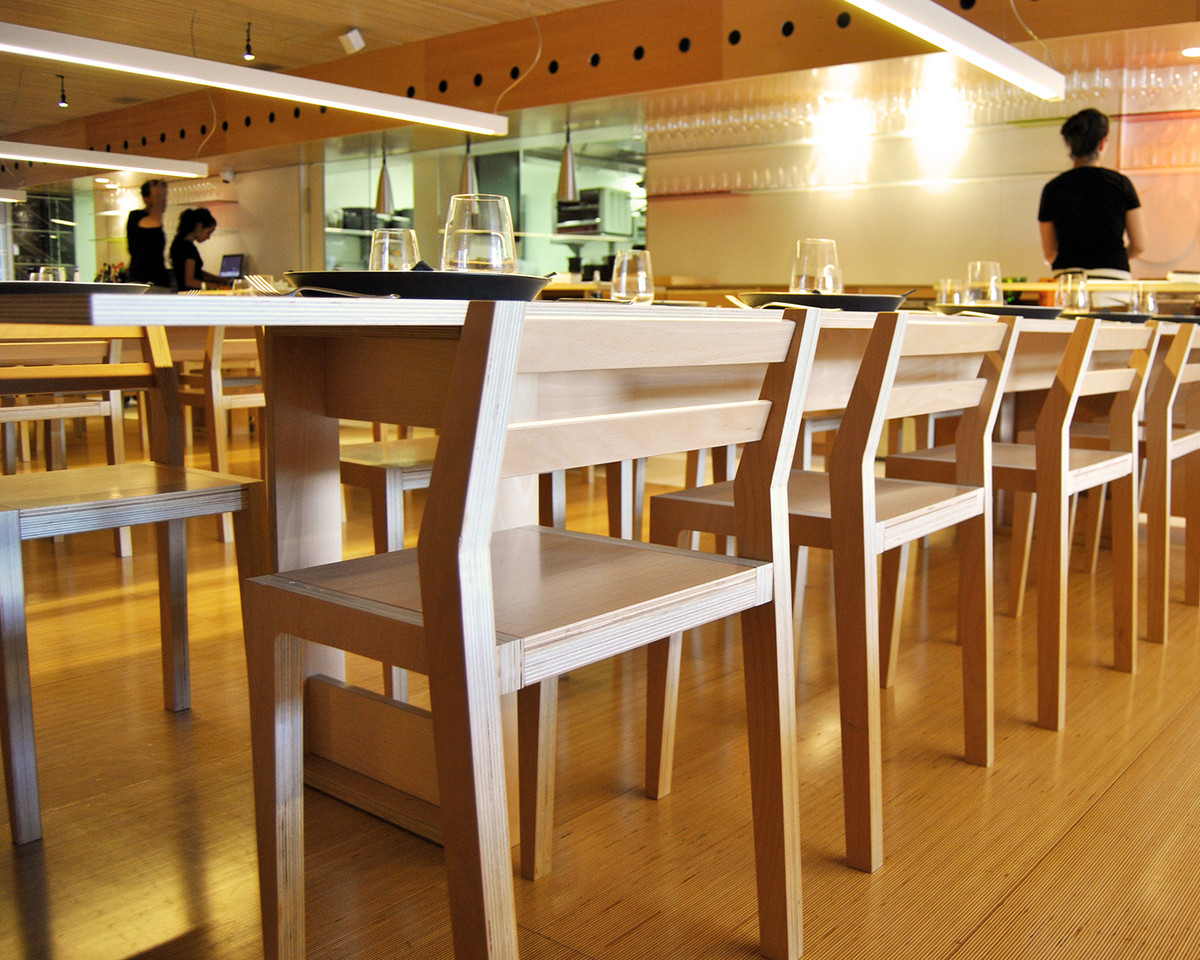
RALEIGH, N.C. — Plywood has long been regarded as a simple, utilitarian building material — valued for its strength and affordability, but often overlooked as a driver of innovation. Now, that perception is rapidly changing. Around the world, engineered wood manufacturers are transforming plywood into a high-performance, design-forward material capable of meeting today’s most demanding construction standards.
One of the most prominent trends shaping the materials sector today is functional performance — products that do more than look good. Architects and builders are seeking solutions that combine durability, safety, and sustainability without compromise. As a result, the market for treated and modified wood products is expanding, with growing emphasis on fire safety, moisture protection, and extended lifespan.
In fact, many experts view these performance-driven materials as essential to sustainable design. The longer a product lasts, the lower its environmental impact over time — and that connection between durability and sustainability is driving a new wave of innovation.
“We’re seeing a clear shift in expectations from the design and construction community,” says Brian Wrike, VP of Sales, North America at Garnica. “People aren’t just considering wood for its beauty anymore; they’re looking at how it performs in real-world conditions. Fire protection, moisture resistance, structural stability — these characteristics are now baseline requirements for building projects, and it’s reshaping what modern plywood needs to deliver.”
Advanced treatment technologies are making plywood more resilient and versatile than ever before. Unlike traditional coatings or laminates that offer surface-level protection, new processes modify the wood at its core, ensuring long-term performance even after cutting or machining.
Garnica, for example, has been developing a range of high-performance plywood panels that illustrate where the industry is heading.
• Fireshield brings the highest levels of fire protection to interior applications, holding ASTM E-84 Class A, CAN/ULC S102-10, and Euroclass B-s1,d0 ratings — the top certifications in North America and Europe. Unlike traditional fire-retardant coatings, Fireshield veneers undergo an innovative full-panel treatment that provides 100% of the panel with exceptional resistance to fire.
• Duraply, a panel designed specifically for outdoor use also undergoes an innovative treatment to make it exceptionally resistant against fungi, insects, and delamination, even in harsh or humid environments. The panel’s stability and lightweight construction make it ideal for façades, outdoor structures, and architectural detailing where longevity is key.
Both of these plywood ranges retain their respective fire and weather resistant qualities even after machining.
As building codes evolve and the construction industry faces mounting climate pressures, performance-enhancing treatments are becoming a necessity rather than an upgrade. Manufacturers are focusing on maximizing the life cycle of wood-based materials, reducing waste, and ensuring traceability through responsible sourcing.
At the same time, designers are increasingly turning to natural materials that align with biophilic design principles — where wood’s warmth and authenticity contribute to both environmental and human well-being. Advanced plywood treatments allow them to use these materials in new contexts: humid environments, outdoor spaces, and high-traffic interiors where they weren’t previously practical.
Plywood’s evolution reflects a larger trend toward smarter, more sustainable construction. By combining traditional craftsmanship with modern technology, today’s manufacturers are proving that even the most familiar materials can evolve to meet the challenges of contemporary design — from safety and performance to sustainability and style.
The next generation of plywood isn’t just stronger; it’s smarter, more responsible, and poised to play a pivotal role in the buildings of the future.
To learn more, visit garnica.one/en-us.



Have something to say? Share your thoughts with us in the comments below.