

VANCOUVER, Wash. — Recent testing of fire-retardant treated wood (FRTW) by the Western Wood Preservers Institute (WWPI) finds that some manufacturers are offering unproven lower-cost alternatives that do not stand up to fire test standards.
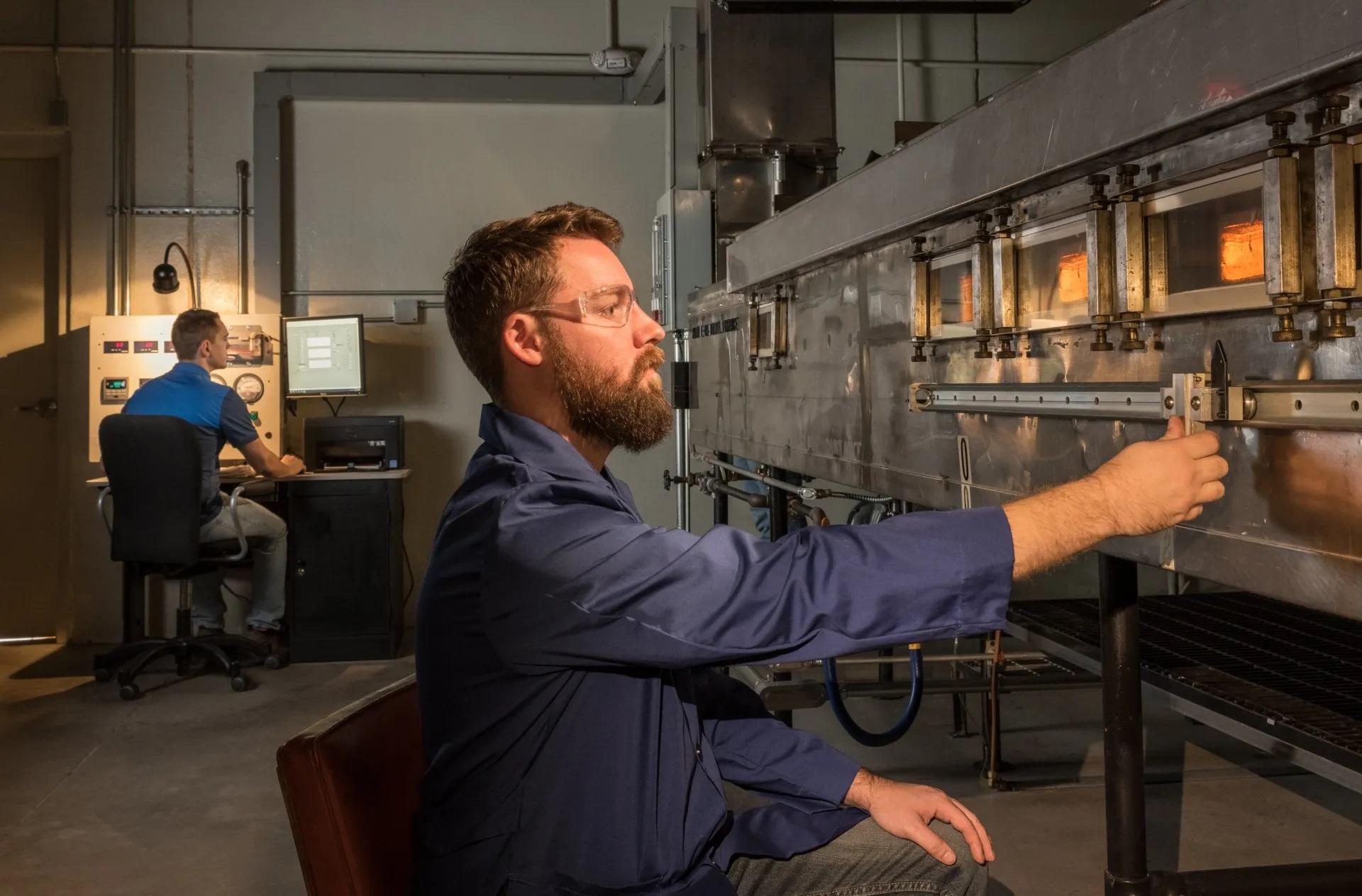
The testing program, commissioned by the WWPI with support from the Southern Forest Products Association (SFPA), involved testing lumber and plywood treated with six different fire-retardant formulations – three pressure applied and three non-pressure applied. The WWPI said the tests were conducted at an independent laboratory in accordance with ASTM E2768-11, the protocol specified in the International Building Code (IBC), and other fire safety codes for proving the performance of fire-retardant-treated wood products as defined in Section 2303.2 of the IBC.
Results from the testing showed that when it comes to meeting rigorous code-specified fire testing requirements, wood products treated with non-pressure-applied fire retardants are unreliable at best. In all 10 tests of pressure-treated FRTW, the products met the objective of the ASTM E2768 — the flame front did not progress beyond 10.5 feet at any point during the 30-minute test. But 19 of the 21 products treated with non-pressure applied fire retardants were unable to reach the 30-minute mark without the flame front progressing beyond 10.5 feet.
For the two non-pressure applied wood tests that went the full duration, it is surmised the test samples’ substrate, Select Structural Douglas fir lumber, may have contributed to the positive test results. An untreated sample of the same substrate was tested and lasted 27.3 minutes, more than 90 percent of the test’s 30-minute duration, before the flame front moved beyond 10.5 feet.
In Section 2303.2, the IBC defines fire-retardant-treated wood as having been “impregnated with chemicals by a pressure process or other means.” It identifies specific testing protocols -- ASTM E2768, an extended version of UL723 or ASTM E84 — that must be used to assess its effectiveness in resisting fire. The code states, “The use of paints, coating, stains or other surface treatments is not an approved method of protection as required in this section.”
The fire protection provisions in Section 2303.2 of the IBC are intended to ensure in the event of a fire building occupants have ample time to escape and firefighters have a chance to enter the building safely to douse the flames. Because of the obvious human safety factors involved, code requirements are rigorous, and the language is specific. Products governed by this part of the codes are structural in nature; if those products fail prematurely, the building could collapse, trapping occupants or first responders inside.
The extended test duration specified in Section 2303.2 is the primary distinction between the code’s requirement for structural FRTW and its requirements for non-structural products such as interior finishes, addressed in Chapter 8 of the IBC. Interior finishes require ASTM E84’s 10-minute flame exposure.
“This testing program underscores the importance of the code language and performance testing requirements,” said Butch Bernhardt, executive director of Western Wood Preservers Institute (WWPI). “Since fire-retardant-treated wood is used to build high-occupancy structures such as multi-story apartments, the stakes are too high to risk using potentially ineffective products based on questionable marketing claims.”
Non-pressure applied fire-retardant manufacturers have been known to use terms like “code-compliant,” “Class A rated” and “ASTM E84 tested” to promote their products as equivalent to pressure-treated FRTW. However, none of those claims qualify the product for use as FRTW under Chapter 23 of the IBC.




Have something to say? Share your thoughts with us in the comments below.