Herman Miller's New Living Office Driven By Technology Trends
Click on the image to open
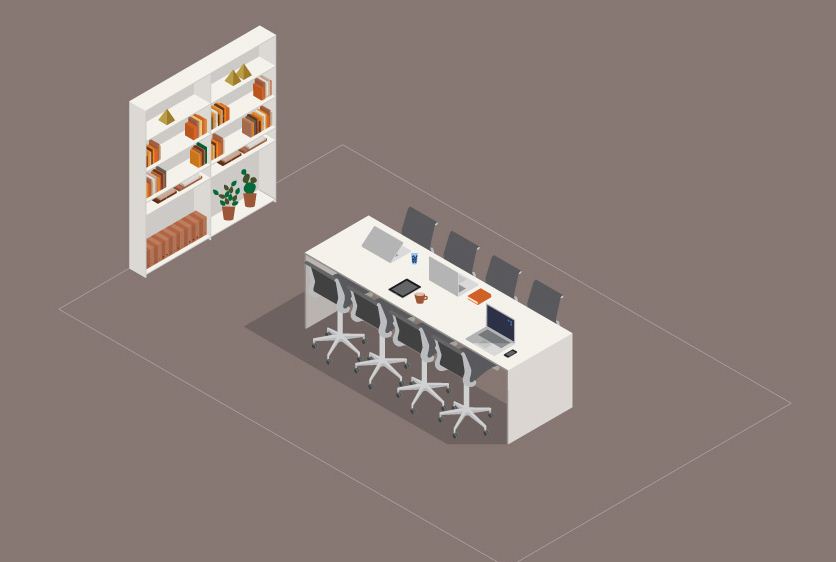
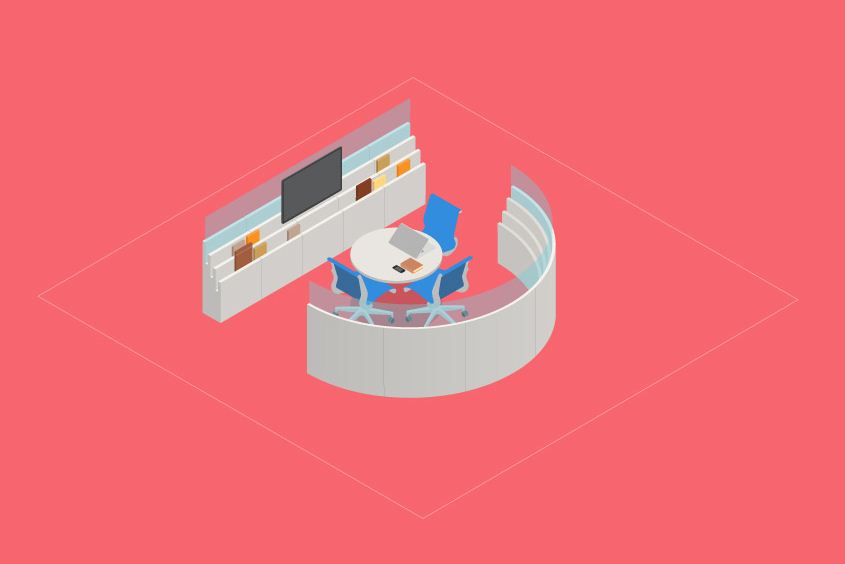
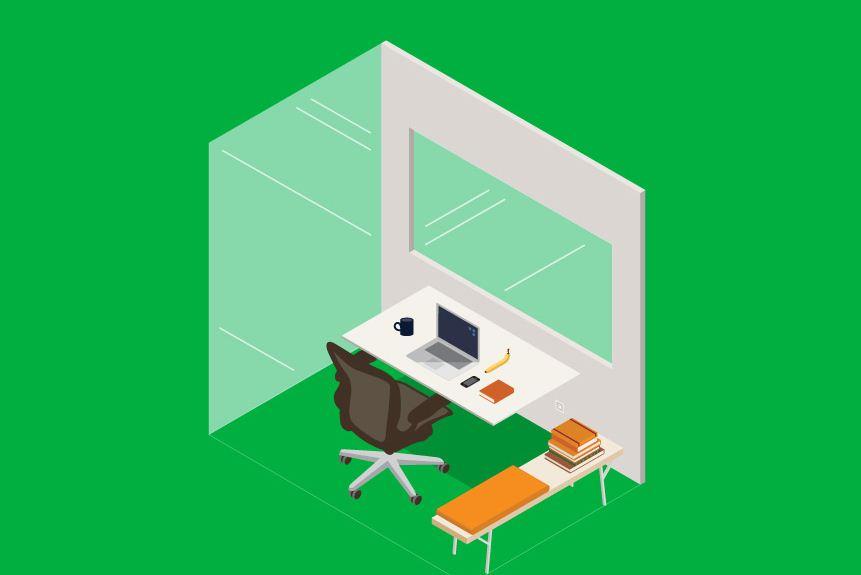
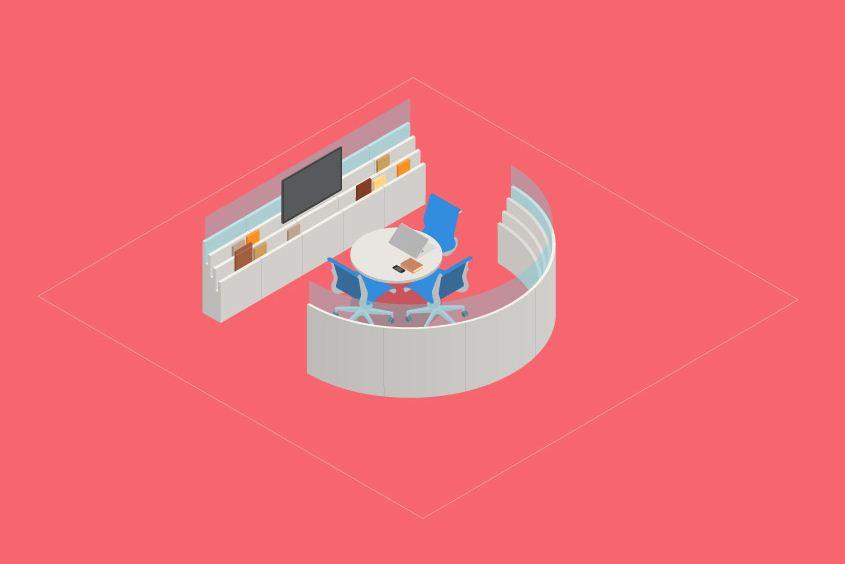
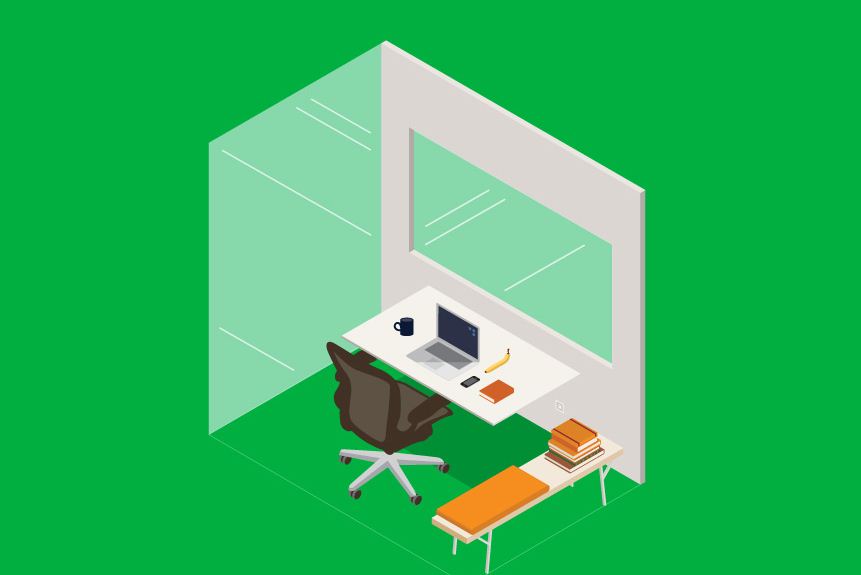
Herman Miller has rendered the following 10 settings to illustrate how its new Living Office can be adapted and combined to create an office landscape provides choice and fosters community. First up is Haven, a small shelter where focused work can be done without distraction or alternatively, a place to unwind.
Click on the image to open
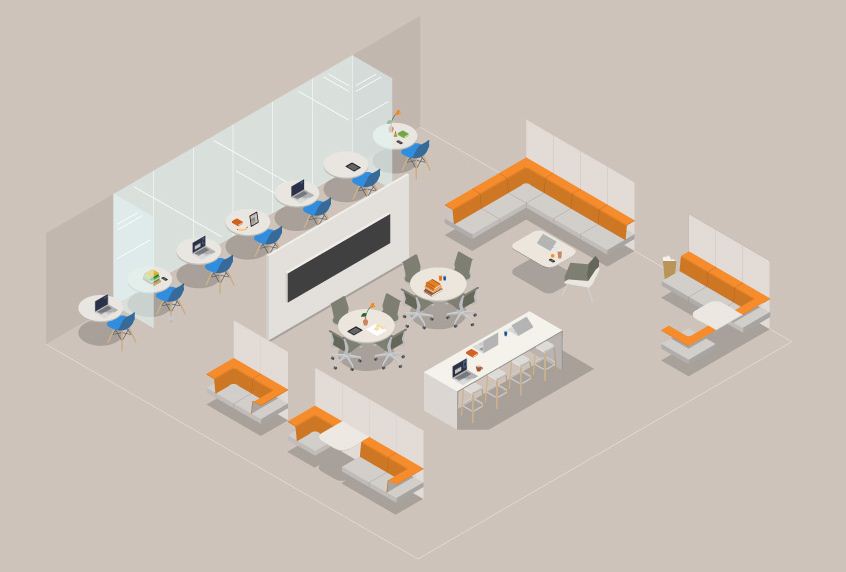
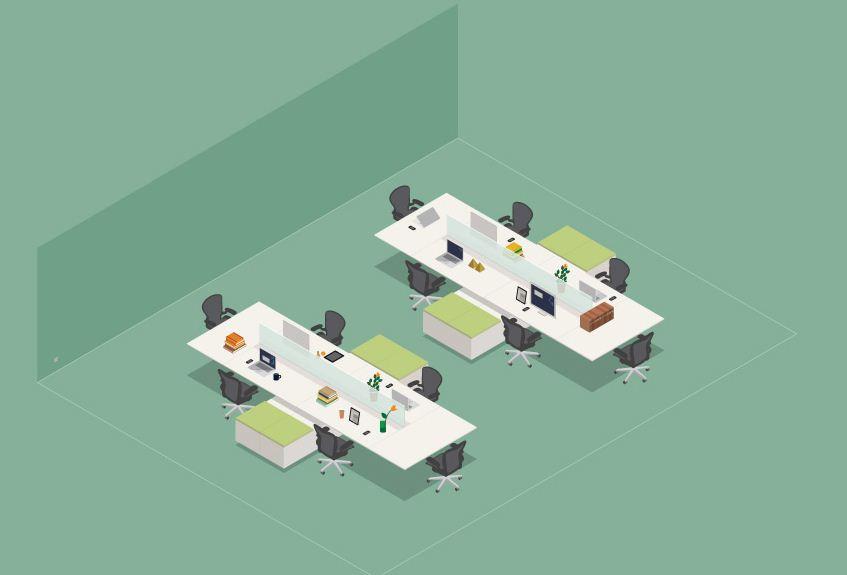
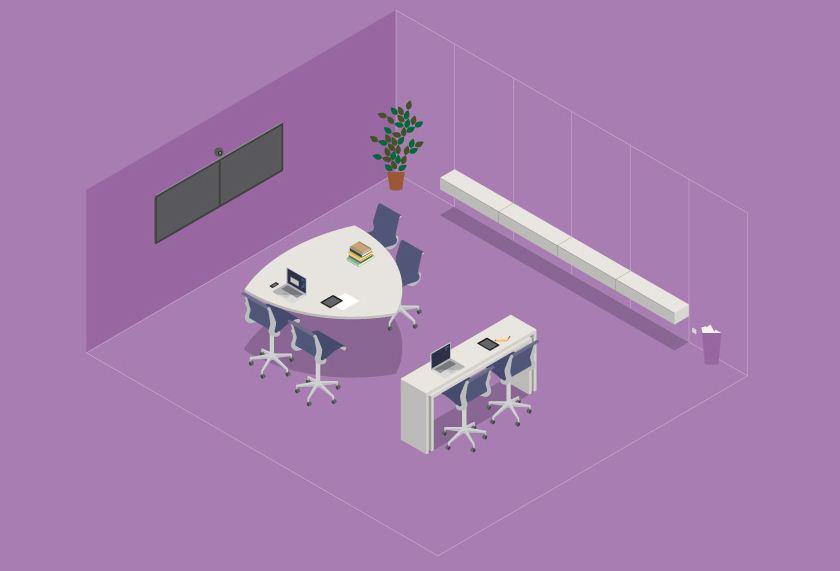
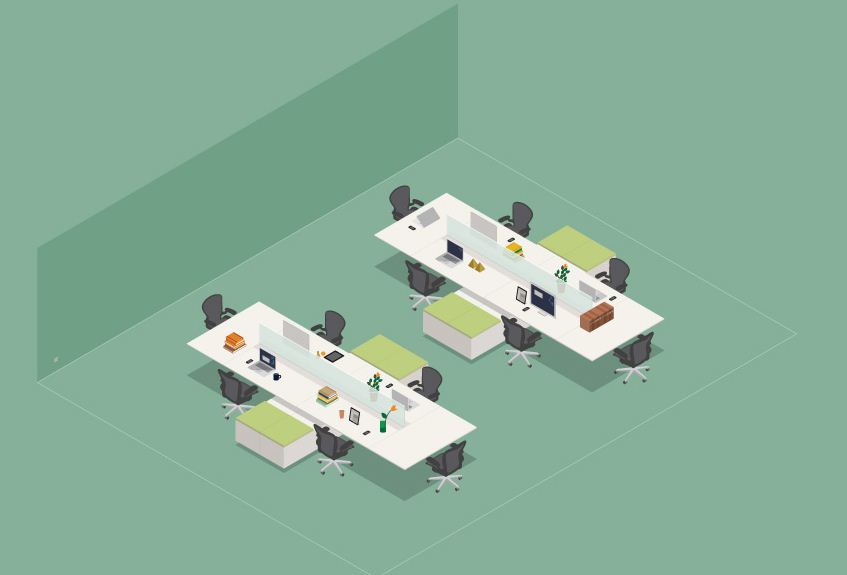
Hive is a space where numerous people can do a diverse range of work harmoniously. The setting offers a grouping of individual work points and ergonomic seating.
Click on the image to open
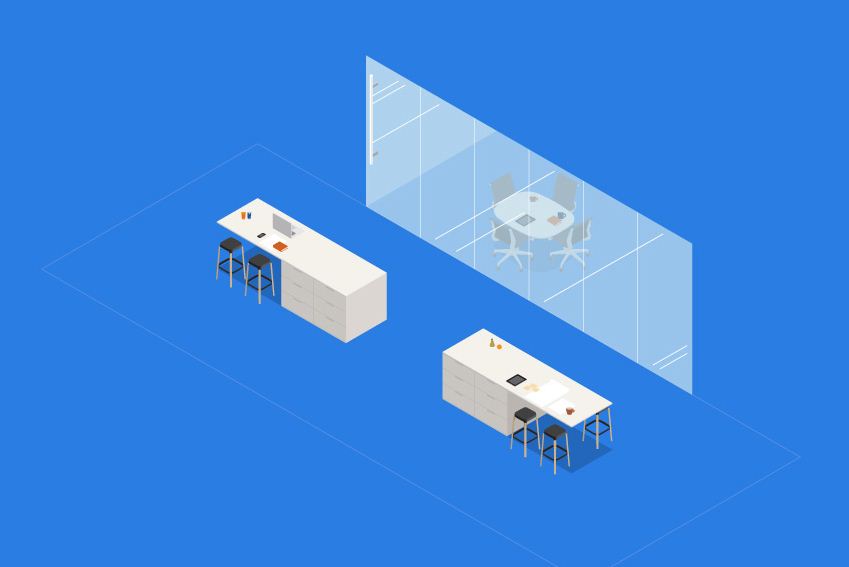
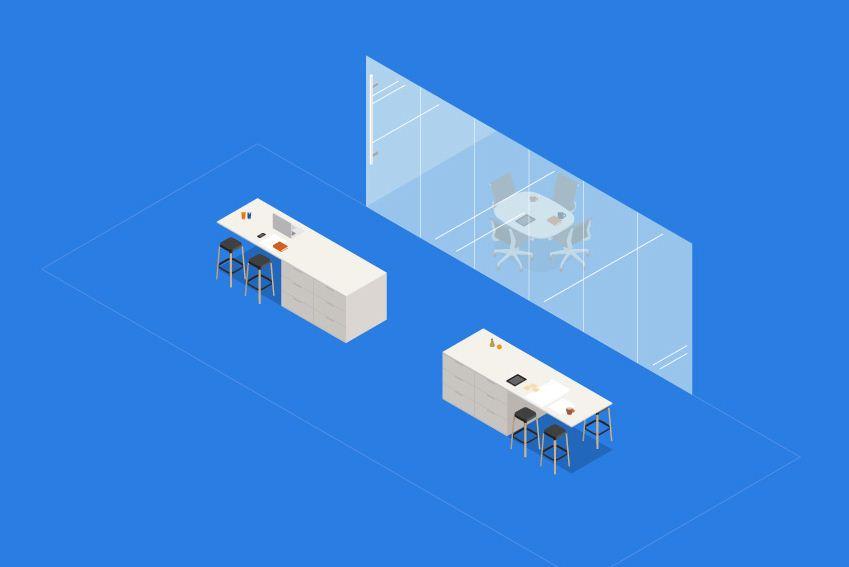
Jump Space consists of highly usable work points that facilitate temporary work between other activities. For this reason they tend to be located along highly trafficked routes, or adjacent to busy intersections within the office.
Click on the image to open
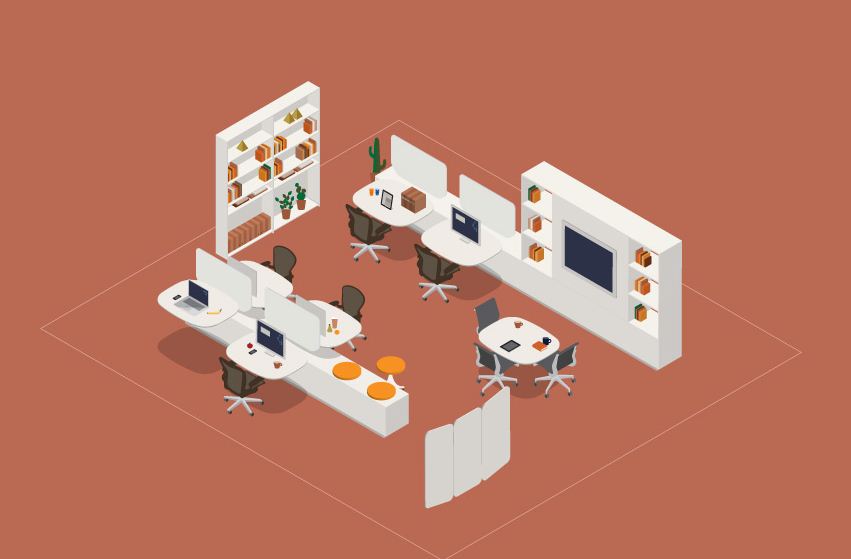
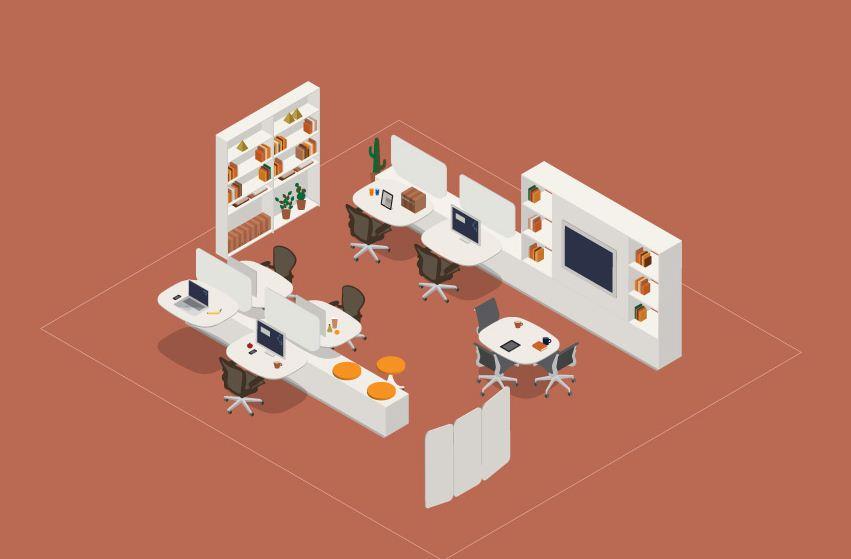
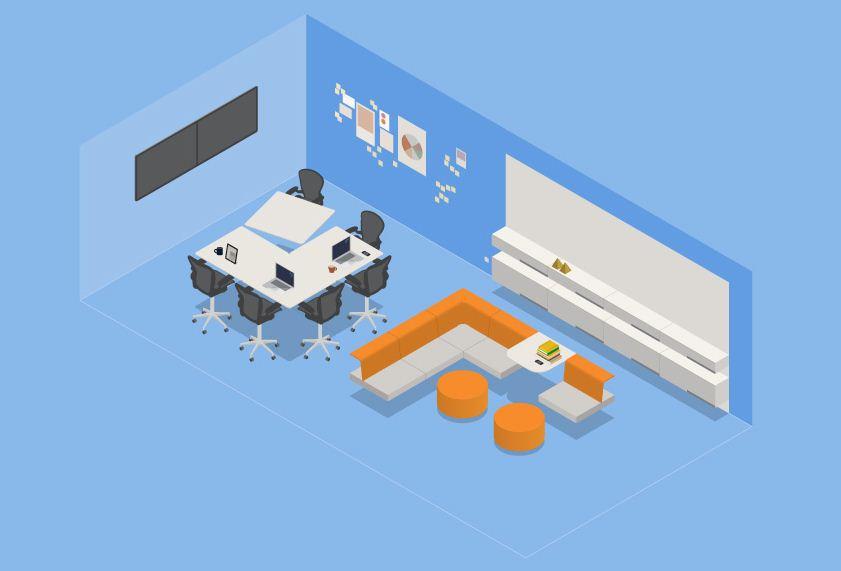
Clubhouse is a working neighborhood that generally belongs to a team assigned to a specific, long-term project. A variety of individual and group work points with ergonomic seating enable people to freely and intuitively cycle between tasks and activities as they use a variety of fixed, mobile, personal, and remote technology.
Click on the image to open
Cove is a compact space within proximity to individual work points or common areas that enables people to assemble and engage with each other for a short period of time. A Cove may also accommodate remote participants with provisions for fixed and personal technology.
Click on the image to open
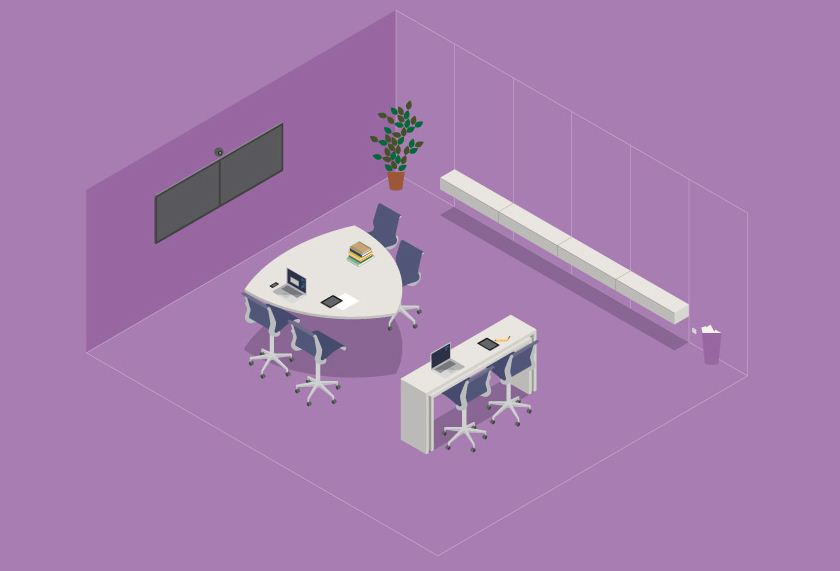
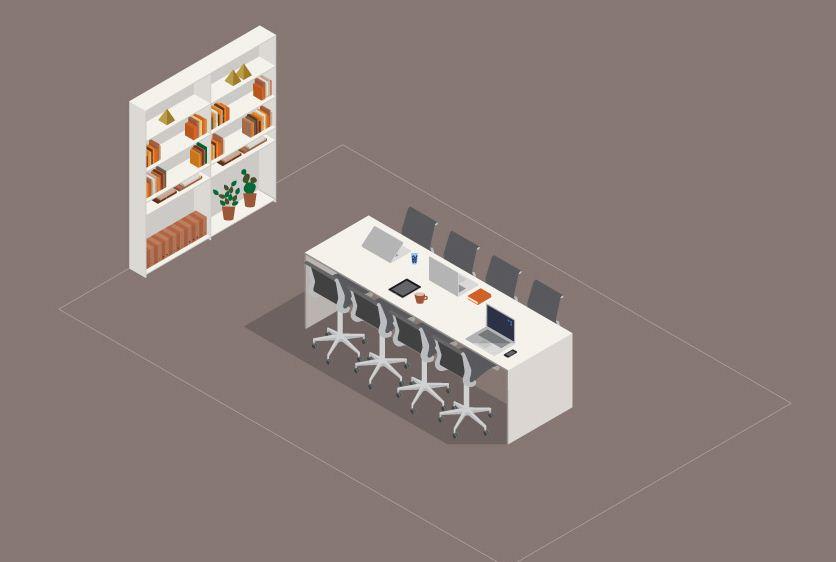
Meeting Space is designed to support information sharing — whether it’s a single speaker at the head of the room, or a group of peers conversing among themselves. For this reason, a Meeting Space requires great lines of sight for everyone, including remote participants.
Click on the image to open
Landing is an open perching spot adjacent to Meeting Spaces or Forums. Prior to a meeting it provides a gathering space for attendees.
Click on the image to open
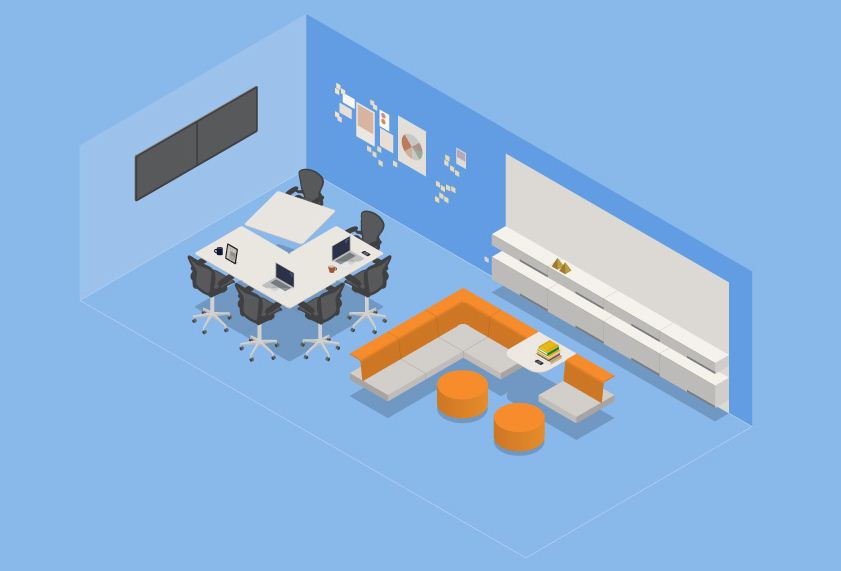
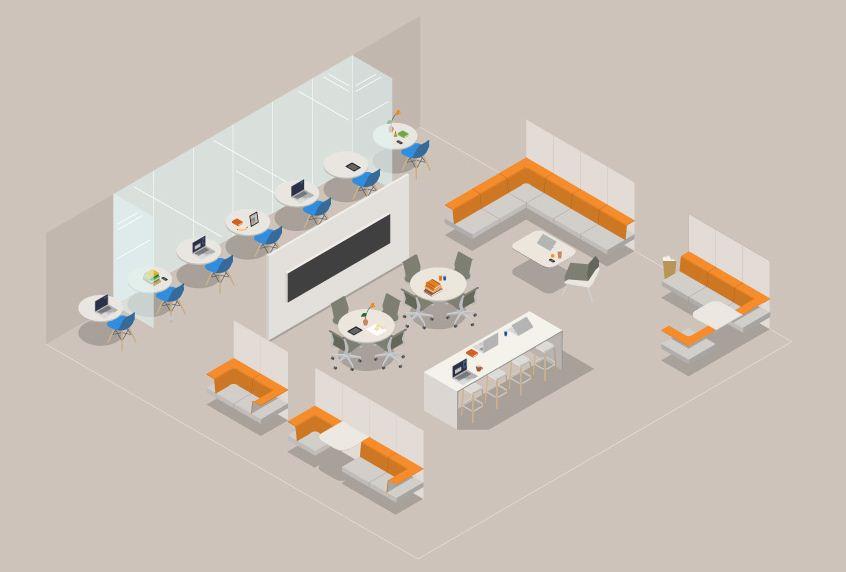
Workshop is the ideal setting for people to work together to generate new ideas and drive their work forward. It offers easy access to analog and digital tools and surfaces to display and create work. People are always able to see and hear each other easily — even when not physically present.
Click on the image to open
Forum is designed to support the presentation of content. This is enabled by a clearly defined point of focus in the space, which tends to be architecturally enclosed. Critical elements include a good line of sight for everyone in the audience, excellent sound and lighting, and the capacity to engage remote participants.
Click on the image to open
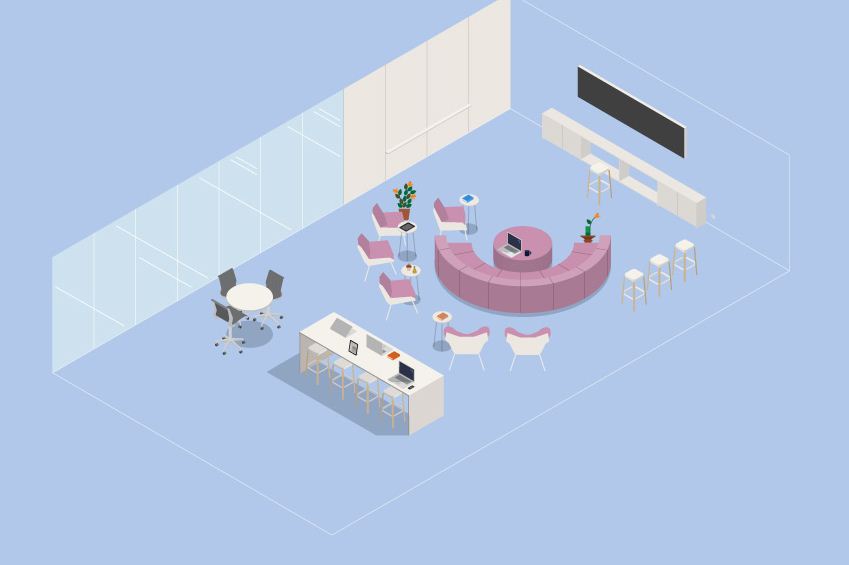
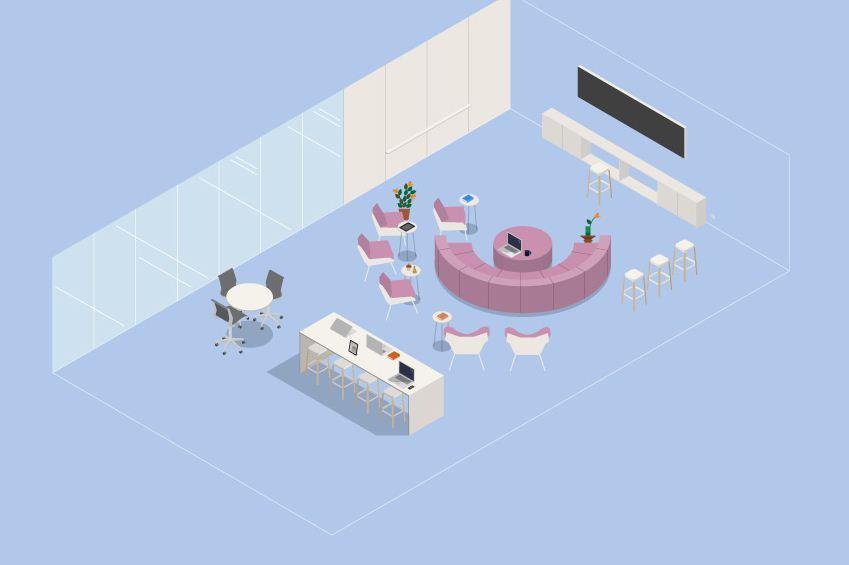
Plaza acts as the vibrant and dynamic heart of the landscape—a place where people can intuitively take the pulse of the organization. They are open, welcoming, public spaces situated at major intersections and highly trafficked areas of the work environment.

ZEELAND, MI - Herman Miller Inc. says its award-winning Living Offices takes a "holistic approach to creating more natural and desirable workplaces."

Living Offices, which won Best of NeoCon Awards for overall showroom and booth design at NeoCon 2013 in Chicago, is built on how dramatically the Internet, mobile technologies and powerful seamless information networks have transformed the way work gets done - not only by teams assembled in a shared office, but by collaborators working remote in virtually any corner of the world.

Early next year, Herman Miller, which racked up approximately $1.8 billion in revenue in fiscal 2013, says it will introduce major new furniture platforms to complement Living Office settings and landscapes.

The debut of Living Offices followed more than two years of research by Herman Miller that involved hundreds of facility managers on six continents. Among the key findings, Herman Miller found a nearly universal desire among facility managers everywhere to create a work setting to "improve employee engagement."

Herman Miller believes Living Office fills the bill, saying, "Living Office helps people and organizations uniquely express and enable their shared character, activities, and purpose, promoting employee engagement, creativity, productivity, and well-being, and ultimately greater prosperity for all."

The accompanying slide show illustrates 10 primary work settings created by Herman Miller in response to its research. The company notes that each of these settings can be adapted to a company's unique needs.

Have something to say? Share your thoughts with us in the comments below.