

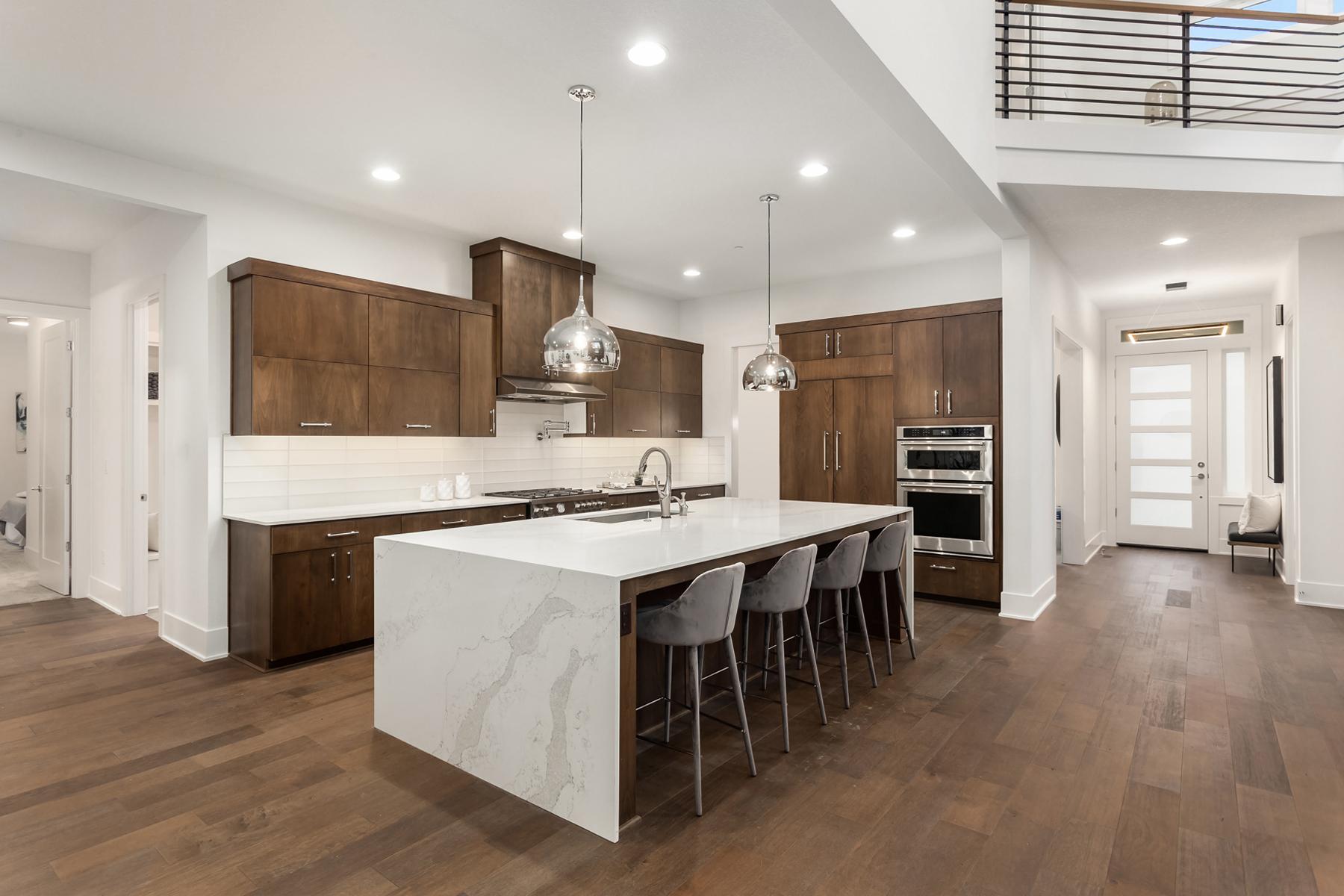
Medium Density Fiberboard (MDF) is one of the most versatile and reliable materials with its durability, uniformity, affordability, and ease of fabrication, making it a top material choice for producing various products, including furniture, kitchen cabinets, doors, mouldings, millwork, and laminate flooring. MDF’s smooth, consistent surface is free of knots and other defects, making it the ideal surface for numerous finishes, including veneers, laminates, paints, and other finishes.
As a composite material, MDF is made by binding cellulosic fibers with synthetic resins or other bonding agents under heat and pressure. Manufacturers can also incorporate additives to enhance specific properties, such as moisture or fire resistance, providing even greater versatility for specialized applications.
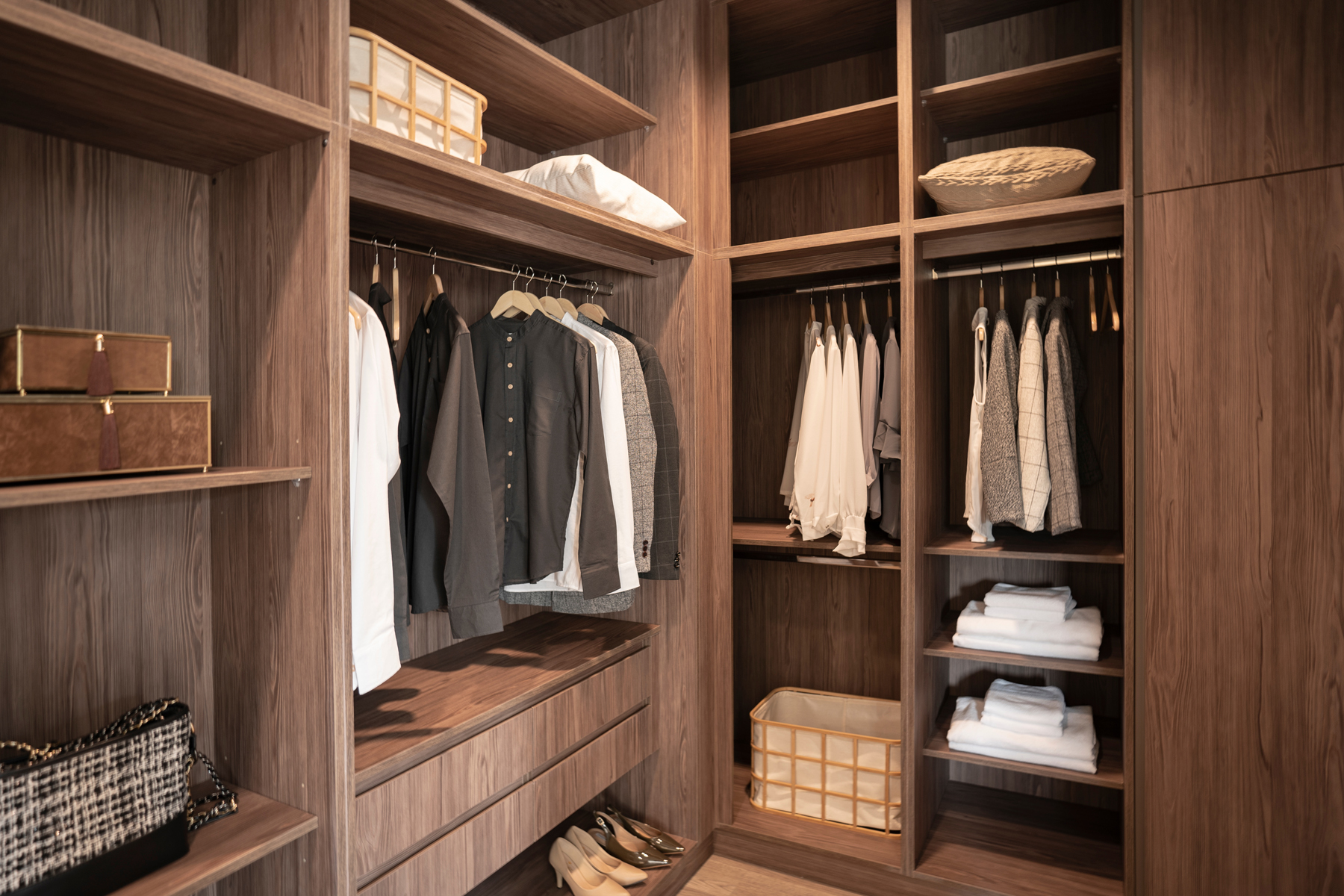
MDF panels are manufactured in a wide range of densities, dimensions and physical properties, tailored to meet the specific design requirements of different end products. With its uniform density, MDF can be precisely cut and machined to create detailed moulding edge profiles, intricate designs, and flawless finishes. Whether routing or applying detailed patterns, MDF excels at maintaining tight tolerances, resulting in superior-quality products. Additionally, using MDF minimizes trim waste compared to other substrates, further enhancing its efficiency in manufacturing processes. Whether you're a manufacturer looking for cost-effective and efficient material or a designer seeking the perfect surface for your next project, MDF is an excellent option that meets both functional and aesthetic needs.
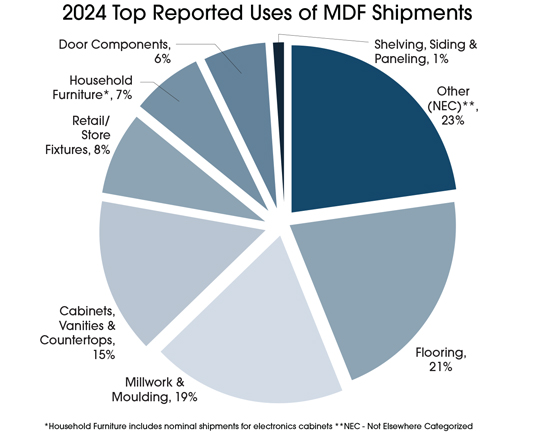
Many Uses for MDF
MDF’s remarkable stability, strength, and uniformity, combined with its ease of fabrication, make it the ideal foundation for a wide range of applications. Its ability to be precisely machined into intricate patterns opens endless possibilities, making it the perfect choice for cabinetry, furniture, flooring, retail fixtures, millwork, trim, and any project that demands exceptional edge shaping, embossing, laminating, or finishing. With MDF, creativity and craftsmanship come together seamlessly.
MORE INFO Composite Panel Association More information, plus industry news, testing & certification, policy and stewardship at the Composite Panel Association's website CompositePanel.org | 
|
Industry Standards, Certification, and Environmental Specifications
MDF manufacturers selling panels in the U.S. and Canada are required to meet rigorous third-party certification and formaldehyde emissions testing, as outlined in the EPA’s TSCA Title VI and CARB ATCM 93120 regulations, or under Canada’s CANFER SOR / 2024-256 standards.
The ANSI A208.2 standard for Medium Density Fiberboard (MDF) for Interior Applications is the voluntary industry guideline for its use and specification in North America. The Standard defines physical and mechanical properties, product grades, dimensional tolerances, and formaldehyde emission limits. Sponsored by the Composite Panel Association (CPA) and developed with industry stakeholders, ANSI A208.2 is available through the CPA website, CompositePanel.org.
Environmental Product Declarations (EPDs) provide standardized, transparent communication regarding the environmental impact of products. The EPD for North American-produced MDF reflects the material’s performance throughout its life cycle, offering a reliable basis for comparing MDF with other materials.
Read about how North American-made MDF is manufactured with renewable materials with near zero waste in “Panels for the Planet." Learn how these wood-based panels that carry the Eco-Certified Composites (ECC) certification label provide verification to high standards of sustainable practices.



Have something to say? Share your thoughts with us in the comments below.