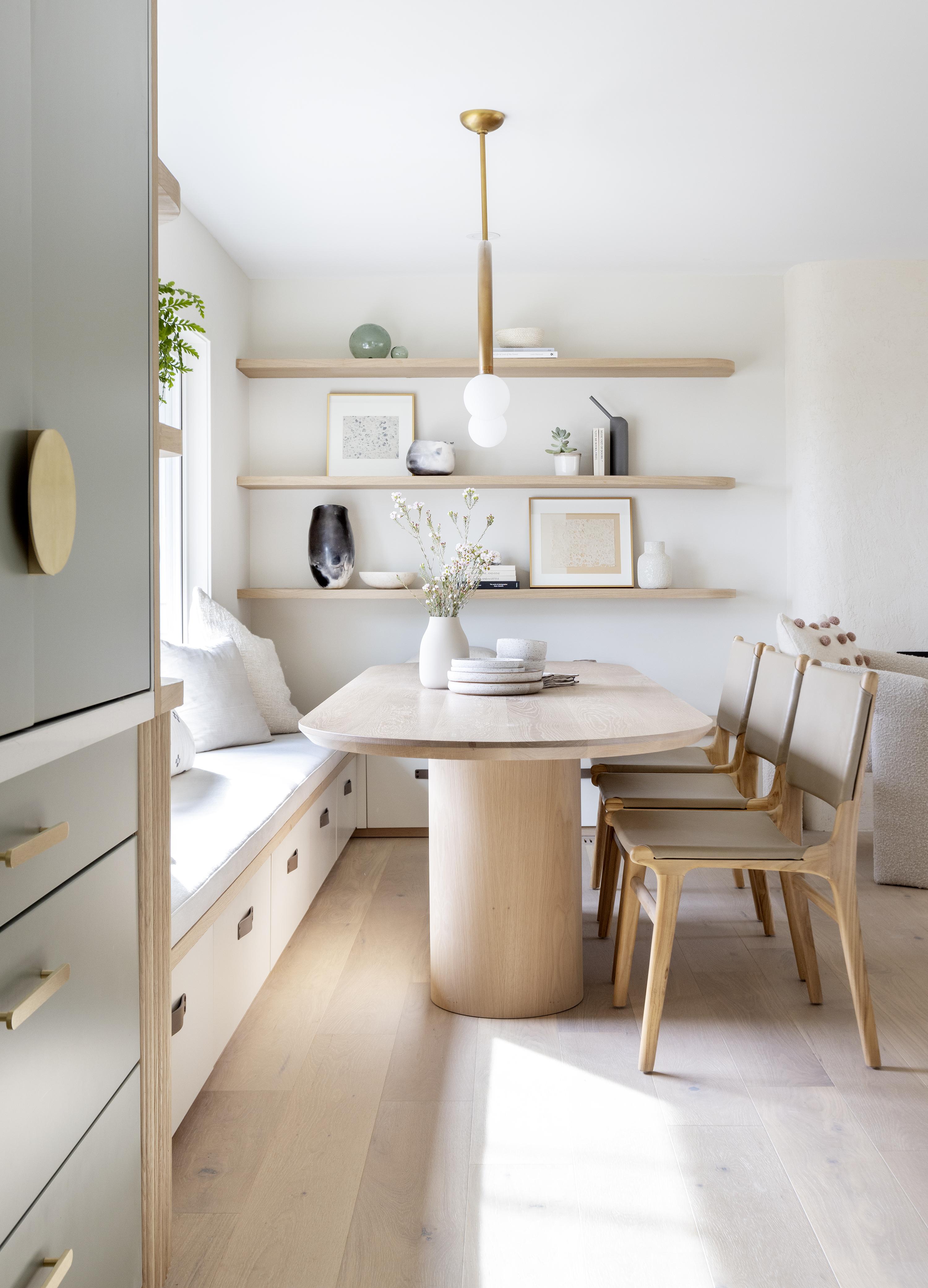
Photo By From Pure Design Inc. courtesy of Janis Nicolay
In both commercial and residential projects, sustainability is often a topic of conversation, either indirectly or directly. From companies looking to align design projects with their Environmental, Social, and Governance (ESG) initiatives to homeowners seeking healthier materials, designers and suppliers should understand and respond to client needs and changing expectations.
Sustainable products and circular design have long been a big part of the discussion with commercial office and healthcare designers. Missy Sjerven, vice president of marketing for Northern Contours, has noticed increased interest in the home space as well, from both designers and homeowners.
Pure Design Inc. President and principal designer Ami McKay echoed those observations: “Clients are more curious, more conscious. They’re asking thoughtful questions, not just about aesthetics, but about what lies beneath the surface: ‘Where was this made? Is it safe for my family? Will it last?’”
Even if the term “circular economy” isn’t mentioned, clients understand the concept, but they’re also overwhelmed on how to incorporate it, McKay noted, “so it’s up to us as designers to guide the conversation with clarity and care.”
If you aren’t being asked often about sustainability or details about materiality, now is the time to prepare; it can impact your bottom line and support repeat and expanded business.
Harvard Business Review research discovered that consumer shifts toward sustainability and transparency are emerging, which build brand trust, especially among younger generations (as in, the people who are or will soon be decision-makers).
Customers who trust a company are more likely to initially choose its brand, purchase from that brand again, and advocate it to others. Understanding and anticipating client sustainability needs can help boost customer trust.
Material trends and advances
Sustainable materials, processes, and options have evolved recently to the point where clients don’t need to pay more or sacrifice design to achieve personal or corporate sustainability goals, Sjerven explained.
“The materials we work with today offer both beauty and performance, often surpassing what was available even just a decade ago,” she said.
Engineered materials today are designed for high performance and can be used across a wide range of applications. Sjerven gives an example that materials used in a home closet countertop might also be applied as store shelving or surface in a checkout lane.
Clients also are becoming more aware of indoor air quality, especially in closed storage spaces where ventilation considerations matter, like closets and pantries, McKay noted.
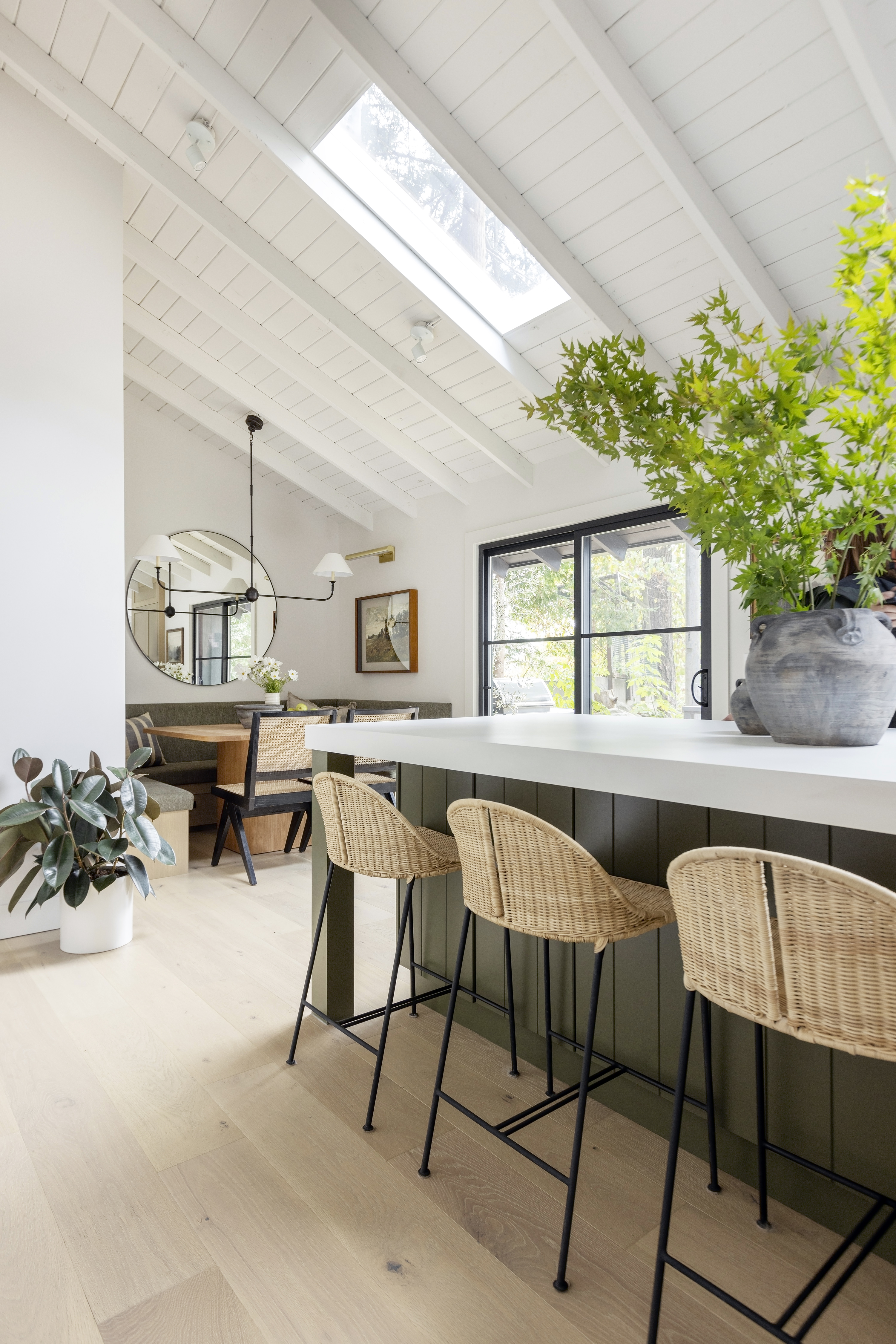
From Pure Design Inc. Photo: courtesy of Janis Nicolay.
She said there are materials that clients are more naturally drawn to or familiar with, including: FSC-certified woods, reclaimed materials, fast-renewing resources such as bamboo, low-VOC and non-toxic finishes, and formaldehyde-free substrates. Regarding reclaimed wood, McKay added, “It brings warmth, texture, and a sense of soul. Clients love that it’s one-of-a-kind and often carries a history. It feels like a conscious choice, not just a design feature.”
Considering the full lifecycle
Construction and demolition debris is a top contributor to landfill waste, where up to 75 percent of materials can end up in a landfill and account for 30 percent of all waste in landfills. The EU’s Waste Framework Directive provides a descending hierarchy of steps to reduce materials ending in landfills:
Prevention
Preparing for re-use
Recycling
Recovery
Disposal
Understanding how to minimize environmental impact is one piece of sustainability. For Northern Contours, that means staying proactive on sustainability efforts by paying attention, asking questions, and learning from industry and global trends, Sjerven said.
She cites Europe as an inspiration in how raw materials are procured. “Historically, Europe has had to be more innovative in efficiency because they don’t have access to abundant hardwood resources like those available in North America.”
The team at Pure Design is moving beyond recycled to recyclable and re-use. They incorporate storage systems that can be disassembled, repurposed, or adapted over time.
“It’s a shift from permanence to flexibility, which is a beautiful way to honor both the environment and the way our lives evolve,” McKay said. “Sustainability in storage starts with intention. It’s not just about swapping one material for another; it’s about designing smarter, more timeless spaces that work with the rhythms of life, not against them.”
Empowering choices through education
Education is important to McKay, both in helping clients and working with suppliers. When sourcing sustainable options, she considers third-party certifications, such as FSC, GREENGUARD Gold, or Cradle to Cradle. From there, she digs to find out where it was sourced, the full lifecycle, and how it’s processed and finished. Over the years, she said, her team has built relationships with suppliers who are willing to have those conversations.
For clients, she guides them on what it means to live with the material, not just look at it. “It’s about designing with foresight, not just flair,” she explained. “Ultimately, clients want to make choices they feel proud of. Our job is to give them the tools and context to do that without sacrificing beauty or function.”
.
Have something to say? Share your thoughts with us in the comments below.
About the author
Valerie
Dennis Craven
Valerie Dennis Craven is an independent writer and content strategist with experience covering commercial and residential design solutions and materials.





Have something to say? Share your thoughts with us in the comments below.