

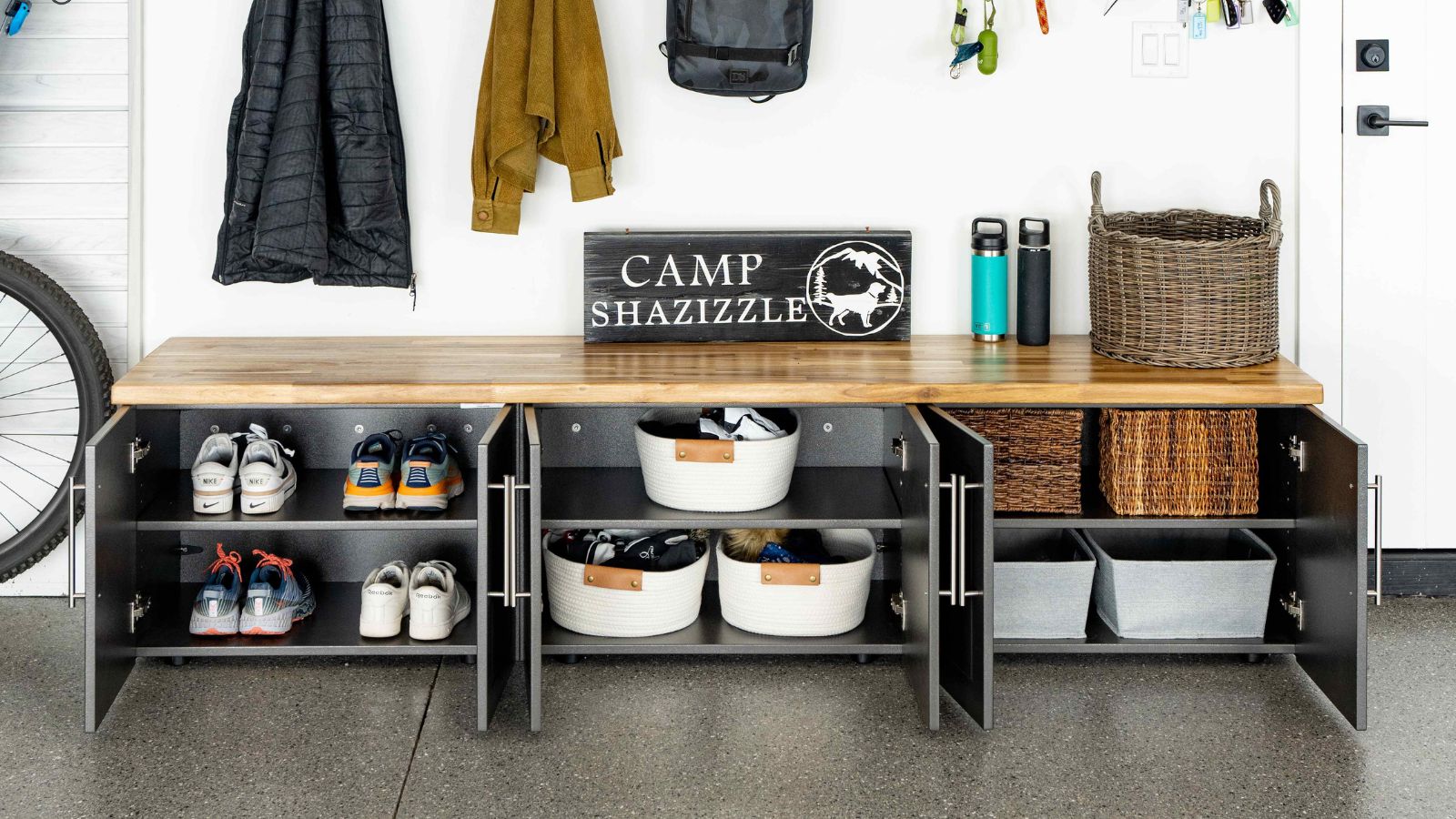
For decades, the garage has been defined by the automobile. A concrete-floored space intended for parking cars; it served as a catch-all for unorganized overflow. However, a significant shift is occurring in the home organization industry. Experts are now urging designers, builders, and homeowners to reframe the garage not as a utility bay, but as the home’s largest closet.
This conceptual pivot goes beyond marketing; it is a response to skyrocketing real estate prices and a fundamental change in how people view their living environments. By treating the garage as a high-end storage suite, homeowners are unlocking untapped square footage, and businesses are finding a lucrative new opportunity.
Tom Keenan, of Milwaukee Slatwall, identifies the garage as the most significant “white space” left in the residential market. While nearly 100% of modern homes have closets, Keenan estimates that less than 1% of garages in the United States are truly finished or organized.
“Stop looking at the garage as the place to park the car and use it as an opportunity for storage space,” Keenan said. He points out that while interior closet renovations are private, tucked away in bedrooms, a finished garage is “almost public.” When a garage door opens, it acts as a showcase for the neighborhood. “When you go into a development, everyone’s got the same kitchen, the same bathroom, the same master closet,” Keenan noted. “But when you open that garage door, and you have a finished floor and organized walls, it is a massive differentiator.”
For the business owner, this means the garage isn’t just a job site; it’s a permanent billboard. This “neighborhood effect” often triggers a chain of inquiries, as neighbors witness the transition from a cluttered space to an organized extension of the home.
Historically, the garage was not a great environment for fine cabinetry. Fluctuating temperatures, road salt, and high humidity meant that standard interior materials would warp or delaminate. This is where Paul Unger, of Unger Powder Coating, sees the bridge between the “closet” and the “garage” being built.
Unger’s company specializes in powder-coated wood cabinetry, a process that provides a seamless, moisture-resistant finish that can withstand the garage environment while maintaining the aesthetic of high-end furniture.
“We have probably maybe 10% [of clients] will have us put closet rods in at least one of the cabinets for outdoor clothing,” Unger said. This shift toward “mudroom” functionality within the garage is a direct result of the reframing. Homeowners are now requesting dedicated shoe cabinets with seating, much like they would in a master suite. “Instead of bringing all that dirt and those bulky coats into the house, it stays in the ‘garage closet’ where it’s organized and accessible,” Unger explained.
Efficiency and safety in high-value real estate
As the cost per square foot of housing continues to rise, homeowners are under pressure to utilize every inch of their property. Unger noted that this economic reality is driving the demand for smarter garage solutions. By moving storage into high-quality cabinets and onto the walls, homeowners can avoid the “death traps” of over-stuffed attics and precarious overhead racks.
“Housing is so expensive now you want to utilize every square foot the best you can,” Unger says. He emphasizes that bringing closet-level organization to the garage eliminates the need for ladders and prevents the “stacking” of boxes that makes finding items a chore. When everything has a dedicated, labeled place behind a sleek cabinet door, the garage becomes a functional part of the home’s daily workflow rather than a neglected storage locker.
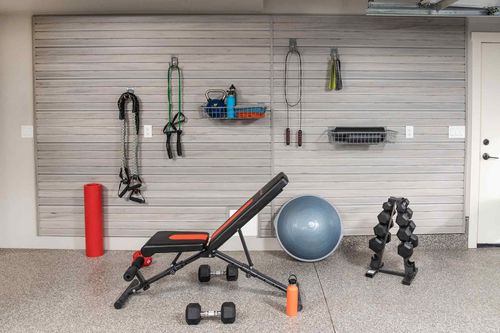
A central component of this transformation is the transition from traditional drywall to floor-to-ceiling slatwall systems. Keenan argued that the traditional method of finishing a garage with drywall and paint is becoming obsolete. Installing slatwall is often faster, more cost-effective, and infinitely more functional.
“When our dealers... show it floor to ceiling, it is functional, but it’s a look,” Unger added. “It’s not like you put slatwall there to hang stuff. It’s like the look of a wall.” This aesthetic choice provides a clean, textured backdrop that mimics the premium feel of a custom-designed interior room.
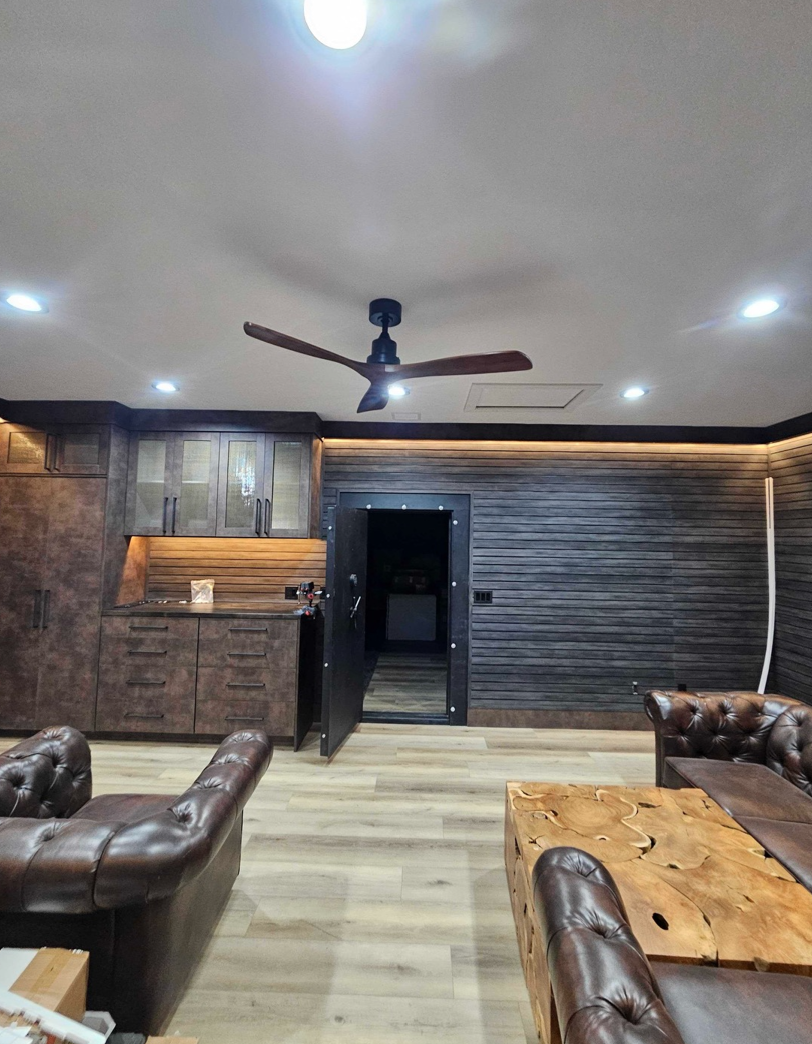
From a business perspective, the slatwall allows for repeat business. Unlike a static closet rod, a slatwall system is a modular platform. As a homeowner’s life changes, taking up golf, having children, or switching from skiing to cycling, they must return to the dealer for new hooks, baskets, and specialized accessories. This creates a recurring revenue stream and a long-term relationship with the client that doesn’t exist in traditional home remodeling.
Future of the garage
Reframing the garage as a closet changes the conversation from “where do I put my junk?” to “how do I design my life?” It allows businesses to sell a lifestyle upgrade rather than just a storage product. As more homeowners embrace the idea that their largest room should also be their most organized, the “garage-as-closet” movement can redefine home improvement in the next decade.
By adopting the language of the closet industry, focusing on finishes, lighting, and specialized zones, garage professionals are finally giving this overlooked space the respect it deserves. As Keenan noted, the garage is the “final frontier” of the home, and the doors are wide open for those interested in reframing it.
Editor’s Note: To learn more about this topic, register for the 2026 Closets Conference & Expo to be held June 30 - July 2 in West Palm Beach, Florida. Tom Keenan, Milwaukee Slatwall, will be a speaker discussing the importance of reframing the garage space.





Have something to say? Share your thoughts with us in the comments below.