

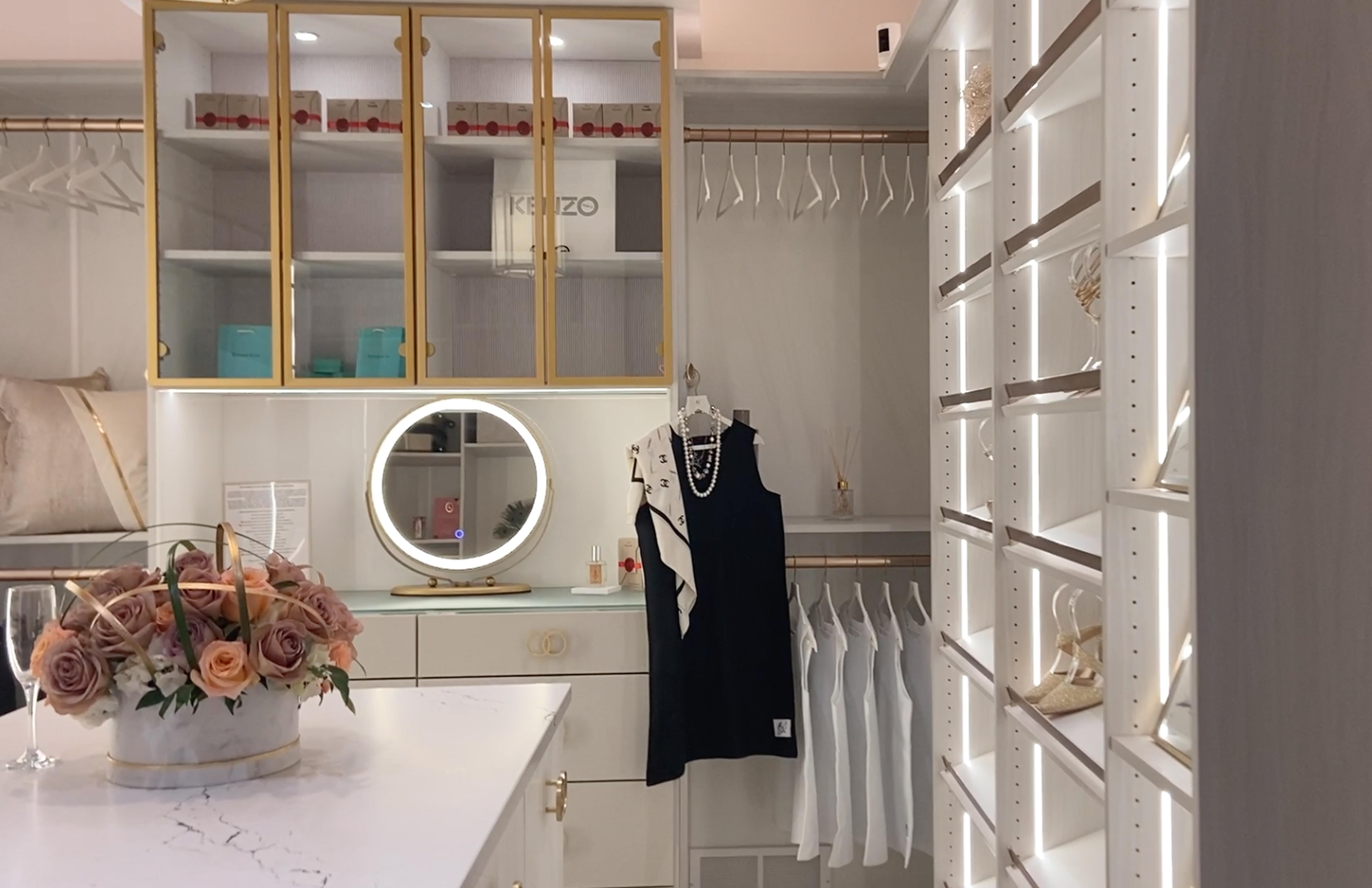
As more homeowners look for custom storage solutions, competition is growing. Custom cabinetmakers and kitchen and bath firms are entering the market to expand their services. For established closet companies, keeping their market share now takes more than just offering high-end products. They need to update their strategies.
Industry experts point to “ecosystem-led growth” as a new way to manage business. This approach treats manufacturers, designers, and related trades as one team working collectively to drive revenue.
Jay McBain, chief analyst at Omdia, said that we are now in a time when the “ecosystem” is the main source of business value. For closet companies, this means understanding how to be a true partner. Some firms are already doing this by turning showrooms into spaces where vendors connect and by serving as community hubs (Read about Bespoke Closets’ innovative partnerships). Others are working with homebuilders who introduce them to clients. By working closely with those involved early in home renovations, closet companies can become the top option.
Harvard’s Michael Porter also popularized the Value Chain concept, which says value starts as soon as a professional recommends a system to a client.
Using this concept, companies can find “upstream” partners who meet with clients months before a closet is installed. Along with luxury home builders, the ecosystem should also include:
Luxury real estate professionals: Homes with custom primary suites often get higher appraisals and sell more quickly. By offering “closet staging” or ready-made upgrade packages, manufacturers can connect with buyers who are ready to spend more.
Professional organizers: These experts see clients’ storage problems up close. When they find issues caused by poor storage setups, they can become strong supporters of manufacturers.
Smart-home integrators: Closets feature accessories like biometric safes and motorized racks. As closet systems increasingly overlap with AV integrators, joint training in lighting and security helps create a smooth “smart closet” experience that neither group could deliver on its own.
Halo Effect in luxury storage
In the high-end market, brand value often comes from the Halo Effect. Marketing expert Seth Godin noted strong branding is based on Permission Marketing, which uses trust to get a client’s attention. When a manufacturer teams up with a top interior design firm or luxury realtor, they also share in their partner’s style and reputation.
However, just being associated with a partner is not enough. The Harvard Business Review report, “Simple Rules for Making Alliances Work,” warned that problems like lead-time delays and mistakes are the main reasons partnerships fail. So, it is important that your work matches your partner’s brand standards.
Crossbeam’s 2026 State of the Network also includes a reference to ecosystem growth. In a LinkedIn post, the company noted one important stat is that 53 percent of deals involving a partner are likely to close. Although the report was looking at companies in the tech field, the overall takeaway is that working together with meaningful partners and sharing leads and other essential data can be profitable.
So, developing and reviewing key partnerships, especially those “upstream” is becoming a critical component of a company’s success.





Have something to say? Share your thoughts with us in the comments below.