

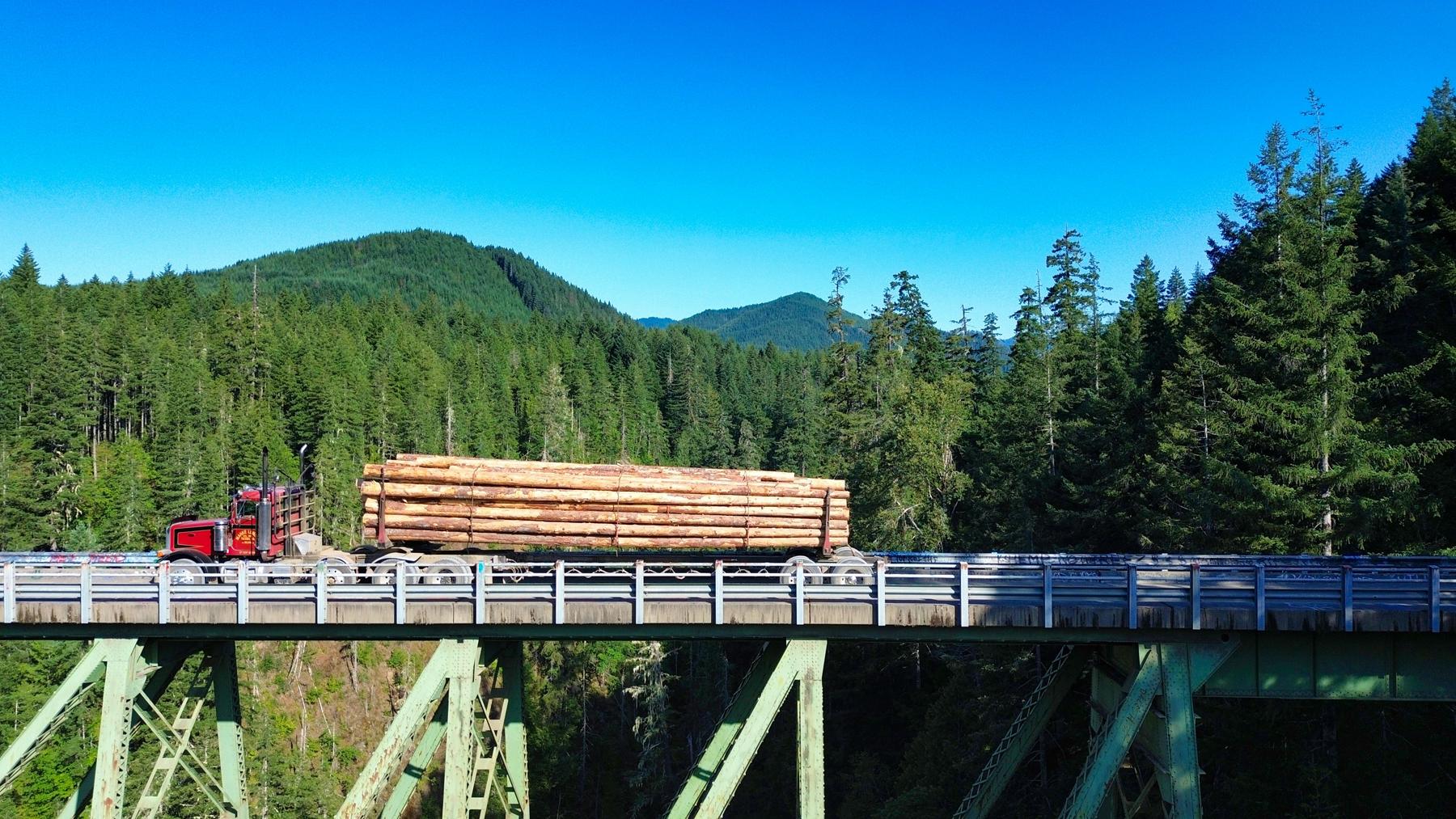
Lumber prices have been volatile for years, and woodworking manufacturers have learned to live with the uncertainty. But material costs are only part of the challenge. For many shops and mid-sized manufacturers, transportation spending has grown into a second variable cost problem sitting right next to raw material procurement, and it has received far less attention.
When margins are already compressed by material price swings, carrying transportation inefficiencies quietly erodes profitability in ways that are easy to overlook but hard to recover from. Managed transportation gives woodworking manufacturers a structured way to address that problem without requiring a complete logistics overhaul.
The compounding cost problem
Woodworking manufacturers face a cost structure that makes transportation efficiency especially important. Unlike some industries where a single primary material dominates the input cost, woodworking operations often manage inbound freight for lumber, sheet goods, hardware, adhesives, and finishing materials alongside outbound shipments of finished product. Each of those lanes carries its own carrier relationships, rate negotiations, and scheduling complexity.
When material prices rise, the instinct is to focus on procurement: finding better suppliers, locking in pricing, or adjusting product specs. Transportation costs tend to stay on autopilot, addressed only when a specific problem becomes visible. The result is that many manufacturers are quietly overpaying on freight while their attention is elsewhere.
The compounding effect matters here. If lumber costs go up 15 percent and transportation costs are simultaneously running 10 to 12 percent above where they should be, the pressure on margin is substantial. Addressing one without the other leaves money on the table. That’s where a structured approach to freight network efficiency pays off, because it treats transportation as a variable to be actively managed, not a background expense.
The material cost pressure is real and documented. According to Gordian’s RSMeans cost data, framing lumber prices were up 12.71 percent year-over-year as of October 2025, continuing nine straight quarters of year-over-year growth. For woodworking manufacturers running on thin margins, that kind of sustained input cost increase makes every other spending line matter more.
What managed transportation actually does
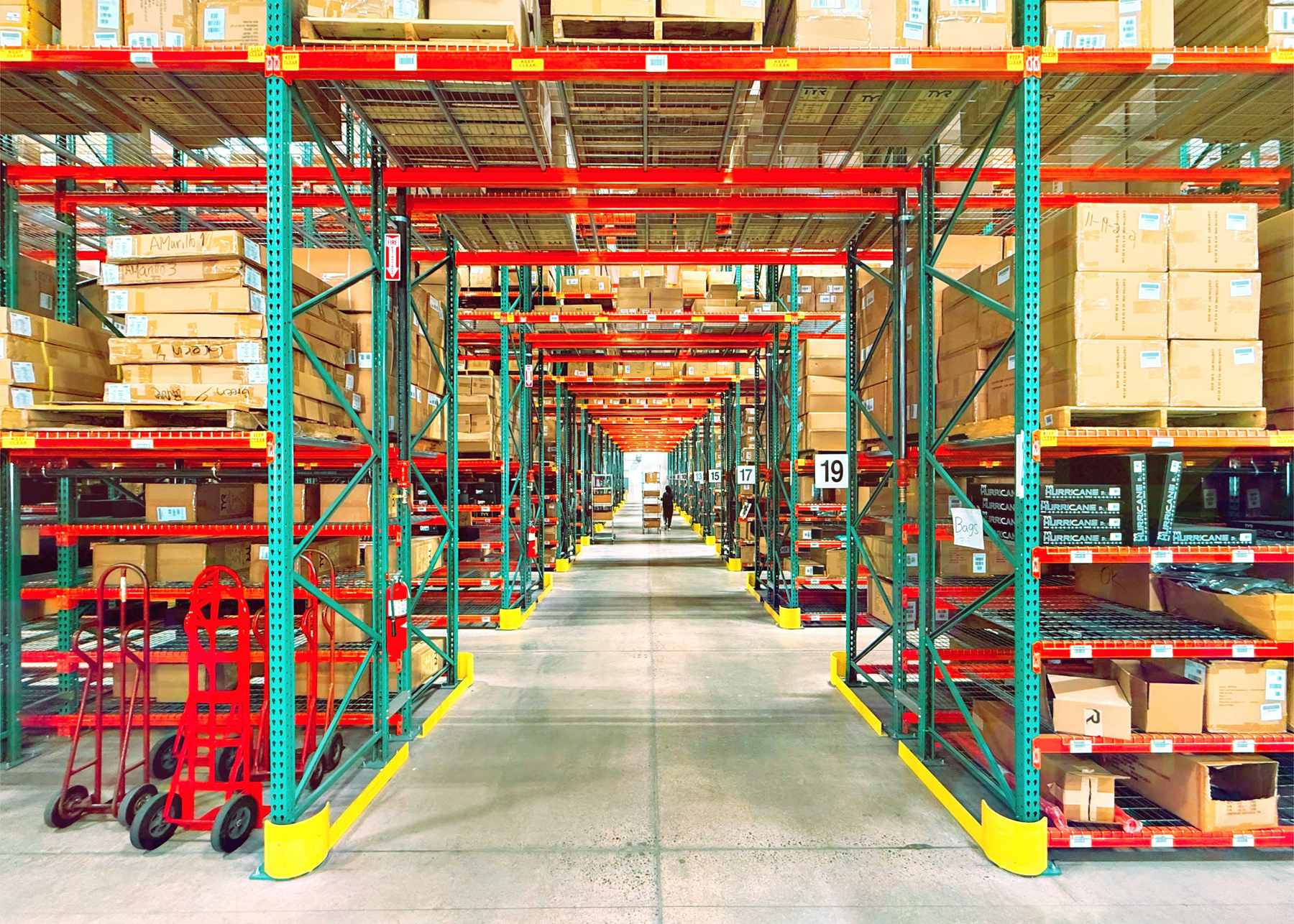
Managed transportation is a logistics model in which a third-party provider takes responsibility for planning, executing, and optimizing freight movement across a manufacturer's network. Rather than handling carrier selection, rate negotiation, and load planning in-house, the manufacturer works with a partner whose core function is transportation management.
For woodworking manufacturers, this typically includes consolidating carrier relationships, applying route optimization across inbound and outbound lanes, providing freight audit and payment services, and giving operations teams real-time visibility into shipment status. The practical effect is that transportation stops being a fragmented set of individual decisions and becomes a managed function with consistent oversight.
One of the clearest financial benefits is rate leverage. A managed transportation provider works across multiple clients and freight volumes, which gives them negotiating position with carriers that most individual woodworking operations cannot match. That scale advantage translates directly into lower per-shipment costs.
How it addresses material price volatility
The connection between managed transportation and material cost pressure is not immediately obvious, but it is real. When lumber or panel prices spike, manufacturers often respond by adjusting order quantities, changing supplier mix, or accelerating purchasing to get ahead of further increases. Each of those responses creates transportation variability: different origins, different load sizes, different timing. Managing that variability well requires logistics flexibility that most in-house operations are not built to provide quickly.
A managed transportation partner can respond to those shifts more fluidly. Carrier networks can be adjusted, consolidation opportunities can be identified when order sizes change, and routing can be optimized as supplier geography shifts. The transportation function adapts to procurement strategy rather than constraining it.
This adaptability is part of a broader freight network efficiency approach that treats freight as a variable to be managed rather than a fixed cost to be absorbed. For manufacturers navigating material price uncertainty, that flexibility has real value.
The freight cost side of that equation is also moving. The Bureau of Transportation Statistics reported that the Transportation Producer Price Index for freight rose 2.2 percent year-over-year in November 2025. That is on top of elevated rates that have persisted since the supply chain disruptions of prior years. For manufacturers already absorbing higher material costs, unmanaged freight spend compounds the problem.

The operational case for smaller manufacturers
Managed transportation is sometimes perceived as a large-company solution, but the economics work well for mid-sized woodworking manufacturers too. The internal cost of managing transportation manually includes staff time spent on carrier calls and load planning, the opportunity cost of negotiating individually without volume leverage, and the risk of service failures that aren't caught until a production schedule is disrupted.
Outsourcing that function to a managed transportation provider converts those scattered internal efforts into a defined service with accountability. Manufacturers get access to technology platforms, carrier networks, and logistics expertise that would cost significantly more to build in-house. For operations with annual freight spends in the range of two to ten million dollars, the return on a managed transportation arrangement is typically clear within the first year.
There is also a capacity argument. Staff who were previously coordinating freight can redirect their time toward production planning, customer service, or supplier management. In a cost-pressured environment, that reallocation has value beyond what shows up in the freight budget.
A structural response to a structural problem
Rising material prices are largely outside a manufacturer's control. How a company manages its response to that pressure is not. Transportation is one of the levers that woodworking manufacturers can actually pull, and managed transportation is the most direct way to pull it effectively.
The manufacturers who come through periods of material price volatility in the strongest competitive position tend to be the ones who treated their cost structure comprehensively rather than just attacking the most visible line item. Freight deserves the same rigor that procurement receives. Managed transportation is the mechanism for applying it.

About the author/source: Nate Schwandt is the vice president of Sales & Marketing at Alpha Zero Logistics, where he leads commercial strategy and go-to-market execution for complex, high-stakes supply chains. With a background spanning logistics, transportation, and B2B growth, he focuses on building scalable systems and long-term partnerships across aerospace, manufacturing, energy, and industrial markets. For information on Alpha Zero Logistics, call 636-200-2100, email [email protected] or visit alphazerologistics.com.


Have something to say? Share your thoughts with us in the comments below.