

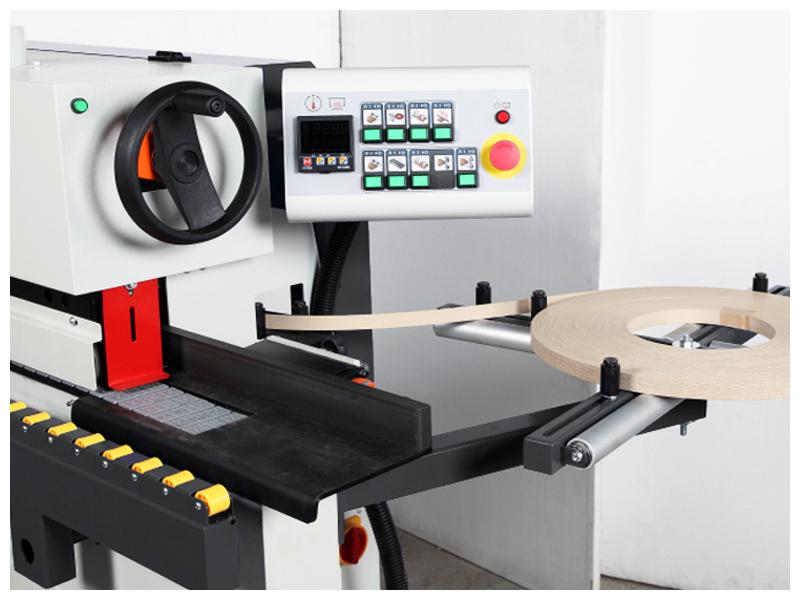
Edgebanding can make or break the quality of your cabinetry. From protecting raw edges to giving drawers and cabinets a polished, professional look, the right edgebander can significantly boost your shop’s efficiency and craftsmanship.
Edgebanding is the process of sealing the exposed, rough edges of panel materials (like plywood or MDF) with a thin strip of material (veneer, PVC, ABS, etc.) using adhesive. This seemingly simple step has huge benefits for cabinet makers:
Durability: Edgebanding protects the substrate from moisture and wear, prevents chipping and delamination, ensuring cabinets withstand daily use.
Appearance: A well-banded edge gives cabinets a clean, continuous look, hiding the unsightly raw core of panels.
Safety: Smooth, banded edges eliminate sharp or rough surfaces, meaning no splinters or sharp corners – safer for both craftsmen and end-users.
Value: Quality edgebanding signals craftsmanship. Homeowners and commercial clients notice the details.
Edgebanding basics
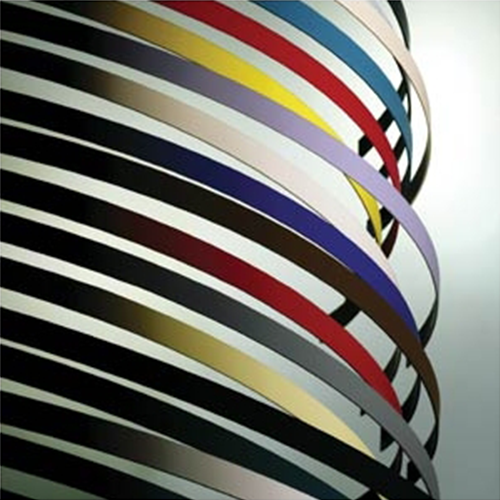
Common edgeband strips include PVC and ABS plastic, which are durable and come in many colors/finishes, and wood veneer strips for a natural look. Thickness ranges from thin 0.4mm tape up to 3mm or thicker edges (for impact-resistant edges or decorative wood strips).
Most edgebanders use hot-melt glue. EVA (ethylene-vinyl acetate) glue is common as it’s affordable and easy to work with. PUR (polyurethane) glue is a premium option; it forms an ultra-strong, water-resistant bond and remains heat-resistant (great for kitchen cabinets). But PUR requires more care as the glue can set inside the machine if left idle too long. Hybrid glue pot systems allow switching between EVA and PUR, and can sit idle up to 4 days with PUR without needing cleaning.
In small shops, some still use iron-on or hot air hand tools for pre-glued banding — but these are slow and prone to errors. Modern shops rely on edgebanding machines, which automate the process: They apply glue (or heat pre-applied adhesive), press the banding on, trim the excess, and even finish the edges (flush trimming, scraping, buffing) in one pass. Investing in an edgebander greatly improves consistency and throughput, letting one operator do in minutes what used to take hours by hand.
Edgebander technologies
Edgebanders come in a few technological flavors. Understanding these will help you pick a machine that aligns with your shop’s production goals.
Glue pot edgebanders use a glue pot system. A built-in pot heats granules of hot-melt adhesive (EVA or PUR) and applies a controlled amount of glue onto the edge of the panel or the banding. The banding is pressed on, then excess is trimmed. Glue pot edgebanders are popular because they are reliable, versatile, and proven. They can work with many edge materials and thicknesses, and range from entry-level manual machines to fully automated production lines.
In the last decade, hot-air edgebanding has gained popularity as a way to achieve a “zero glue line” seam without using traditional glue. These systems use specialized edgebanding tape that has a pre-applied functional layer. Instead of melting glue from a pot, the machine blasts hot air (at very high temperature and pressure) to melt the thin adhesive layer on the tape just as it’s pressed to the panel. The result is a virtually invisible joint – no discernible glue line at all.
Laser edgebanding is another invisible seam technology, used mostly in high-end industrial settings. Instead of hot air, a laser (or infrared heat source) melts the adhesive layer on specialized edge tape. Brands like Homag (with LaserTec), Holz-Her (with Ltronic infrared system), and others pioneered this approach. Laser edgebanders typically produce the very best zero-edge quality and can run extremely fast, but they come with a high cost. They also require precise setup and usually are found in larger production lines.
Choosing an edgebander
Here’s a quick guide to choosing an edgebander for your shop.
Small shop: If you have limited space and budget but need to improve quality and efficiency over manual edge methods, start with a portable or entry-level automatic edgebander for low volumes or curved pieces.
Medium-sized cabinet shop: If your shop is doing moderate volume (e.g., 1–2 kitchens per week) or you need to handle varied projects (0.5mm–3mm edges) while reducing manual post-processing, you should look at mid-range automatic edgebanders with pre-milling, corner rounding, and digital controls for quick changeovers.
High-throughput commercial shop (Industrial Production): If your shop has high volume production, tight deadlines, and needs absolute consistency, if your machines must run all day (possibly two shifts) with industrial durability, then you need to look at heavy-duty automatic edgebanders with advanced capabilities (multi-motors, scraping, buffing). These machines support hot-air or PUR for invisible seams. Or even laser edgebanding might be for you.
Upgrading your edgebanding process is one of the smartest moves for a cabinet shop owner looking to scale up or stand out. Whether you’re a small shop tired of ironing on tape or a larger operation ready to eliminate bottlenecks, there’s a solution that can meet your needs. Finally, consider reaching out to machinery experts for guidance.
Source: Wurth Machinery Division. For information call 866-380-6348 or visit WurthMachinery.com.


Have something to say? Share your thoughts with us in the comments below.