

There are two tree species that are called white-cedar. Northern white-cedar (Thuja occidentalis), also called arborvitae or just cedar, grows from Quebec to Maine to New York and westward to Minnesota as well as down the Appalachian Mountains from Pennsylvania to Tennessee. Atlantic white-cedar (Chamaecyparis thyoides), also called southern white-cedar and boat cedar, grows in swamps in the coastal regions from Maine to Florida. Northern white-cedar lumber is manufactured primarily in the Lake States; Atlantic white-cedar in the Carolinas and Gulf States.
The two species are not closely related, but sometimes are grouped together as the properties are almost identical. The lumber is highly resistant to decay and insects. The surface is fairly soft, and the overall strength is fairly low, compared to other domestic species.
In the past, these two species were used for tight cooperage (holding liquids), boat building (northern white-cedar is still a popular choice for canoe ribs), fences and tableware. Northern white-cedar also is used for cabin logs; Atlantic white-cedar is used for furniture. They both work easily.
Northern white-cedar is one of the primordial trees of the Ojibway. Honored with the name Nokomis Giizhig or Grandmother Cedar, Native Americans used the leaves and twigs to treat malaria, coughs, gout, and rheumatism. This purported medical benefit is most likely the origin of the term arborvitae (tree of life) used for this species. The leaves are also reportedly high in vitamin C.
Cedar leaf oil is distilled from boughs and used in medicines and perfumes. The oil is also supposed to help reduce hair loss. (Even if it doesn’t work, you sure will smell nice!).
Processing suggestions and characteristics
Density. The density at 9% MC is approximately 20 pounds per cubic foot. A board foot of 4/4 dried (9% MC) and planed lumber (3/4-inch thick) will weigh only about 1-1/4 pounds. This is the lightest weight native American species.
Drying. The wood is very easy to dry without many defects. However, if dried under 9% MC or dried at over 180F, the wood will become quite brittle, which will lead to splits when machining. This brittleness cannot be removed by increasing the MC after drying is complete. Shrinkage in drying is 3% maximum.
Gluing and machining. This is one of the easiest woods to glue and is quite forgiving if gluing parameters are not perfect. Aged surfaces may have a slight oil accumulation, so always use freshly prepared surfaces. Machining is very good, although the softness of the wood means that machine pressures must not be excessive. Planer splits and other machining defects can be common if overdried.
Stability. Extremely stable, it takes over 6% MC change to result in a 1% size change in the tangential direction (the width of a flatsawn piece of lumber) and a 12% MC change in the radial direction.
Strength. The ultimate strength (MOR) is 6,500 psi, the elasticity (MOE) is 800,000 psi, and the hardness is 320 pounds. Screw, staple and nail holding is quite low.
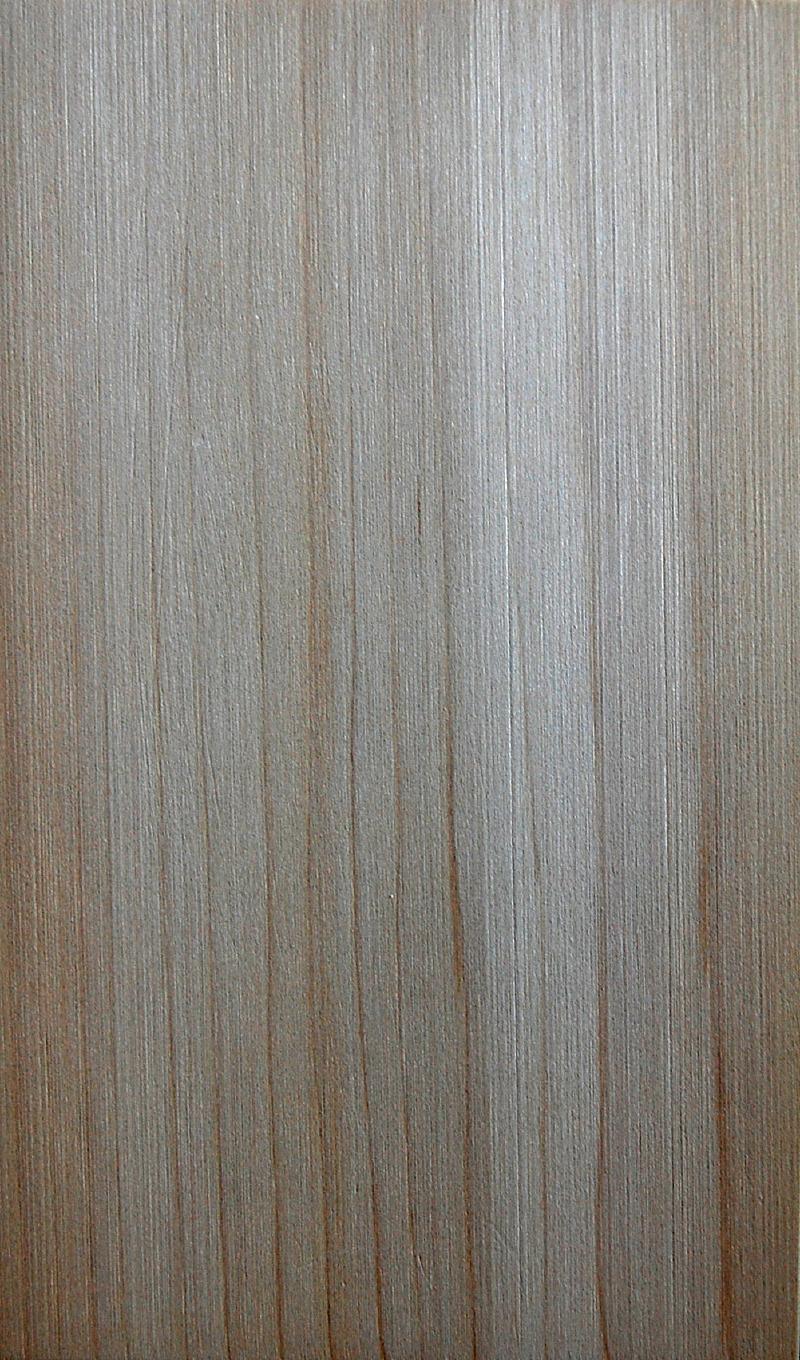
Color and grain. The wood is light brown, perhaps with a little reddish color. The grain is even and fine, with a little oily feel at times.




Have something to say? Share your thoughts with us in the comments below.