

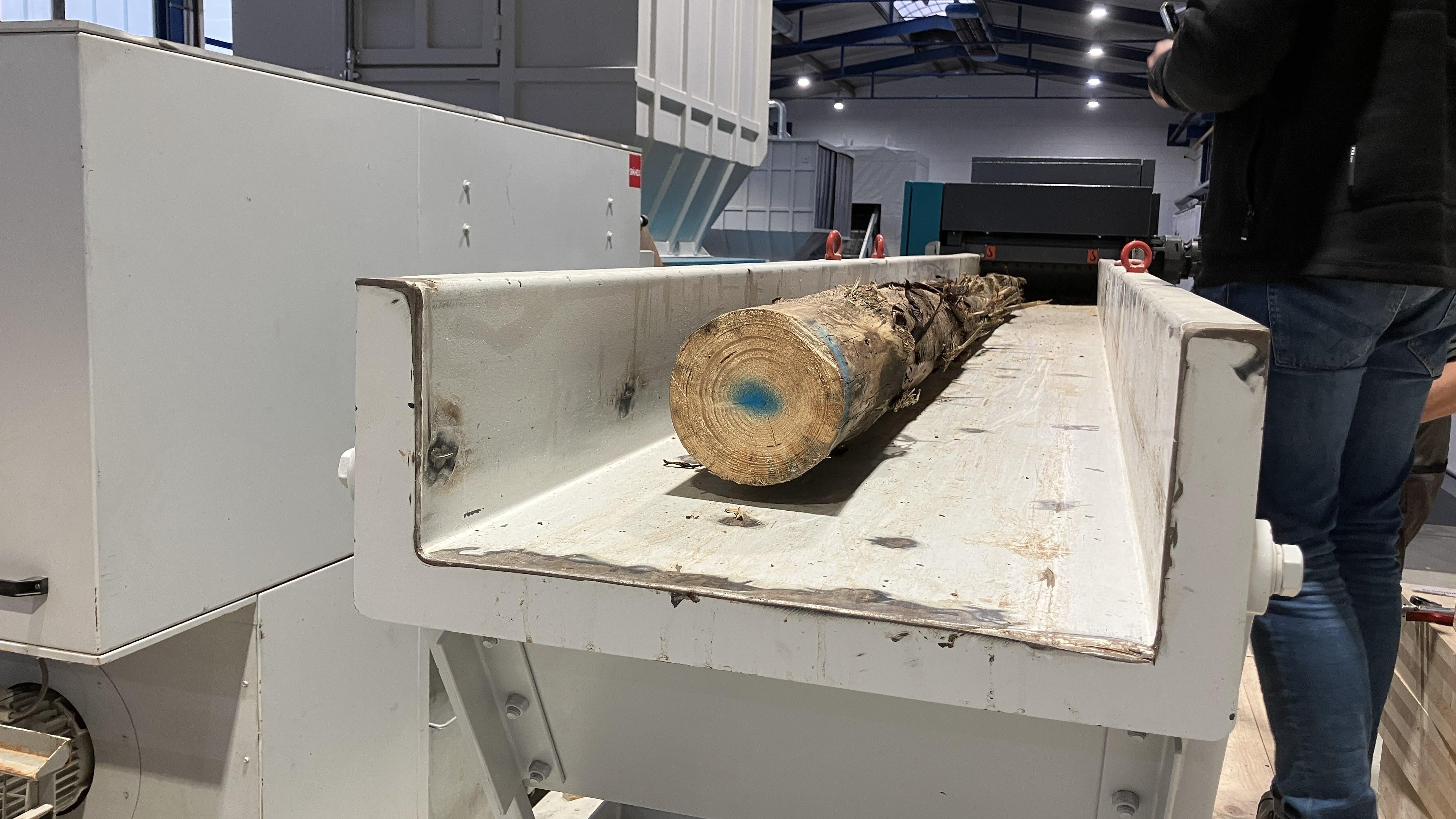
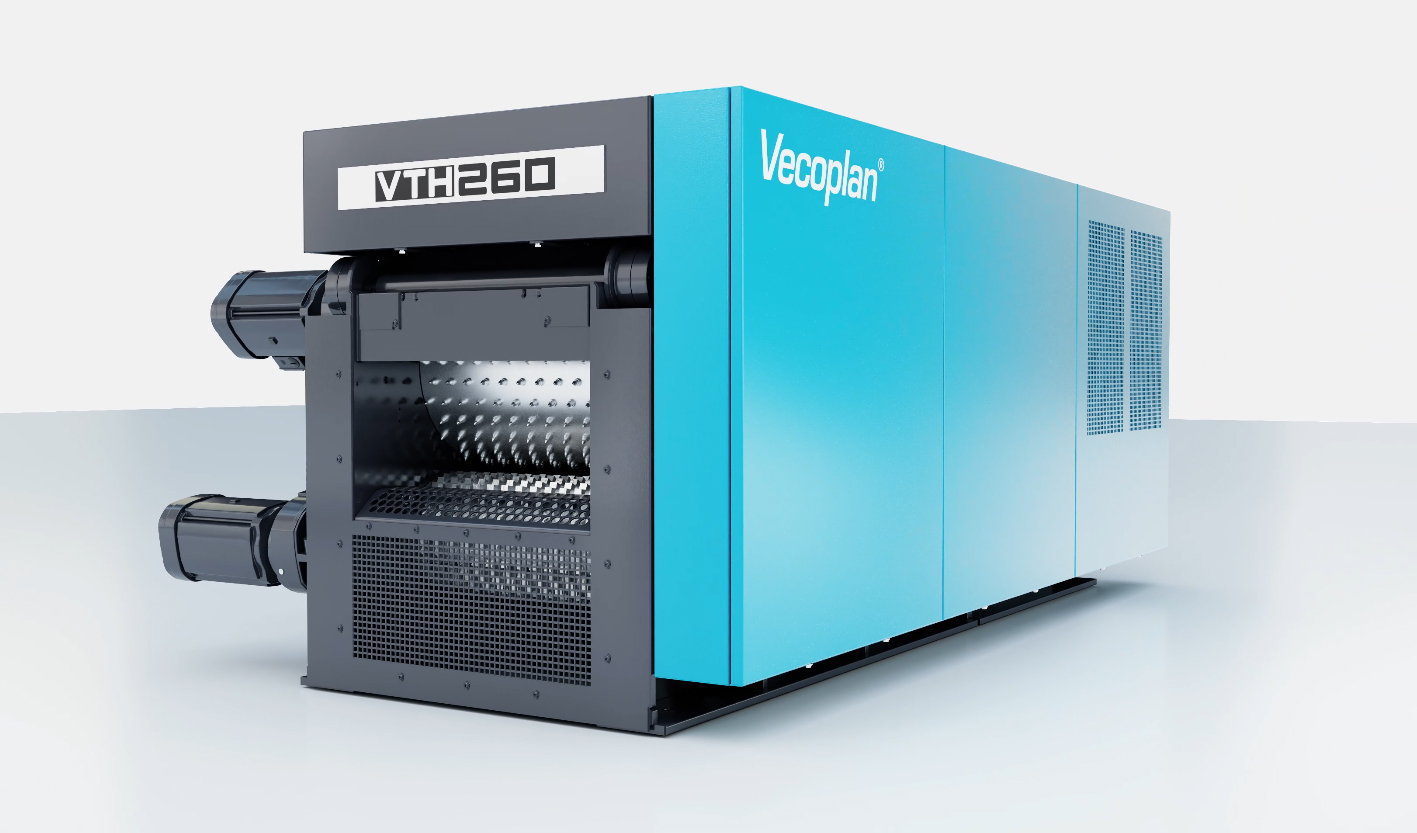
The latest generation of VTH horizontal grinders is now available with the introduction of the VTH 160 and VTH 260 models. These machines span and increase the full performance range of their predecessors, accommodating an intake height of up to 10 ¼ inch (260mm) and a width of up to 51 inches (1300mm), while offering a modern design and technical enhancements aimed at improving both efficiency and user convenience.
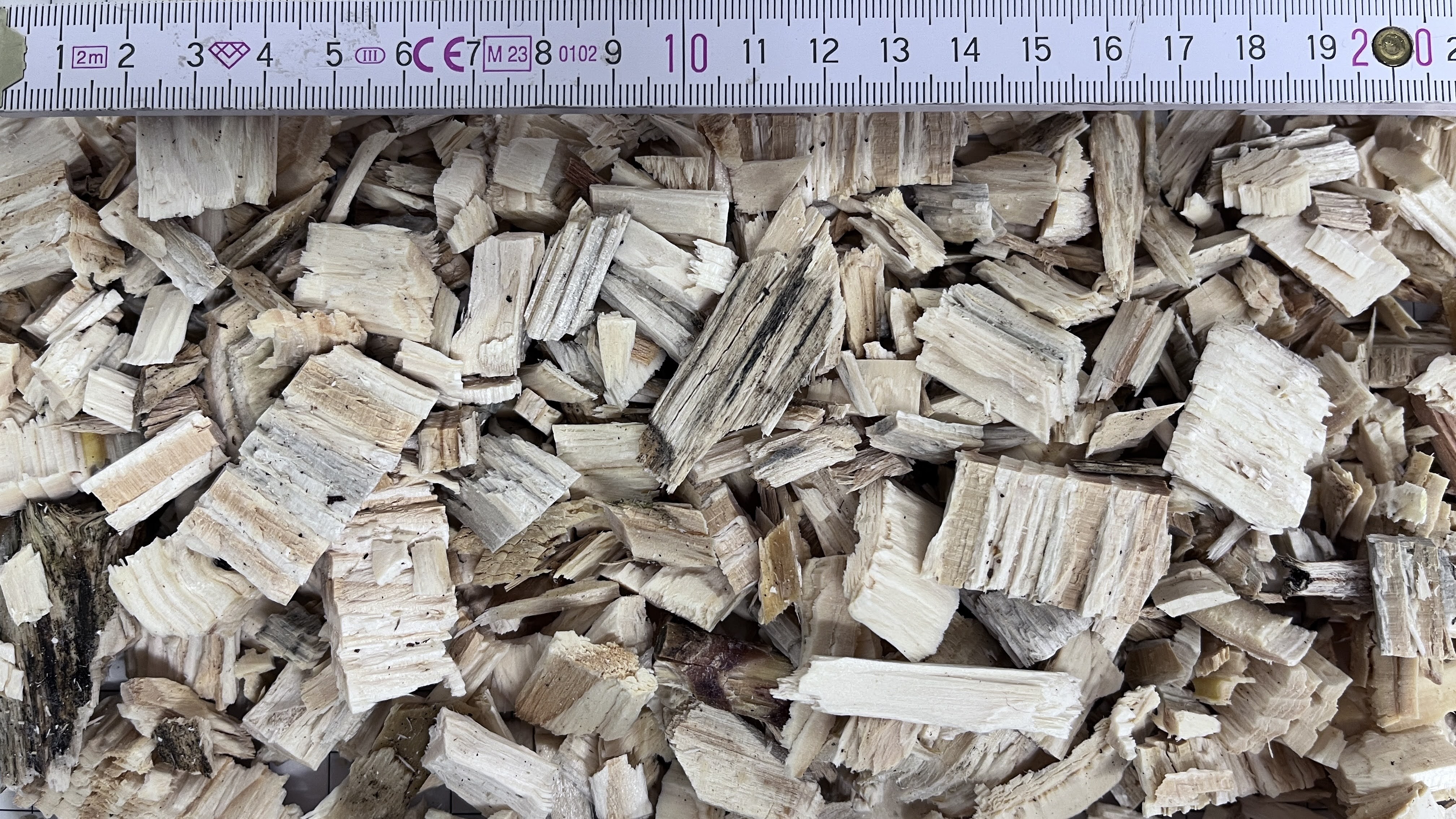
The VTH series transforms sawmill and secondary wood waste into high-quality, uniform chips that feed pellet plants, biomass facilities, and countless other downstream applications. The new generation sets higher standards for flexibility, serviceability, and performance, all in a modernized design.
Features raise the bar
The introduction of the VTH 160 and VTH 260 models represents more than a routine upgrade. The increased intake heights up to 10 ¼ (260 mm) previously required multiple models and does so without compromising output. The redesign focuses on reengineering the chipper for today’s leaner, more demanding operations.
“For us, it was important that the new drum chippers retained the proven functions of our previous VTH series. Changing cutters, counterknives, and cutting knives, for example, remains as easy as ever. The new design also makes it much easier to replace consumable wear parts,” explained Kersten Beib, director of sales in Vecoplan’s Wood/Biomass division. “At the same time, we also want to enable our customers to configure the machine much more flexibly.”
Real-world wood processing
Turning wood waste into clean, uniform chips is rarely straightforward. The feedstock varies, material quality fluctuates, and wear is constant. The redesigned VTH series addresses these challenges with improved accessibility, allowing knife and cutter maintenance, as well as wear-part replacements to be carried out more quickly and with less disruption, reducing downtime and keeping productivity on track.
Flexibility remains central to the design. Intake widths from S (18 inch/457mm) to XXL (51 inch/1300mm) allow operators to match equipment precisely to throughput needs. The cutting unit is modular and swappable, enabling operators to adapt to changing production requirements by changing between Vecoplan’s U-Rotor and a drum chipper. Feeding options include horizontal infeed via a vibrating or belt conveyor, with standardized bases simplifying integration into both existing and new layouts.
Energized efficiency with new direct drive
A notable addition to the VTH series is the optional HiTorc direct drive, now applied in high-speed biomass chippers. This gearless system eliminates mechanical transmission components such as belts, clutches, and gearboxes, delivering torque directly to the rotor shaft with minimal energy loss.
Key benefits include:
- Up to 40% less energy consumption compared to traditional drives
- Torque levels up to 80,000 Nm
- Full operational power reached in three seconds
- Idling energy reduced to approximately 10% of that of standard motors
The HiTorc drive adjusts output to suit partial-load conditions—common in daily operations—without sacrificing mechanical efficiency. The absence of belts or gear systems also results in a more compact machine with easier installation, even in space-constrained locations, and reduced foundation requirements.
Step toward the future
While maintaining the rugged reliability expected from this equipment category, the VTH 160 and VTH 260 incorporate modular engineering and high-efficiency drive technology. Suitable for operations ranging from cabinet shops, lumber yards, architectural millwork producers, and large flooring plants to sawmills and biomass power plants, they are designed to deliver performance, ease of maintenance, and lower operating costs.
In an era of higher energy costs and increasing performance demands, the redesigned VTH 160 and VTH 260 reflect how Vecoplan continues to adapt its proven technology to current industry needs. By combining efficient design with long-standing reliability, the company delivers machines that meet today’s performance requirements without compromising the dependability its customers rely on.



Have something to say? Share your thoughts with us in the comments below.