

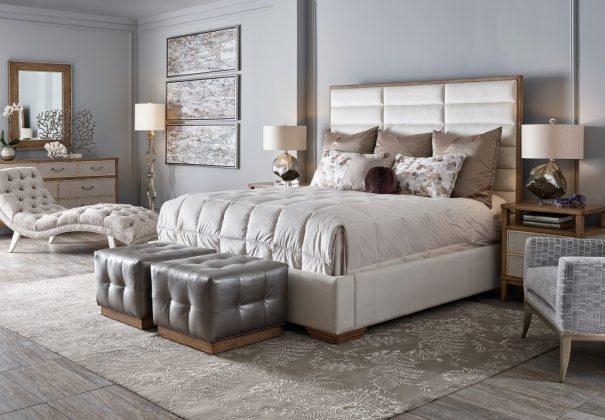
NEWARK, De. — The global luxury furniture market is projected to experience a significant growth trajectory, with its industry value estimated to rise from $25.2 billion in 2025 to $43.4 billion by 2035, expanding at a compound annual growth rate (CAGR) of 5.6%. Fueled by increasing consumer interest in high-end home aesthetics and sustainable craftsmanship, the market is undergoing a transformation shaped by evolving lifestyles, design innovations, and rising disposable incomes.
As affluent homeowners continue to prioritize bespoke interiors and designer furnishings, such as those on tap at ICFF, the demand for luxury home furniture collections—including handcrafted living room sets, bespoke bedroom furniture, and premium office interiors—is experiencing a notable surge. Today’s consumers are willing to invest in custom luxury furniture that blends both functionality and aesthetic value, with an emphasis on quality materials such as Italian leather, solid hardwoods, and rare marble.
Additionally, the growing influence of luxury lifestyle media, celebrity home tours, and high-end interior design influencers has made exclusive furniture brands more aspirational, thus driving consumer interest and purchase behavior across urban markets.
The modern luxury buyer increasingly values ethical production practices and long-lasting design. As a result, eco-friendly luxury furniture made from sustainable resources like reclaimed wood, FSC-certified timber, and low-VOC finishes is becoming a core focus for manufacturers. This aligns with the rise of slow furniture movements, where buyers seek timeless, artisan-crafted pieces over mass-produced alternatives.
In this context, brands that highlight their sustainability credentials and heritage design expertise are witnessing increased brand loyalty and sales. The fusion of environmental consciousness with elite design taste is expected to further reshape product development strategies in the coming decade.
The shift towards digital has revolutionized how consumers shop for high-end furniture. Enhanced online platforms, augmented reality (AR) room planners, and virtual showroom experiences are making luxury furniture more accessible than ever. Industry leaders are investing heavily in immersive technologies to replicate in-store experiences and provide detailed visualization tools to customers.
This digital pivot has enabled luxury furniture retailers to penetrate new geographic markets, including emerging economies where demand for luxury furniture for modern homes is on the rise due to urbanization and a growing middle class.
To read the full report, visit futuremarketinsights.com.





Have something to say? Share your thoughts with us in the comments below.