

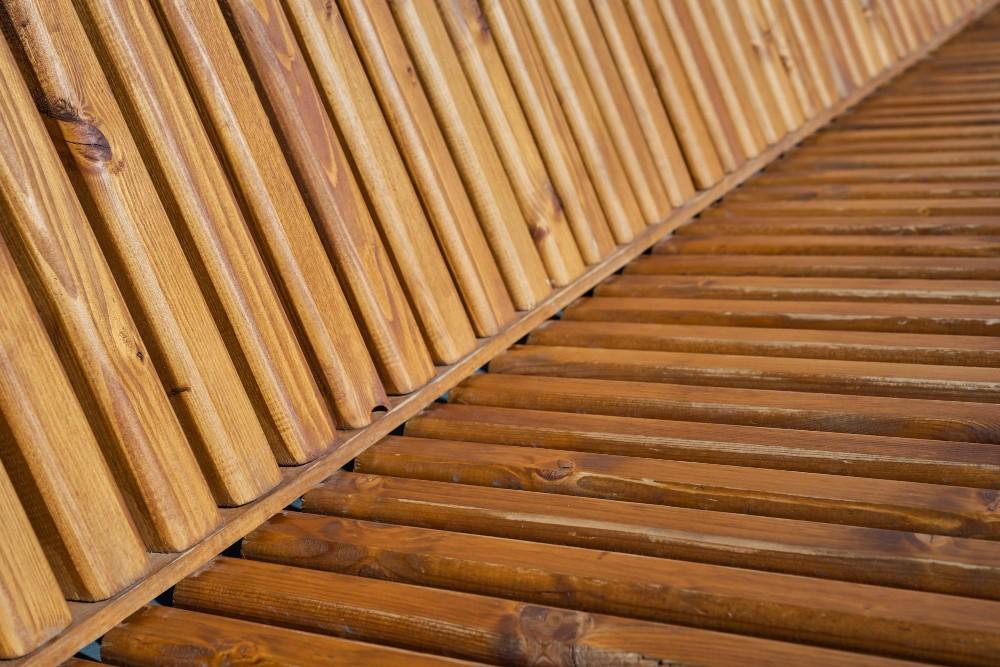
ONTARIO, Cal. — According to latest research by Research Intelo, the global timber decking market size is valued at $9.7 billion in 2024, demonstrating steady growth driven by robust demand across residential and commercial construction sectors. The market is expected to expand at a CAGR of 5.4% from 2025 to 2033, reaching a projected value of $15.5 billion by 2033.
This growth is primarily fueled by increasing investments in housing infrastructure, a rising trend towards outdoor living spaces, and the ongoing shift towards sustainable and eco-friendly building materials. As per the company's latest research, the market is poised for substantial expansion as consumers and builders increasingly favor timber decking for its aesthetic appeal, versatility, and environmental benefits. The timber decking market includes a wide variety of wood types such as pressure-treated wood, redwood, cedar, and tropical hardwoods. These decking materials are used in applications ranging from patios and balconies to pool surrounds and walkways. The growing preference for eco-friendly and sustainable construction materials is fueling the demand for timber decking, especially among environmentally conscious consumers.
Drivers fueling market growth:
1. Rise in outdoor living trends
One of the primary drivers of the timber decking market is the growing trend of creating outdoor living environments. Homeowners are investing in decks as extensions of their living
space, adding features like outdoor kitchens, lounges, and fire pits. This trend is especially prominent in North America and parts of Europe.
2. Preference for sustainability
Consumers and developers alike are leaning toward sustainable materials. Timber, when sourced from responsibly managed forests, serves as a renewable and eco-friendly option. Certifications such as FSC (Forest Stewardship Council) are boosting consumer confidence in timber decking solutions.
3. Residential construction growth
Rising residential construction activities, particularly in developing economies, are playing a vital role in market expansion. Increased disposable income and urbanization in countries like India, China, and Brazil are contributing to the growing demand for aesthetically appealing and functional outdoor spaces.
Challenges restraining the market
1. Weather and pest damage
Timber, especially untreated varieties, is vulnerable to moisture, UV radiation, termites, and rot. These issues often lead to high maintenance costs and shorter product life, which can deter consumers from choosing timber over alternative materials like composite decking.
2. Composite materials
Synthetic alternatives such as PVC and composite decking are gaining traction due to their durability, low maintenance, and resistance to environmental stressors. As these products become more cost-competitive, timber decking faces increasing pressure to retain market share.
Emerging opportunities
1. Technological innovations
Advancements in pressure treatment and thermal modification are enhancing the durability and lifespan of timber products. These improvements are expected to address consumer concerns regarding maintenance and longevity, potentially shifting demand back toward timber.
2. Urban landscaping
Municipal bodies and urban planners are incorporating timber decks into public spaces such as parks, pedestrian walkways, and waterfronts. These initiatives offer fresh growth opportunities for manufacturers and suppliers in the market.
The timber decking market is moderately fragmented, with both global and regional players competing on product quality, sustainability, pricing, and customer service. From this data, the research company notes key players:
· Universal Forest Products, Inc.
· DuraLife Decking and Railing Systems
These companies are investing in product innovation, green certification, and supply chain optimization to maintain competitiveness.
Outlook
The global timber decking market is set for continued expansion, with a projected value of USD 15.5 billion by 2033. This trajectory is supported by shifting consumer preferences, sustainability trends, and technological enhancements. However, market players must address durability concerns and highlight the environmental advantages of timber to stay relevant in the face of increasing competition from synthetic alternatives. Source: https://researchintelo.com/report/timber-decking-market




Have something to say? Share your thoughts with us in the comments below.