Morpho, a furniture line by musical festival Tomorrowland, that emphasizes harmony in nature.
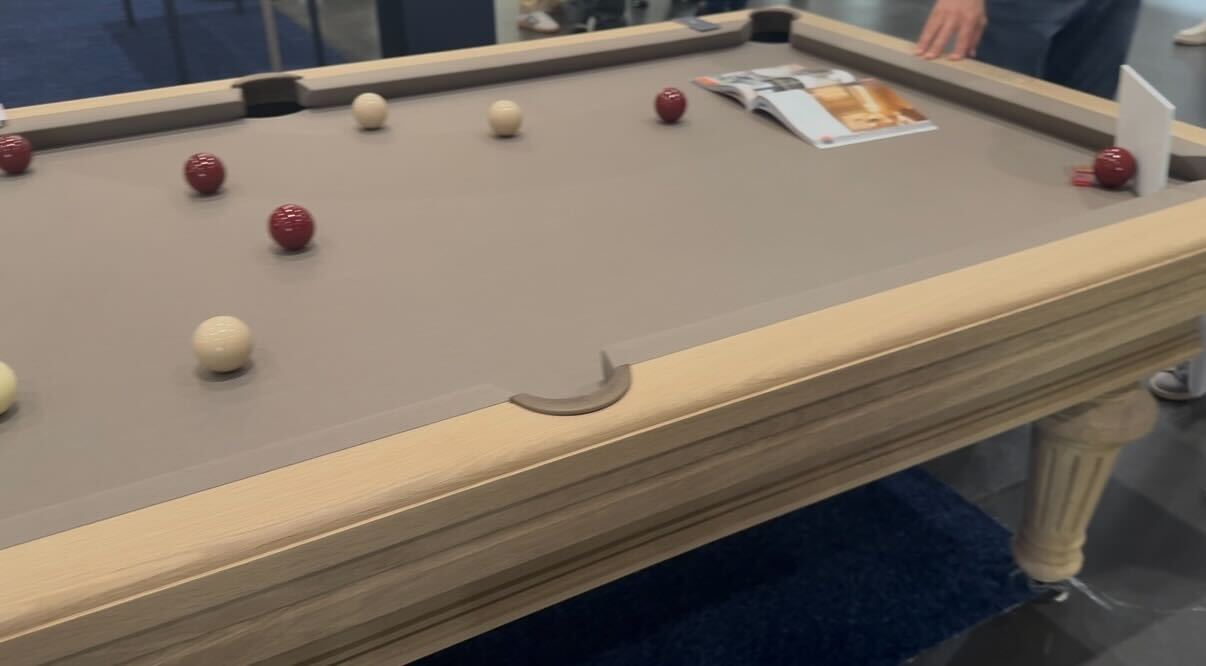
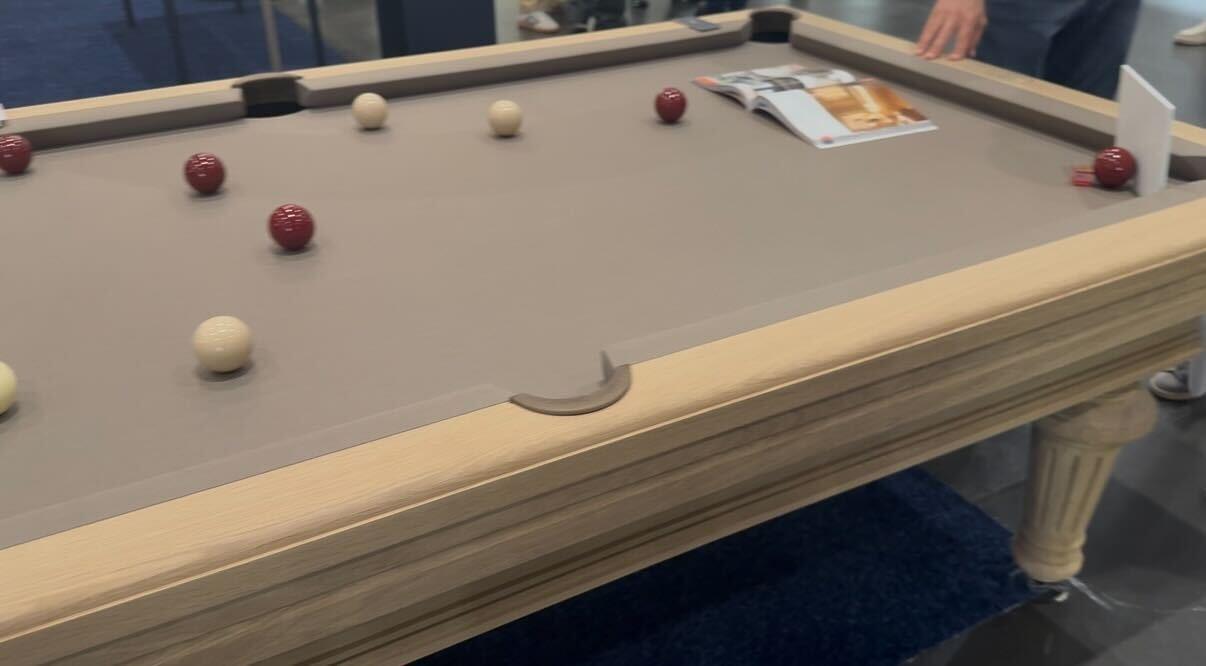
A hardwood billiard table that made heads swivel at The French Art of Making design center, one of many country exhibits at the fair.
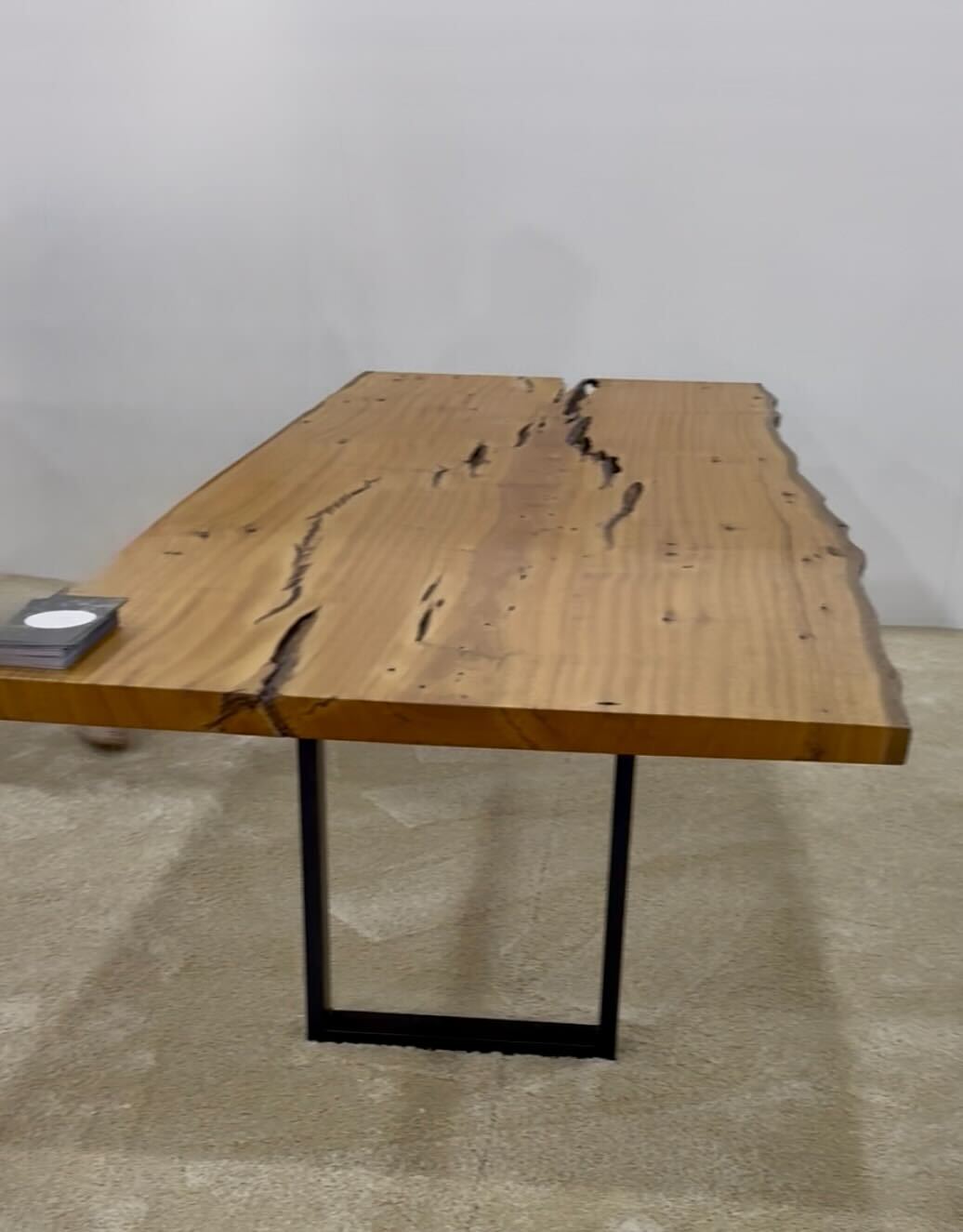
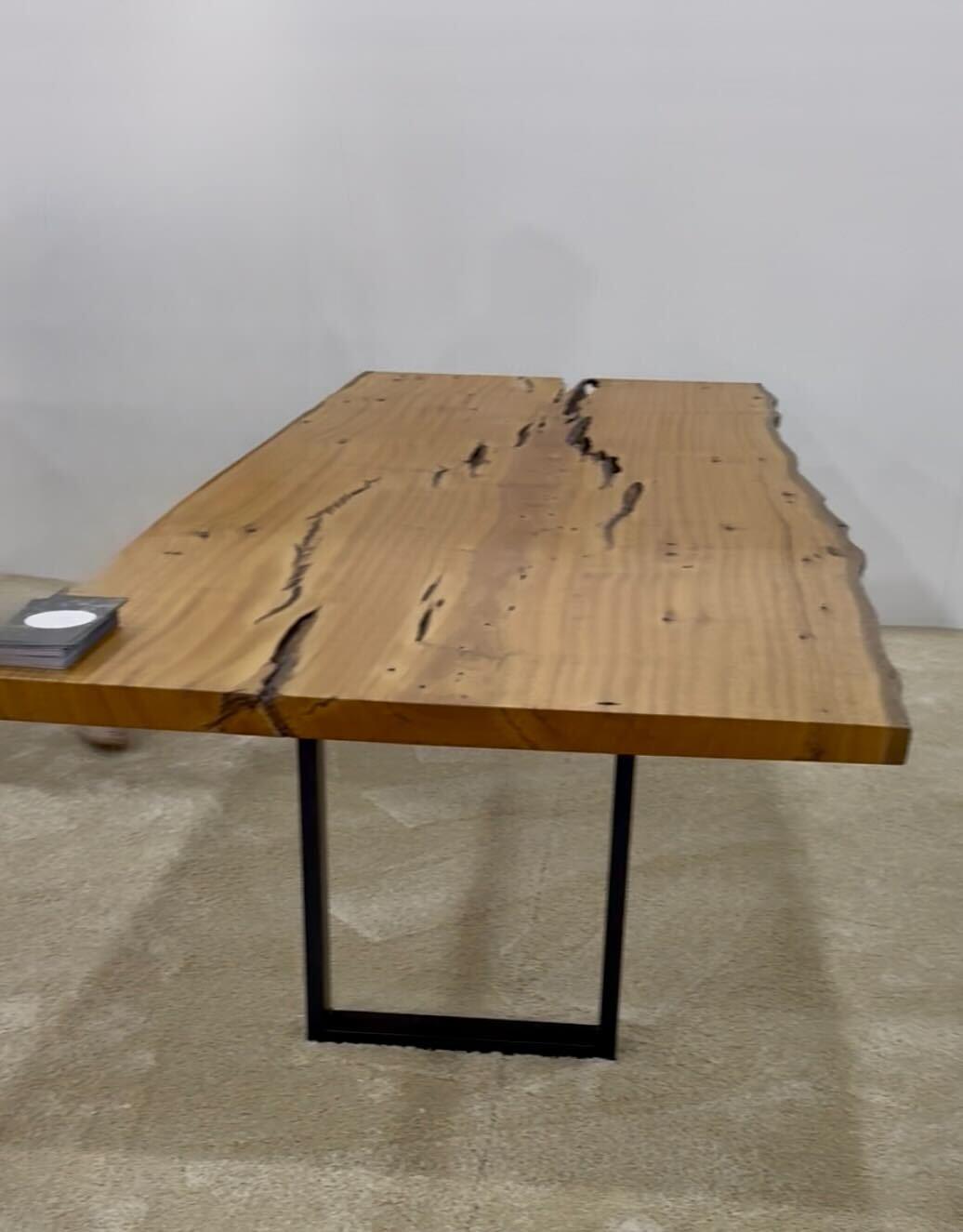
Arboreal's live edge tables from Brazilian forests.
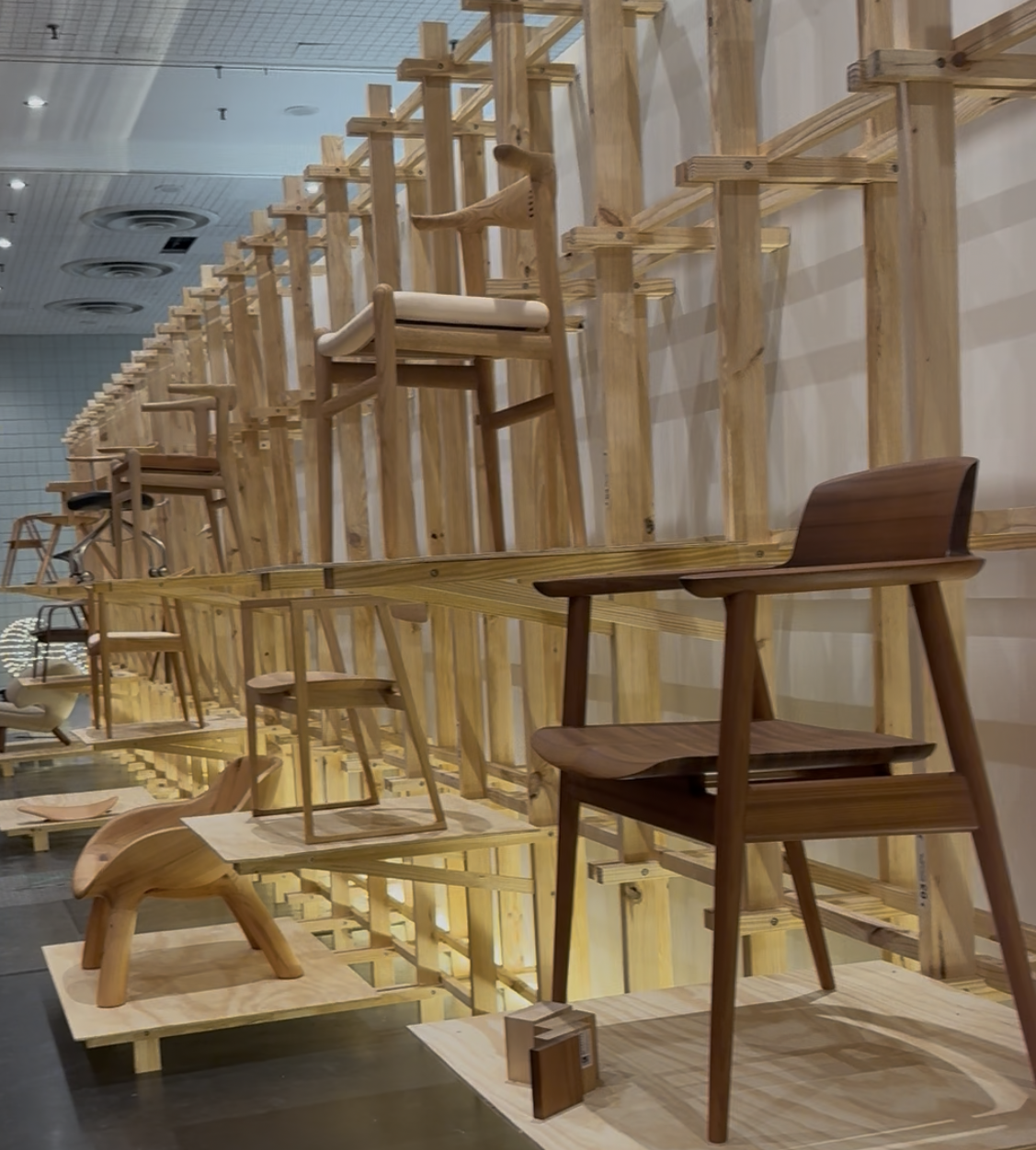
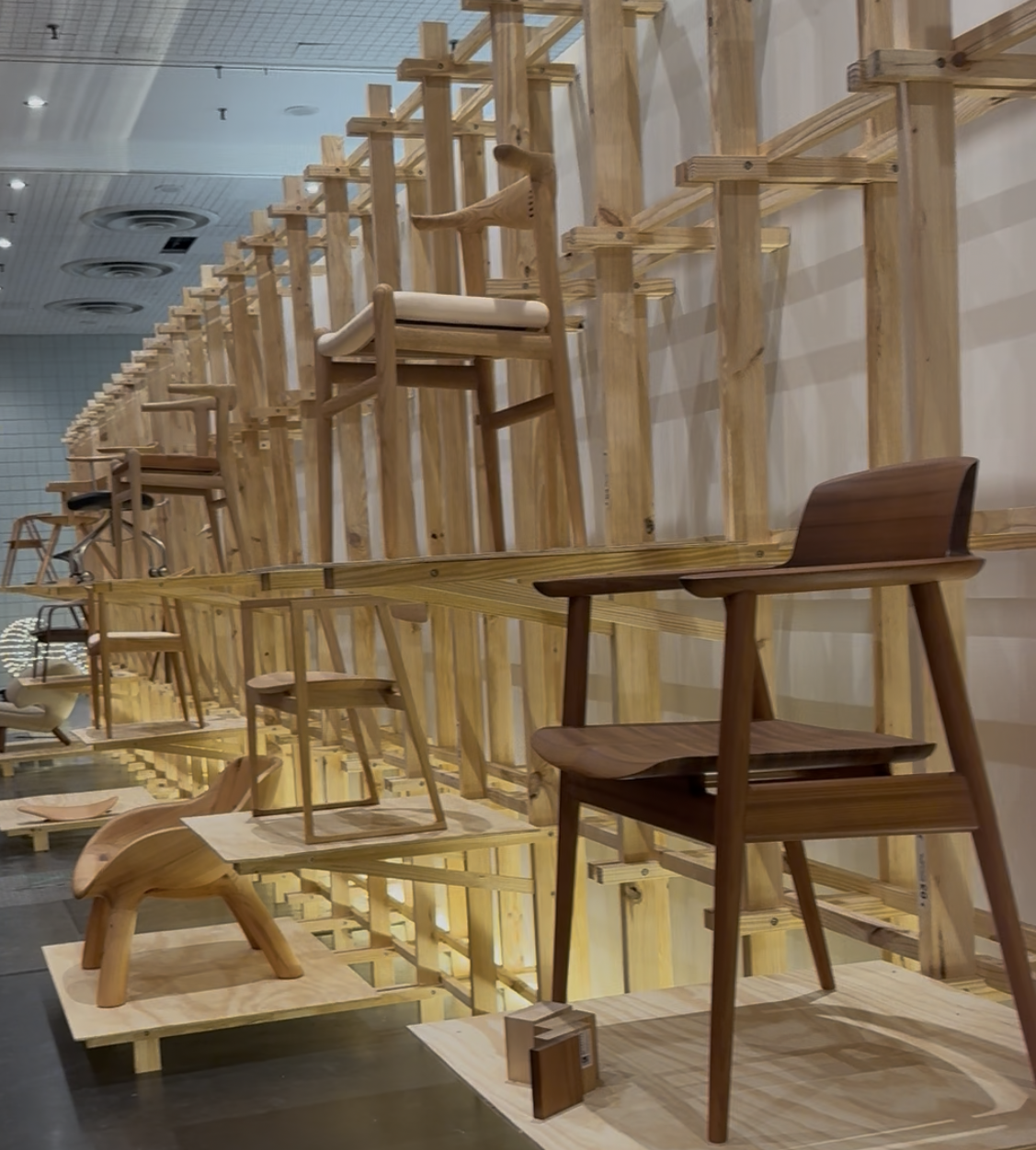
"From forest to furniture" chairs by Rarify, a display of sustainability and contemporary furniture.
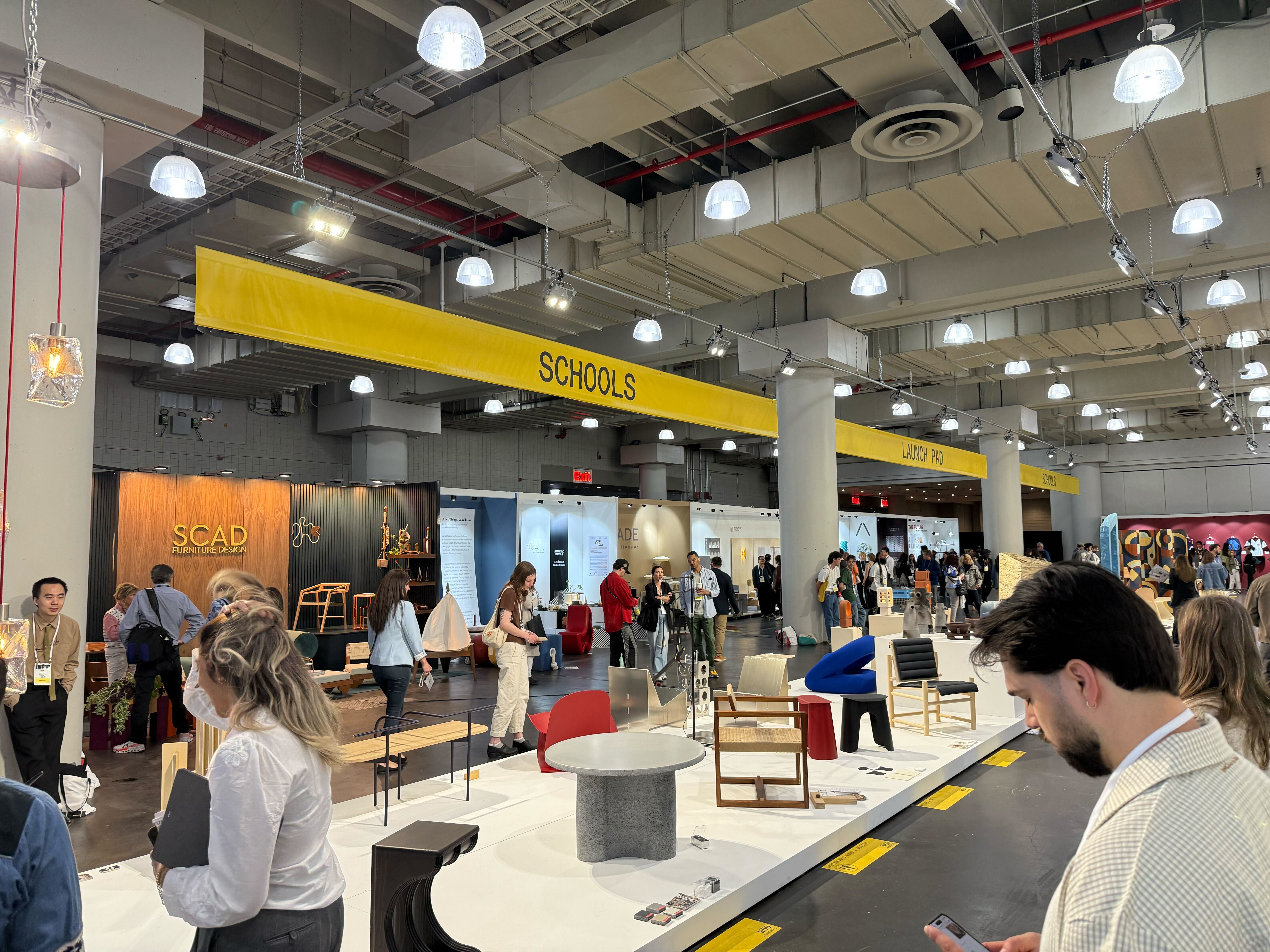
Design Schools Workshop provided a platform for both American and international schools to present their projects to a broad audience. This workshop enabled students to receive valuable feedback from industry professionals and facilitated connections that could influence their future careers. The event emphasized the importance of fostering young talent and integrating academic projects with real-world industry insights.
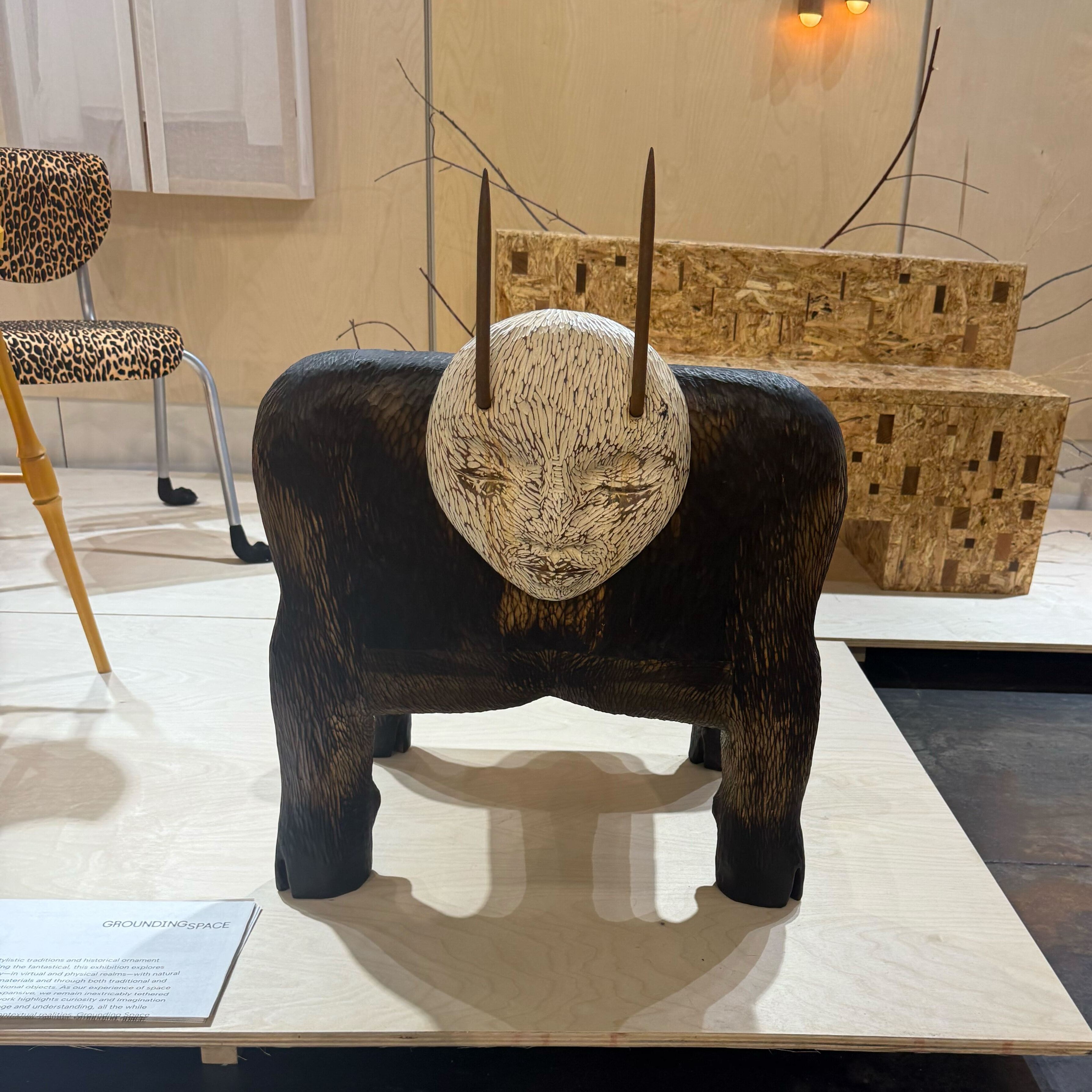
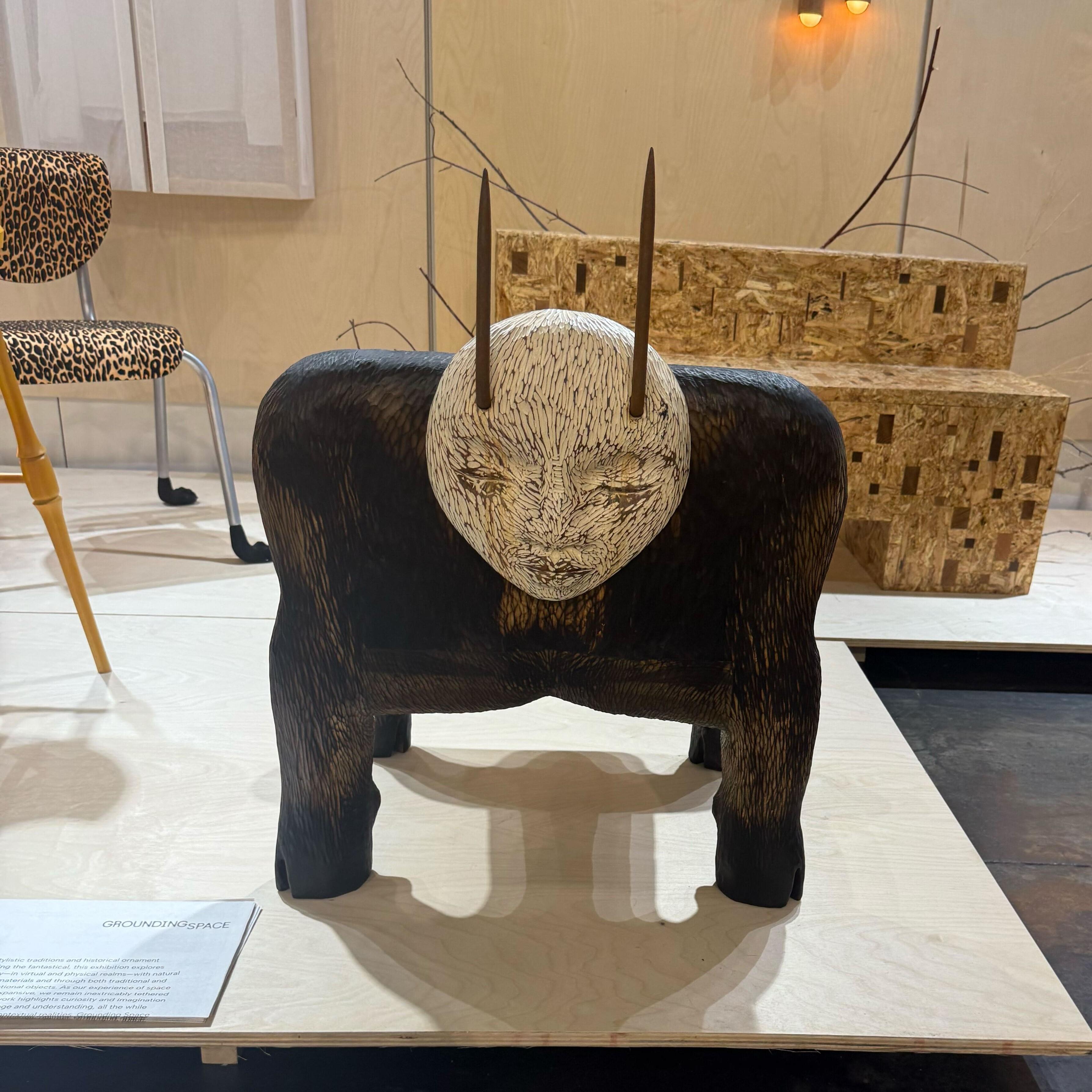
Rhode Island School of Design brought hand-carved chairs and woodworking ideas to live on the showroom floor.
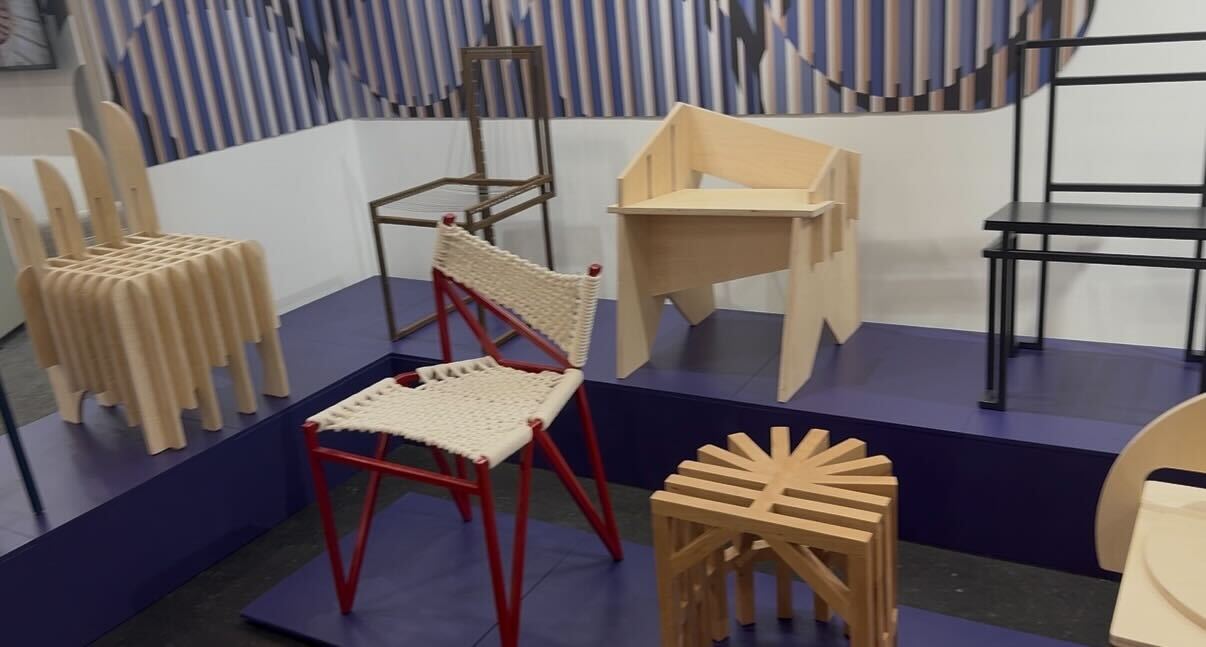
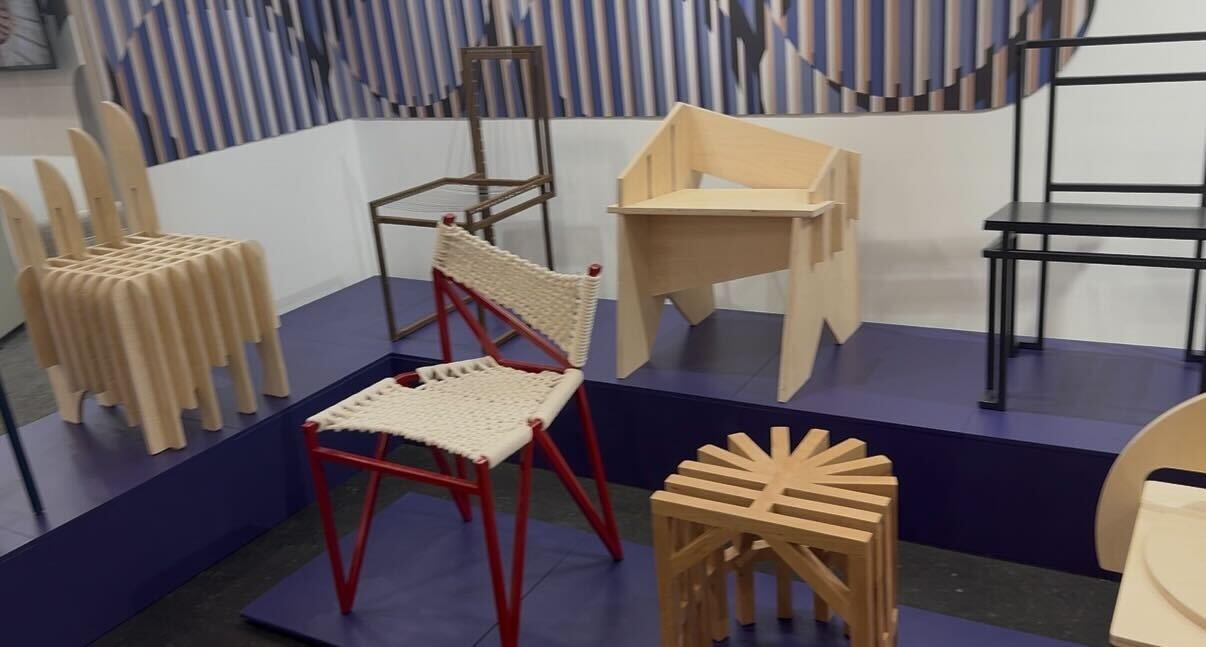
Snapshot of these chairs that were 3D-desiged by University of Iowa students.
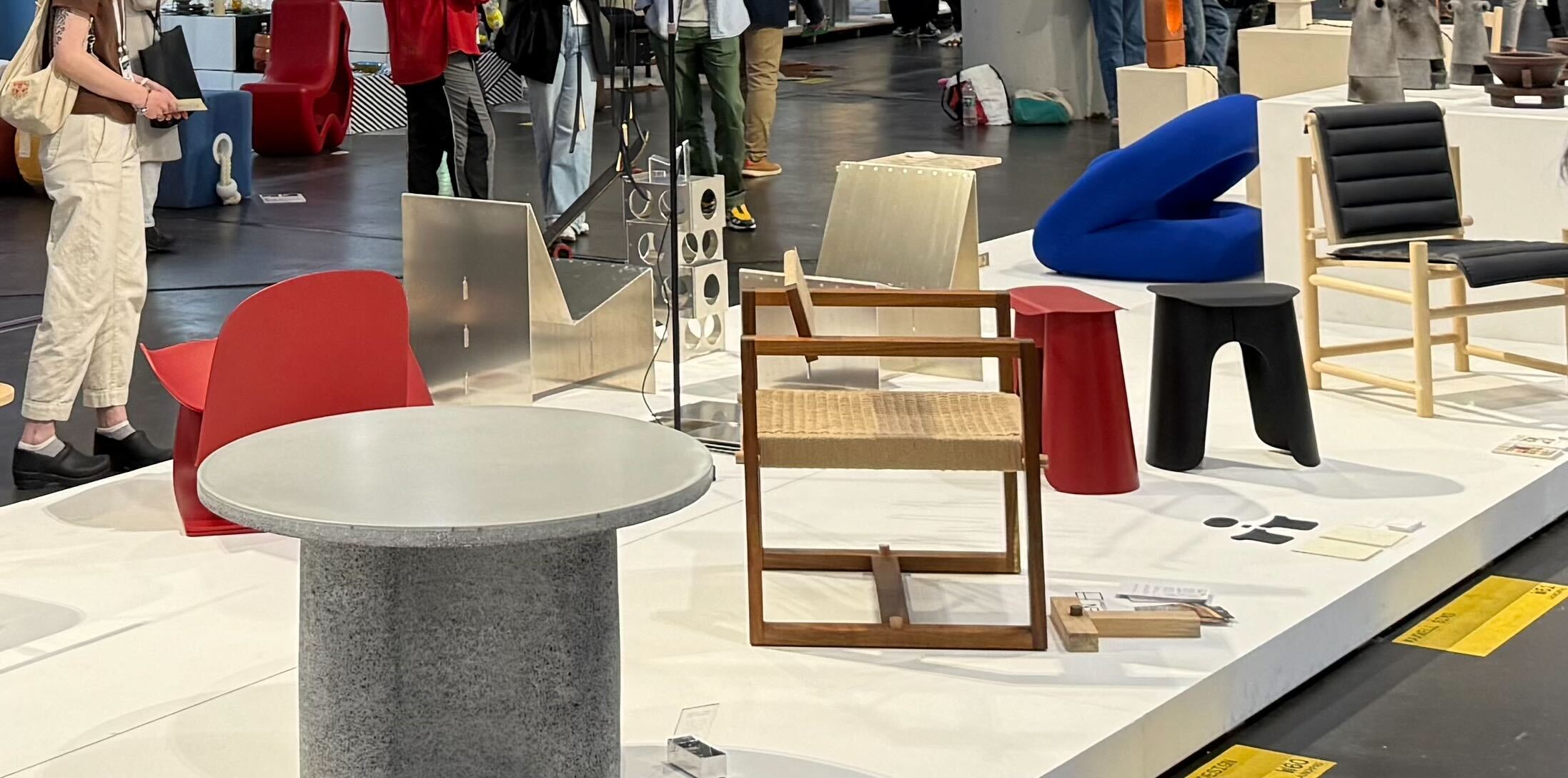
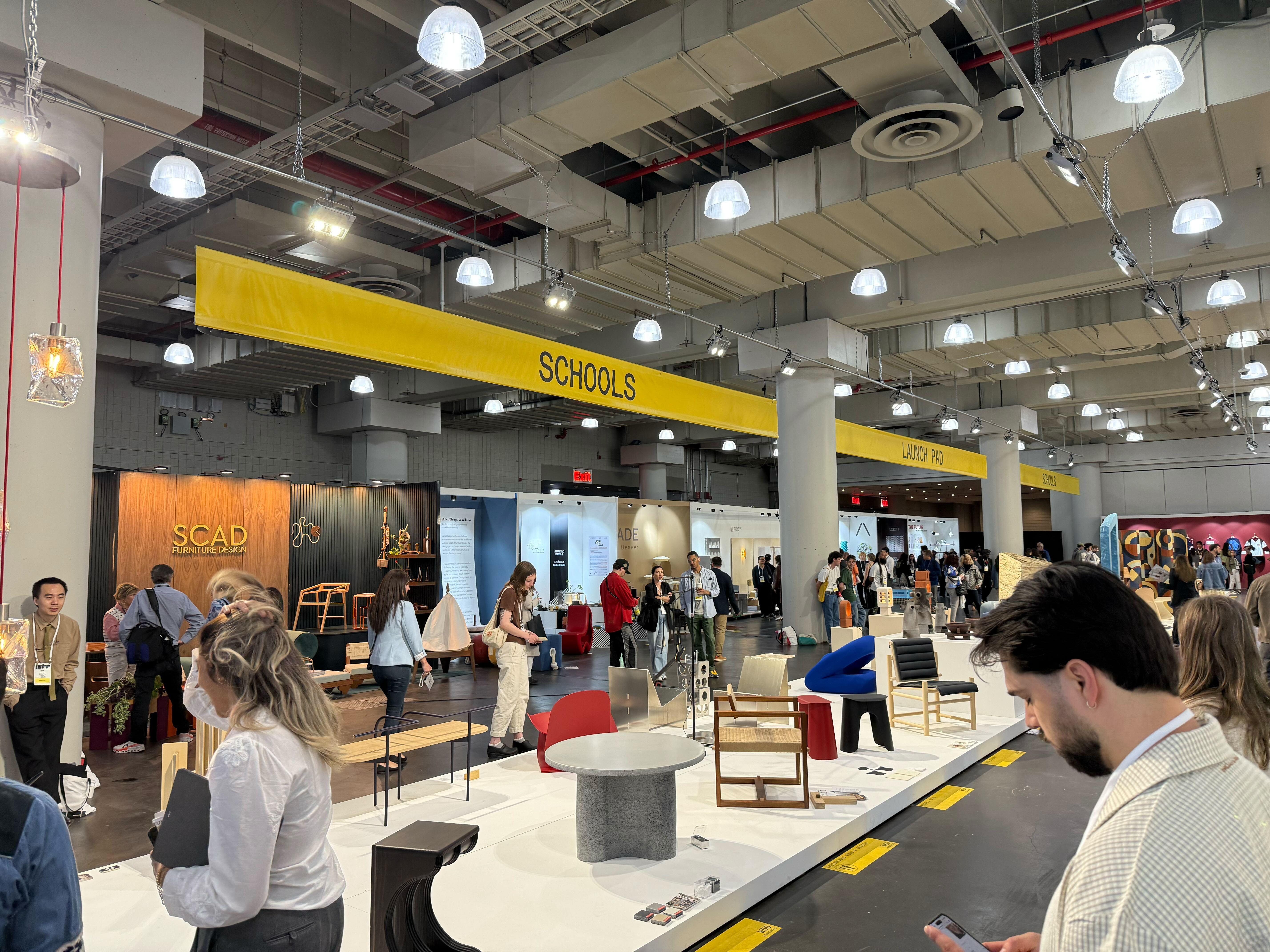
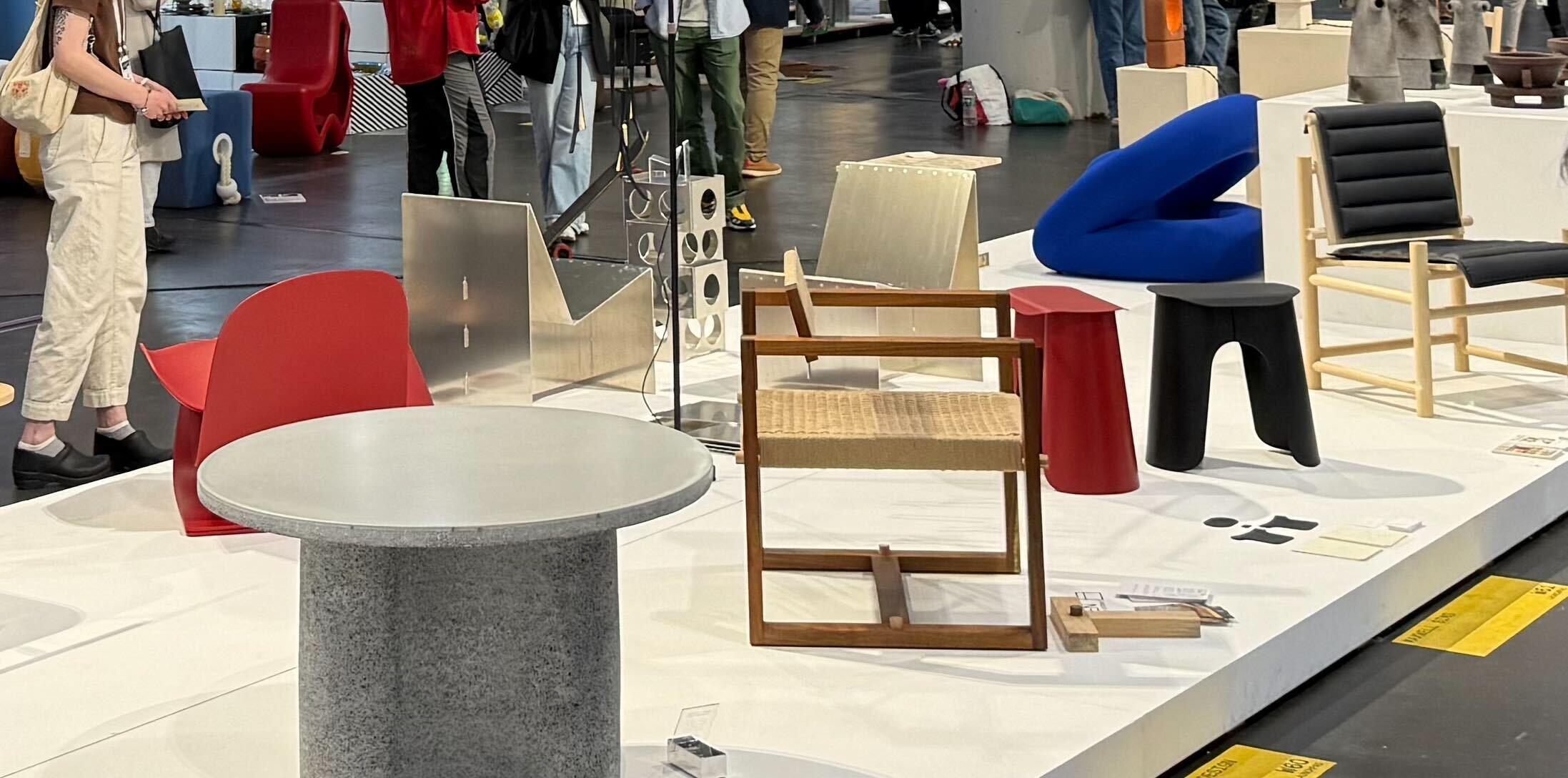
Launch Pad designs, ranging from steel, woodworking, and a mix of materials that designers hoped would make an impact on industry leaders.
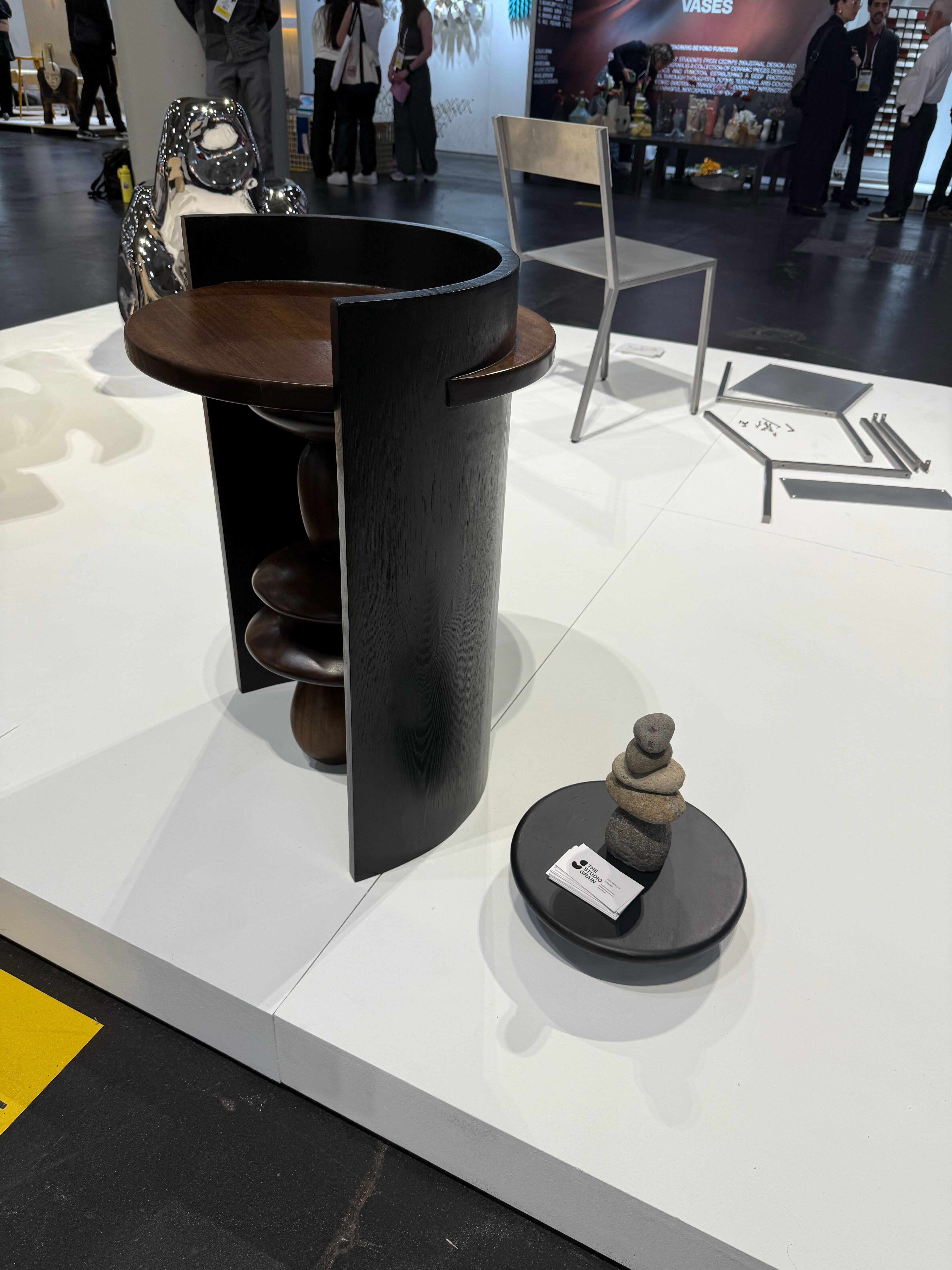
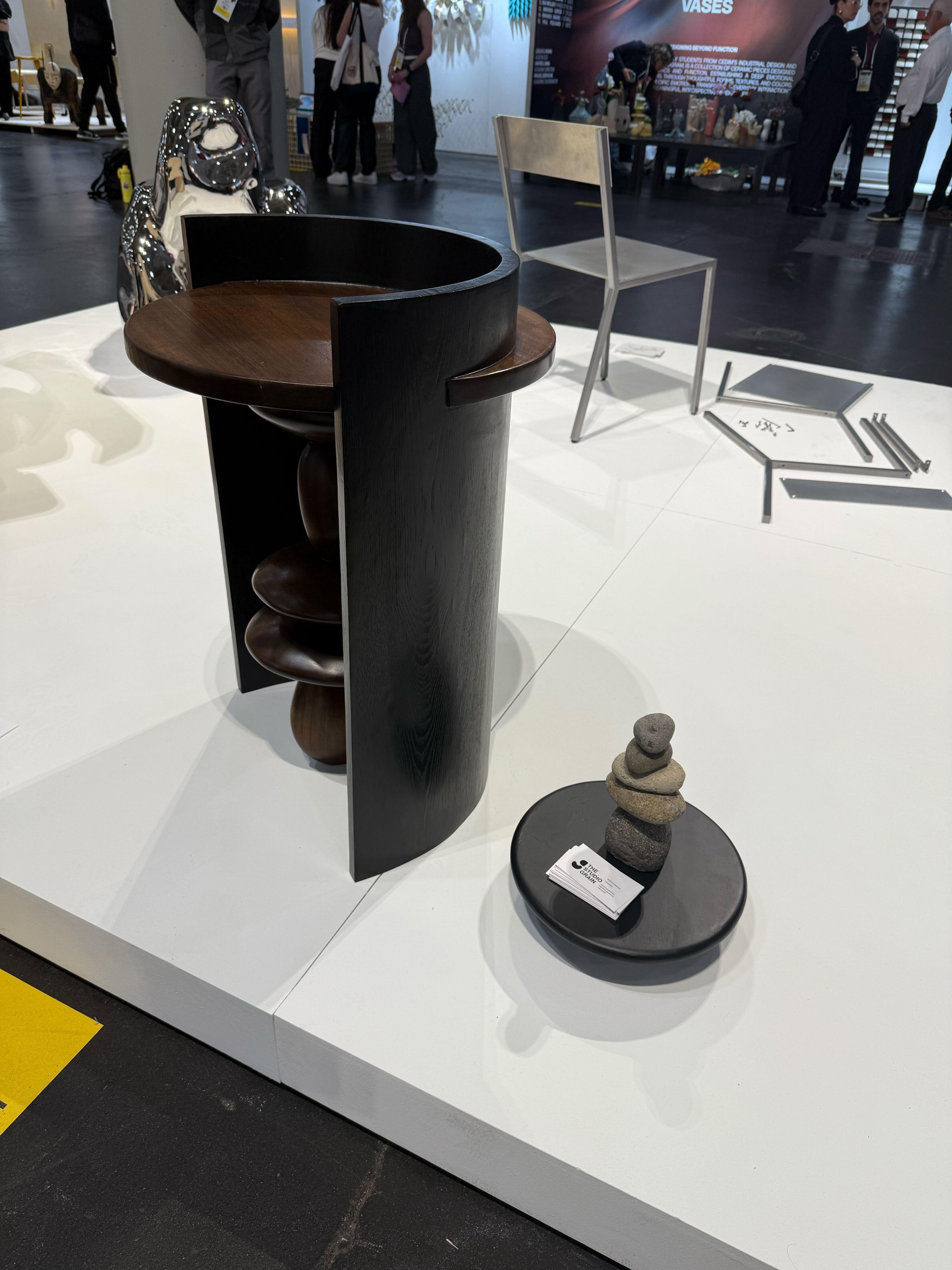
"Balance", a standout design by new furniture designers, The Studio Grain. Launch Pad included over 60 emerging designers who introduced innovative concepts, giving national and international designers a chance to discover fresh ideas.

NEW YORK — At the International Contemporary Furniture Fair, held May 18-20 in New York, furniture designers and artisans come together on the Jacob K. Javits showroom floor to connect, network, and converse about the future of interior design and the human connection to designed spaces.
This year's theme was "Designing in Harmony", which emphasized human-centered & technology-driven design across various cultures, countries, and design approaches. The event hosted more than 450 exhibitors and 12,000 attendees from 35 countries, featuring curated collections tailored for residential, contract, and hospitality environments.
From Brazilian live-edge tables and French hardwood billiard tables, to U.S.-designed outdoor kitchens and Romanian solid wood furniture, ICFF brought together leading companies and emerging designers at the ICFF Talks in the Oasis Room, the Main Stage, Recharge Lounge, and Bespoke Salon. Discussions between executives, attendees, and exhibitors ranged from sustainability practices and the future of interior design with emerging AI, to tariff uncertainty and how to define your voice through style.
One thing all exhibitors agreed on was the use of eco-friendly practices. Exhibitors demonstrated how beautiful and functional products could be created from materials that might otherwise have gone to waste. The narrative around material sourcing and usage was not just about aesthetics but also about accountability and responsibility.
For its 2025 edition, the fair bestowed multiple awards upon exhibitors and new designers, including the Editors Awards, Best of Students, Best of Schools, and Best of Launch Pad. The fair highlighted a fundamental shift that is reshaping the industry. The commitment to eco-friendly practices and seamless integration of technology and craftsmanship set a new standard for what the contemporary furniture industry can achieve. The success of this year’s ICFF serves as a beacon for future events, encouraging continued innovation, collaboration, and dedication to a cleaner future.
The fair has already announced that next year's show will take place May 17-19, at the Javits Center.
Dakota is an assistant editor at Woodworking Network, avidly exploring the woodworking industry.
Have something to say? Share your thoughts with us in the comments below.