

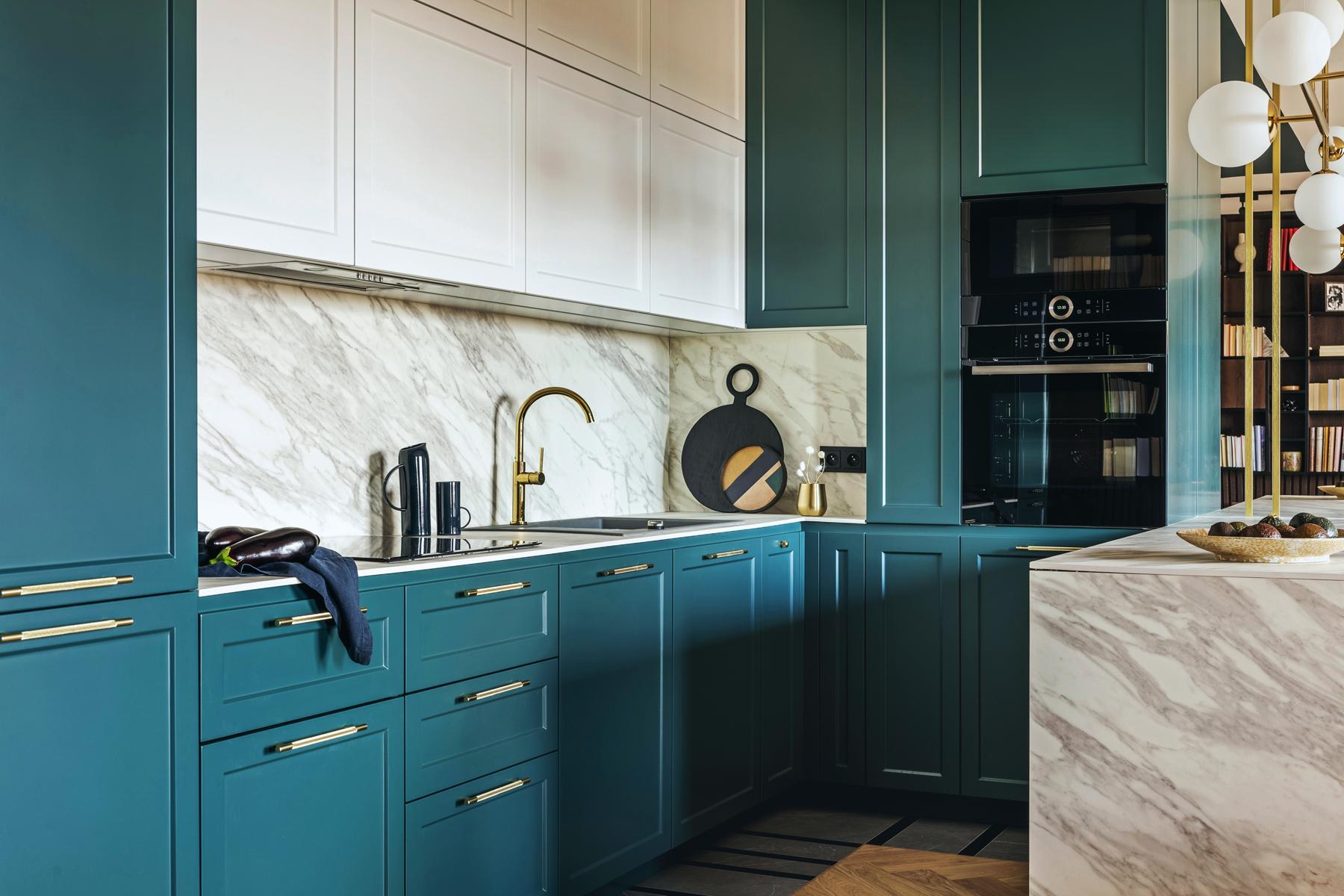
Two-dimensional laminates (2DL), three-dimensional laminates (3DL), and films are highly versatile surface solutions that blend design freedom, durability, and performance, making them ideal for cabinets, drawer fronts, furniture, and architectural components in both commercial and residential spaces.
Engineered from thermoplastic films, 2DL and 3DL are applied over substrates — primarily MDF or particleboard—to create sleek panels or seamlessly contoured components.
2D Laminates (2DL)
2DL is a flexible film used for flat lamination and profile wrapping, ideal for edgebanding, crown molding, and flat surfaces. Primarily made from vinyl, its plasticizer content enhances flexibility, reducing stress on the glue line between substrate and surface.
Beyond vinyl, 2DL includes polyester-saturated paper, polyester films (PET), light basis weight paper, decorative foils, and polypropylene films, all offering excellent flexibility and durability. Film-based 2DL provides superior resistance to water, chemicals, and scratches, with options for embossed woodgrain or unique textures, while paper-based 2DL varies in durability and finish.
Common applications include RV walls and ceilings, retail store fixtures, cabinets, commercial flooring, and residential components. Choosing between film-based or paper-based 2DL depends on the project’s durability, performance, and design needs.
3D Laminates (3DL)
3DL, or rigid thermoformable foils (RTF), is a membrane-pressed material that creates seamless, contoured surfaces without edge treatments. Made from polyvinyl chloride (PVC) or polyethylene terephthalate glycol (PETG), these thermoplastics soften when heated and retain their shape upon cooling. The vacuum or membrane press forming process allows 3DL to wrap around edges and contours, with thicknesses ranging from 10 to 16 mils.
With coatings that enhance scuff and chemical resistance, 3DL comes in various gloss levels, including soft-touch and fingerprint-resistant finishes. It realistically replicates woodgrain, stone, and abstract patterns, with Embossed-in-Register (EIR) technology for precise texture alignment, making it an excellent match for TFL.
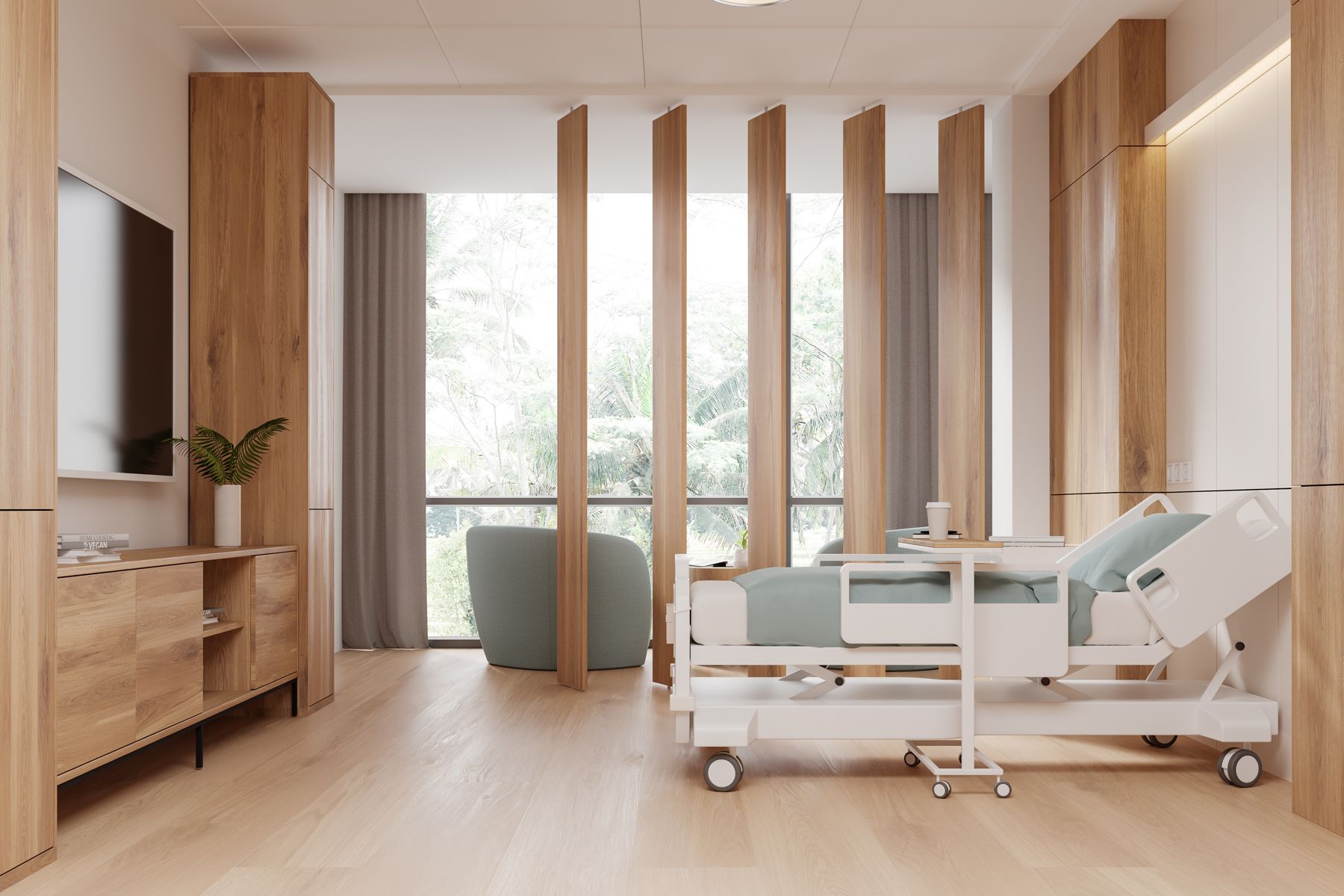
Highly resistant to impact, chipping, and cracking, 3DL is ideal for retail fixtures, displays, RV tables, and countertops. Its seamless surface also protects against moisture and bacteria, making it a preferred choice for healthcare furniture and cabinetry. When applied to routed MDF, 3DL can take nearly any shape, from logos and letters to raised panel and Shaker-style doors, making it a go-to material for POP displays, hospitality components, and office furniture.
MORE INFO Composite Panel Association More information, plus industry news, testing & certification, policy and stewardship at the Composite Panel Association's website CompositePanel.org | 
|
Versatility with 2D, 3D Laminates & Films
More than just surface materials, two-dimensional laminates (2DL), three-dimensional laminates (3DL), and films unlock endless design possibilities, merging beauty, durability, and functionality. These versatile solutions breathe life into commercial and residential spaces, shaping environments that are as inspiring as they are resilient.
Films
Decorative surface films — including polypropylene, polyester, and acrylic — offer water resistance, durability, and eco-friendly benefits.
Polypropylene Films: Calendered polypropylene films (5–20 mils thick) come in solid colors and can be printed, making them ideal for flat laminations and edgebanding in garages and kitchen cabinets. Biaxially Oriented Polypropylene (BOPP) and Oriented Polypropylene (OPP) provide enhanced dimensional stability and high-fidelity woodgrain prints. Coated for scuff, scratch, and stain resistance, these films (0.9–2.2 mils thick) are widely used in RTA furniture, cabinets, wrapped profiles, and wall panels.
Polyester Films: Available in PET for flat lamination and PETG for embossing, these heat-resistant films offer excellent print fidelity and are coated for scratch and stain resistance. Thicknesses range from 2–8 mils, making them ideal for 5-piece doors, healthcare, and residential furniture.
Acrylic Films: Highly durable and UV-resistant, acrylic films are designed for thermoforming or flat lamination. Resistant to chemicals and abrasion, they are easy to clean and available in printed or solid high-gloss finishes. Common applications include cabinet doors, bath and shower surrounds, and retail displays.
With limitless potential, two-dimensional laminates (2DL), three-dimensional laminates (3DL), and films don’t just cover surfaces — they transform them, turning ordinary spaces into extraordinary experiences where design and performance exist in perfect harmony.
CASE STUDY: Laminates Add Design Dimension
Design and durability are just some of the reasons JB Cutting uses 3D laminates for cabinet doors and drawer fronts, furniture components, store fixtures, accessory mouldings, and other products.
“3DL gives designers incredible flexibility with colors, textures, and finishes that range from high-gloss and super-matte to realistic woodgrains and metallics,” said Christina Relyea, director of Customer Experience. “With seamless edges and the ability to wrap intricate profiles, it brings a polished, high-end look to cabinetry, closets, and commercial spaces without the maintenance headaches of traditional materials.”
She added, “3DL components aren’t just about aesthetics — they’re built to perform. They resist moisture, bacteria, and impact, making them ideal for high-use environments like healthcare, retail, and residential applications. With seamless faces and wrapped edges, there’s no risk of chipping, peeling, or delamination, ensuring longevity and easy upkeep.”
They are also environmentally friendly. “The sustainability story of laminated panel products is gaining traction, but there’s still room for education,” Relyea said. “Many customers don’t realize that 3DL components use MDF cores that are better than carbon-neutral and help conserve rare wood species by offering realistic alternatives. As the industry shifts toward eco-conscious materials, 3DL stands out as a durable, responsible choice with a lower environmental footprint.”
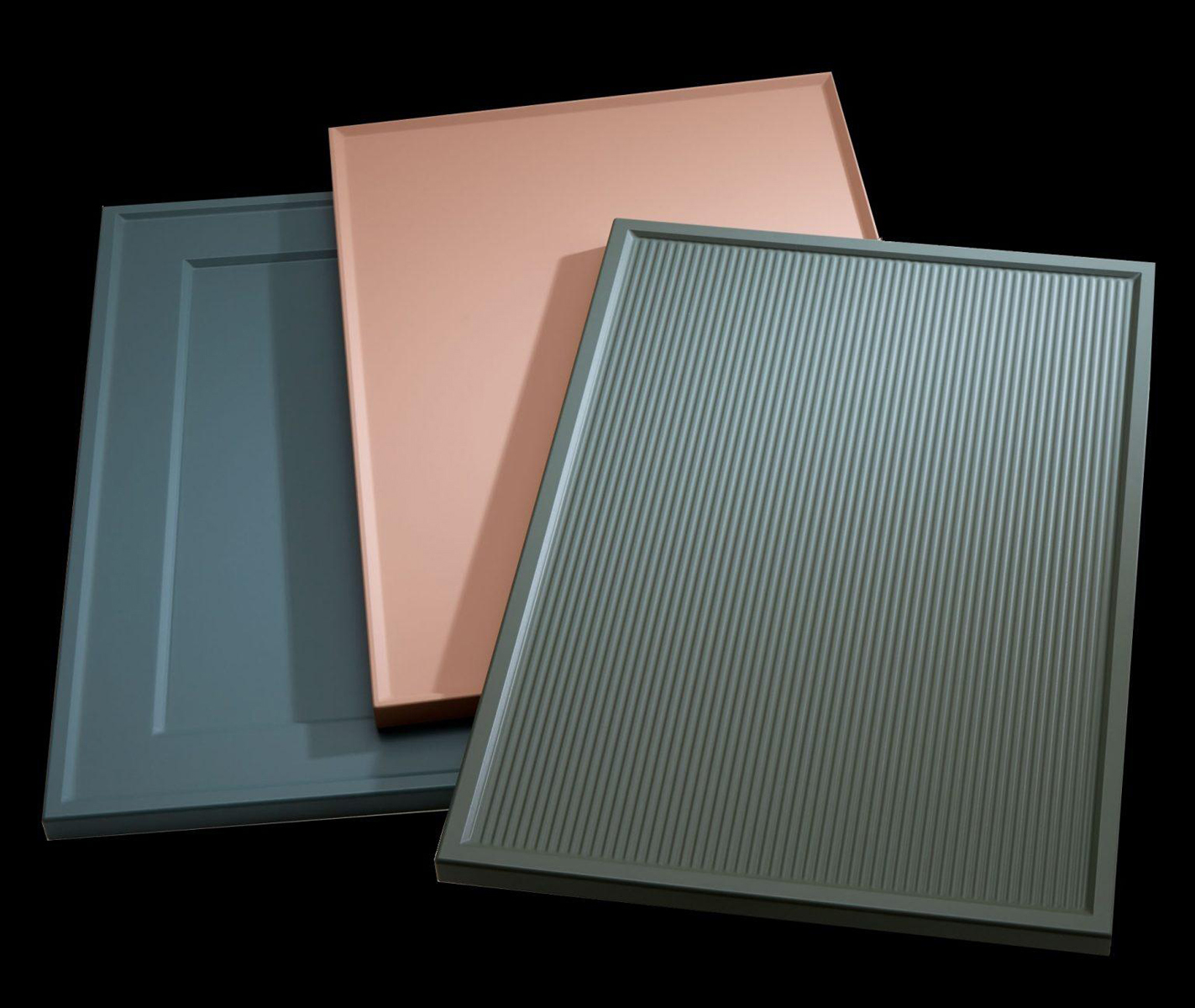
The Benchmark Collection (pictured) is among the new 3DL products offered by JBC and is available in three distinct profiles: Cambridge is a double Shaker door, Marin a micro-Shaker, and Riviera, a reeded Shaker door. JBC also sources 2DL profile-wrapped products for assembly and can offer matching components in either 2D or 3D to complement each other.


Have something to say? Share your thoughts with us in the comments below.