

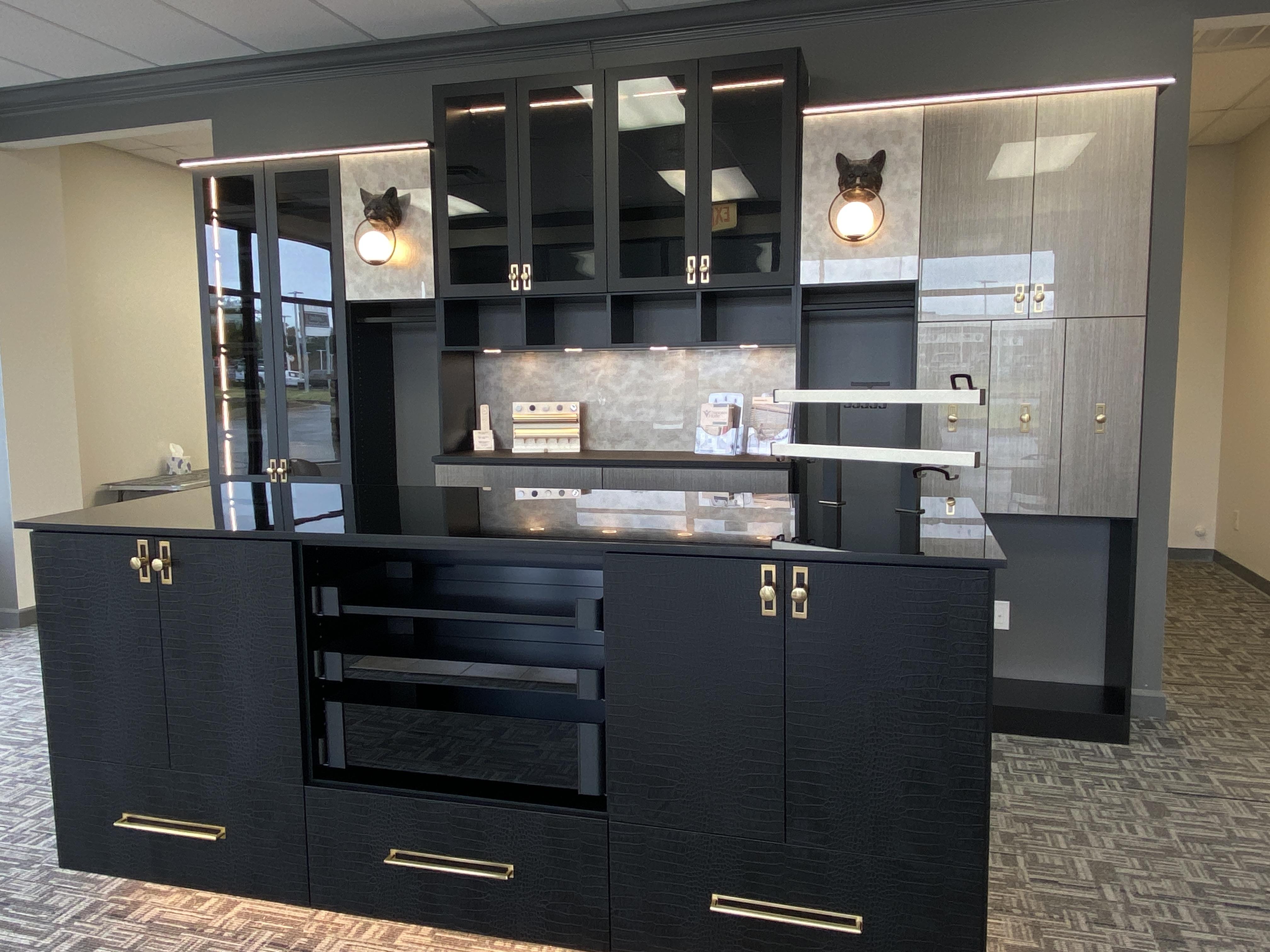
The closets and home storage industry has experienced significant growth in the past few decades, with accelerated expansion especially during the COVID pandemic. That growth has been noticeable to other market segments, so much so that lines are blurring. General contractors are building out pantries and organized spaces, and cabinet companies are aggressively moving into the closets arena. Consumers, saturated with online inspiration, are demanding cohesive, whole-home solutions.
For interior designers, custom closet manufacturers, and designers, sitting still is no longer an option. Diversification has shifted from a long-term goal to an immediate strategic need.
But expanding a product line is a venture with risk. It touches every facet of the business, from the capital investment in machinery and the volatility of new supply chains to the task of retraining a design team and marketing a new concept. Success requires a thoughtful, multi-layered strategy that balances market demand with operational reality.
We spoke with three industry leaders, business strategist Heather Fedewa, manufacturing expert Eric Marshall, and design-sales expert Carlissa Montoya, to outline the steps for successful product line expansion.
Before a single new hinge is ordered, the first step is understanding the market shift. According to Fedewa, founder of The Business of Closets, the push for expansion is a defensive and offensive necessity. “Expanding your business to better reach your desired client is no longer optional; it’s imperative,” she said. “We’re seeing buyers gravitate toward ‘one-stop shops.’ Cabinet companies are moving into the custom closet space, which means closet professionals need to think strategically about expansion in order to stay competitive.”
This new reality presents a dual opportunity: to capture more revenue from existing clients and to attract new ones who are looking for a single, trusted partner to manage their entire home organization project.
Montoya, founder of CM Closet Design and the Closet Darling Collective, has seen this firsthand. By expanding from closets into garage solutions with TORO Garage Co., she fundamentally changed her client relationships.
“Absolutely! The more problems you can solve under one roof, the easier it is to earn a client’s trust,” Montoya explained. “One client came to us for a closet and ended up doing their garage cabinets and floor coating too, because they didn’t want to juggle multiple contractors. Offering a whole-home solution doesn’t just increase revenue; it deepens relationships.”
This “whole-home” approach, however, must be built on a foundation of trust. “For me, it always starts with education and storytelling,” she added. “Your existing clients already trust you, so help them understand how this new product fits into what you’ve already created for them. When we expanded into garages... our message was simple: ‘We’ve already transformed your home, let’s finish it with your garage.’”
Upgrading vs. adding
While adding adjacent categories like garages, pantries, or home offices is a popular route, Marshall, founder of the Closet Training Institute, offers a counter-strategy: Focus on deepening, not just widening, your core product.
Marshall argued that untapped profit lies in upgrading the closet itself, a high-end sale that he believes is “insulated from economic challenges.”
“Every year, studies show closets are the hugest part of everybody’s business,” he said. “Garages or pantries are a small percentage. Why would we go after that as an additional product line? Why wouldn’t we just work on the product line we’re always doing and adding more accessories to it?”
This “luxury-up” approach also avoids the investment in new machinery and training for a different product category. Instead, it focuses on high-margin, low-friction upsells.
“The real place to go is traditional bedroom closets, just upgrading them,” Marshall emphasized. “The days of the black jewelry tray are probably dying, because the leather jewelry tray looks better. It sells for a higher dollar... A more expensive leather line belt rack takes the exact two screws to put in as a steel belt rack from sidelines... That one’s a $30 belt rack, and the leather line one is the $200 belt rack. And they take exactly the same experience and time to install.”
This, Marshall noted, is the true source of innovation in the industry. It’s not about reinventing the box but about elevating the components, using premium board finishes and high-design doors.
Fedewa agreed, calling this an “excellent entry point for expansion.”
“New materials, finishes, and sustainable options... they’re accessible, they add immediate value for clients, and they create profitable upsell opportunities,” she noted. “These small touchpoints not only increase client satisfaction but also strengthen professional partnerships.”
Make vs. buy
Once a strategic direction is chosen, the operational reality hits. For manufacturers, the first question is: “Do we make this ourselves, or do we outsource it?”
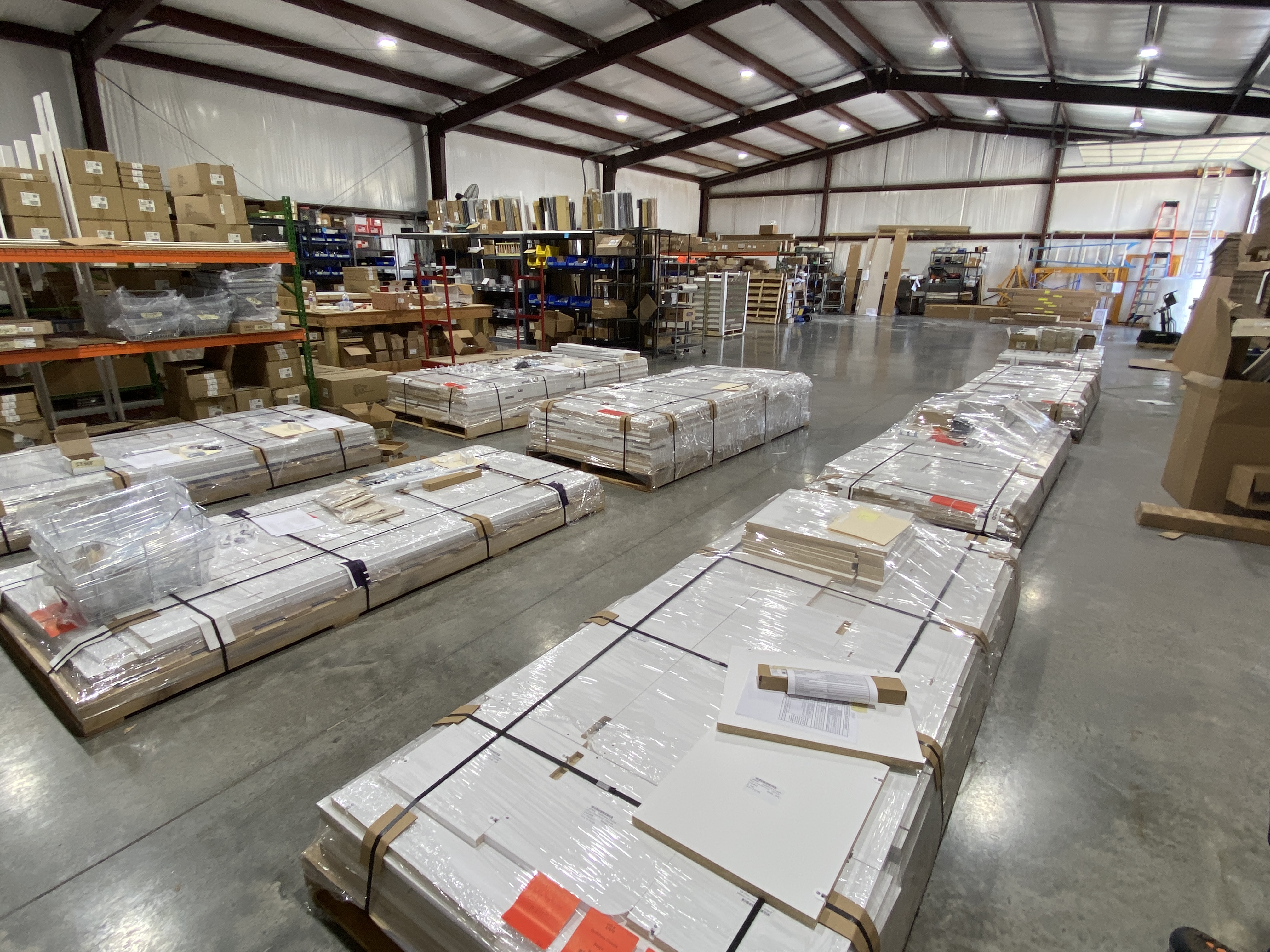
Marshall provided a warning about the former. “When we’re talking about machinery and tooling... it requires a significant investment prior to making any money,” he said. “It’s a huge business risk... Retooling is the biggest investment you’re going to have to make.”
This investment extends beyond capital. It requires new quality control processes and, critically, the right staff. “You’ve got to choose the right staff,” he continued. “If you’re just stamping out the same thing over and over again, you [can] have somebody that can be mindless about that... But if you were doing something that’s super creative, you need exactly the opposite kind of worker. Staffing is tough.”
Then there’s the supply chain. New products mean new materials, which can expose a business to extreme volatility. “When you come to... a new product, ‘just in time’ is probably the best way to do that,” Marshall advised. But he cautions that sourcing from Europe or Asia introduces a massive variable: tariffs.
“It’s volatile. You can’t judge it,” he warned. “This European tariff has been going on long enough... we’re waiting to see what happens.”
Given these stakes, Marshall is a proponent of outsourcing, especially for a new product line.“Outsourcing is probably the best thing to do... because it puts the responsibility of tariffs, mistakes, labor, material and supply on somebody else,” he said. “Buying your closet products from an outsourcer really puts all the burden of manufacturing on them... I totally think that outsourcing is the way to go.”
How to go-to-market
Sourcing the product is only half the battle. The sales and design teams must be able to sell it with passion and confidence.
“I’ve learned that you can’t train confidence with a PowerPoint,” said Montoya. “Teams need to touch it, see it, and believe in it. I like to get hands-on with design challenges.”
For Montoya, the incentive isn’t just a bonus; it’s the cultural understanding that the new product leads to better, more complete projects. “When your team sees that selling the new line helps them close bigger, more complete jobs, not just earn a bonus, they naturally buy in,” she said. Peer support, like that found in her Closet Darling Collective, is also invaluable for “confidence, value, and education.”
This confidence translates into the pricing strategy. Montoya advised against simple cost-plus pricing, advocating for a value-based approach. “Pricing is about balance and perception,” she noted. “I price based on value, not just cost. It needs to feel worth it... and in line with the quality people already associate with your brand.”
Sometimes, this means bundling services to reinforce value and ensure quality. “We only offer overhead storage with another service, such as concrete coatings or cabinets,” she provided as an example. “If clients can clearly see how it elevates their space and experience, price becomes secondary.”
Curating the presentation
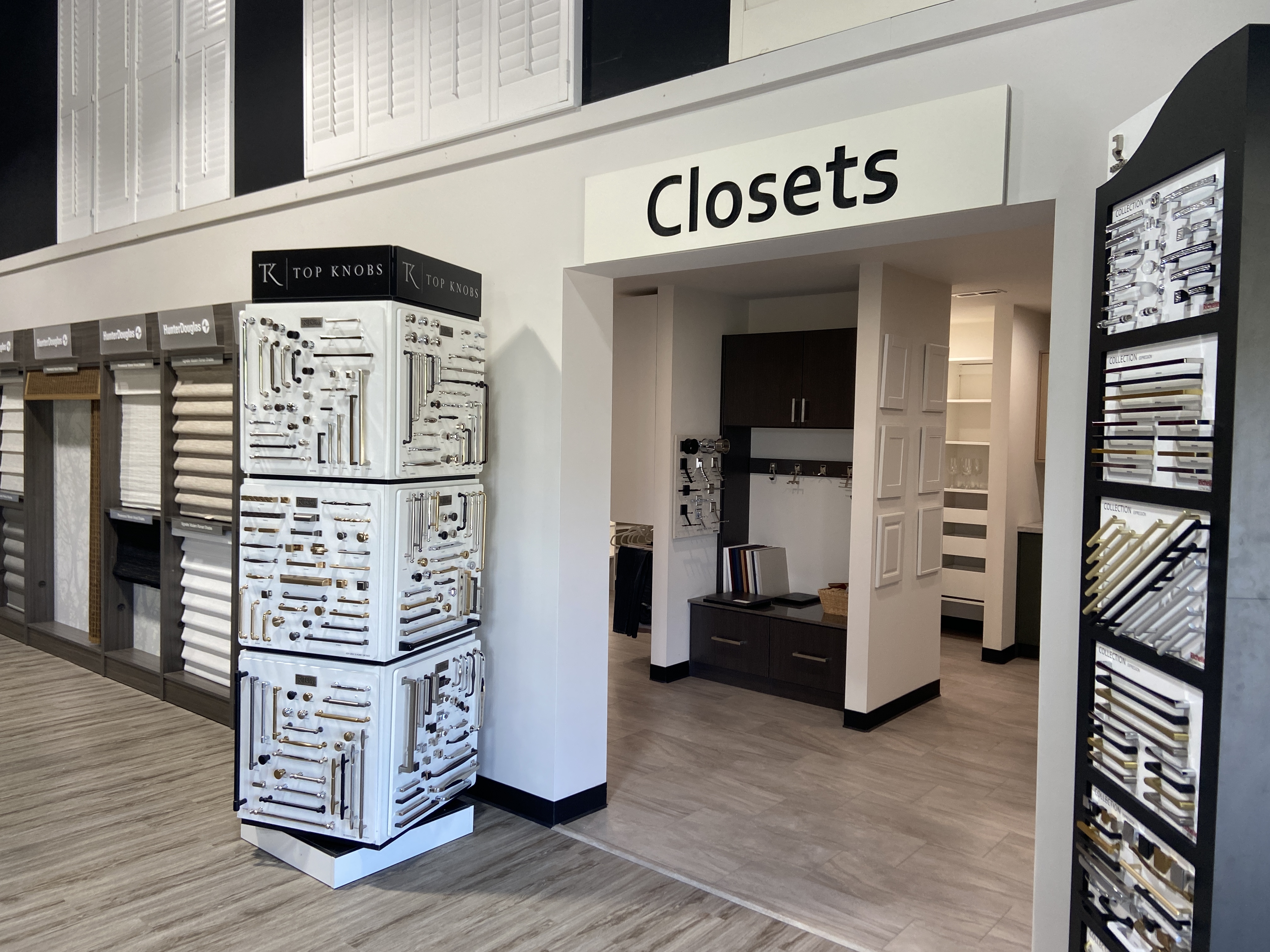
Finally, the new products must be integrated into showrooms and digital portfolios without creating a cluttered, overwhelming experience for the customer. Both Montoya and Marshall agree on one word: curation.
“Curation is key,” Montoya said. “You don’t need to show everything, just the right things. In a showroom, highlight one or two standout vignettes per category so it feels intentional, not cluttered.”
Online, this principle is even more important. “Focus on storytelling instead of dumping images,” she advised. “Every photo should tell a story. When people see themselves in the story, they’re not overwhelmed, they’re inspired.”
Marshall is blunter, warning designers against the “analysis paralysis” that kills sales.
“Get rid of the old stuff,” he stated. “I learned this from Arielle from TAG... she had a picture of this room full of handles, probably 1,000 choices. How do you let your customer decide? If you’re going to add something new, get rid of the least likely sold item that’s competitive with it. You’ll need three or four handles of different styles and four colors to actually sell handles... not 1,000.”
Ultimately, expanding a product line is a holistic endeavor. It demands a clear-eyed look at the market, a strategic decision on what to offer, a sober assessment of operational capabilities, and a passionate, story-driven sales approach.
As Fedewa noted, “My advice: continue expanding thoughtfully. Keep listening to your clients, stay informed about industry shifts, and explore new offerings that align with your market. That’s how companies stay relevant, resilient, and prepared for the future.”





Have something to say? Share your thoughts with us in the comments below.