

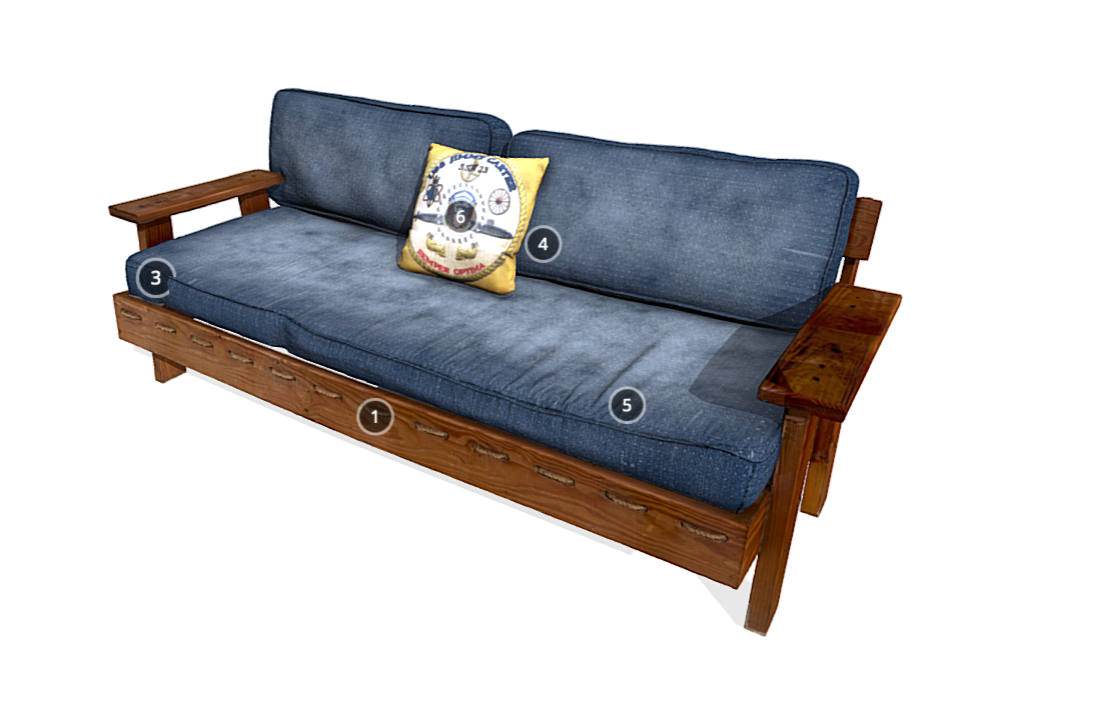
As the life of Jimmy Carter is celebrated in Washington ands around the world, his skills as a woodworker and furniture maker have been immortalized in a series of 3D models by the University of Southern Florida.
The University of South Florida's (USF) Center for Digital Heritage and Geospatial Information (CDHGI) created 3D models of Carter's handmade furniture. The collection includes pieces from Carter's home in Plains, Georgia, and was created in collaboration with the Carter Family, the National Park Service, and the Friends of the Jimmy Carter.
In a description of the Day Couch (pictured above), USF researchers said that Carter made this couch using old pine boards and half-inch rope that he had available. "Jimmy had just come home from the Navy in 1953, and he and [wife] Rosalynn were living in government housing at the time, where few tools were available for woodworking. A hammer and saw were mostly used to make this piece, and this was an inexpensive means of furnishing their home. Rosalynn helped with cushion upholstery and pillow-making for this and other furniture pieces that were made."
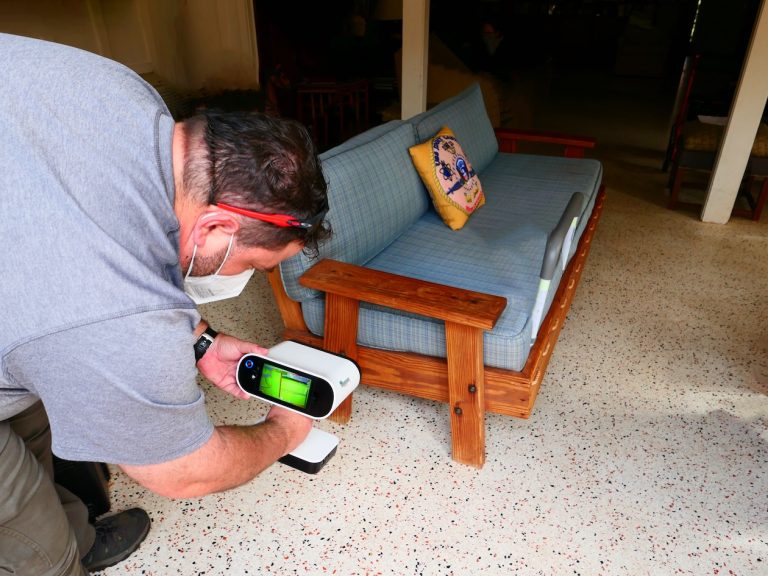
USF also created 3D models of Carter's boyhood farm, including a 3D point cloud from terrestrial laser scanning. The farm also features a virtual tour with narration from Carter, audio clips, and 360-degree imaging and video.
While the former president measured himself a “fairly proficient” craftsman, Chris Bagby, an Atlanta woodworker whose shop Carter frequented, elevated that assessment to “rather accomplished,” and in February 2024 the White House Historical Association described Carter as a "master woodworker."
In interviews, Carter said he typically spent three or four hours a day in his woodshop.
In 2004, Carter wrote a blog post for Fine Woodworking magazine describing his woodworking journey. "Since I was a child, woodworking has played an important role in my life," he wrote. Carter described his most recent project at the time: a large cabinet made of pine boards taken from the first home built on his family's farm in 1833.
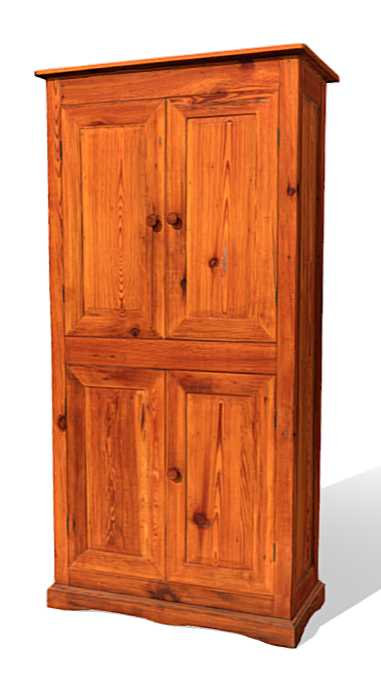
This chifforobe (armoire) is made from the ancient heart of pine boards by President Jimmy Carter. It is part of the furnishings Carter made for his home office in Plains, Georgia, according to USF's Sketchfab.com's page. In the description, it states that President Carter indicates that the wood for this piece came from the attic of Rosalynn’s Great-Grandfather’s home. The doorknobs show distinct growth ring patterns with more than 50 years visibly counted.
In an NPR story, "Master woodworker was among Carter's many accomplishments," he said as he was preparing to leave the White House after his defeat in the 1980 presidential election, his Cabinet members took up a collection and gave him a gift certificate for woodworking tools. "It has been the most enjoyable gift I've ever received," he wrote.
"In those quiet moments," Carter reflected for NPR, "I practiced dovetail and finger joints, learned ornamental carving, and became more skilled with the router, lathe, and other power tools. Over the course of that year, we acquired a log cabin in the North Georgia mountains, and I built all of its furnishings — beds, chairs, tables, benches, cabinets, stools, and even the smaller items needed in the bathrooms," he wrote.




Have something to say? Share your thoughts with us in the comments below.