


The National Woods Board (NWB) continues to make strides in its mission to address one of the most pressing challenges in the woodworking industry: cultivating a skilled workforce. Since its inception in 2020, the NWB has been dedicated to creating scalable and sustainable solutions to attract, train, and retain talented individuals in the wood products manufacturing sector. As the Board transitions to new leadership under John LeTourneau, a dynamic advocate for education in the trades, the future looks bright.
Vision rooted in necessity
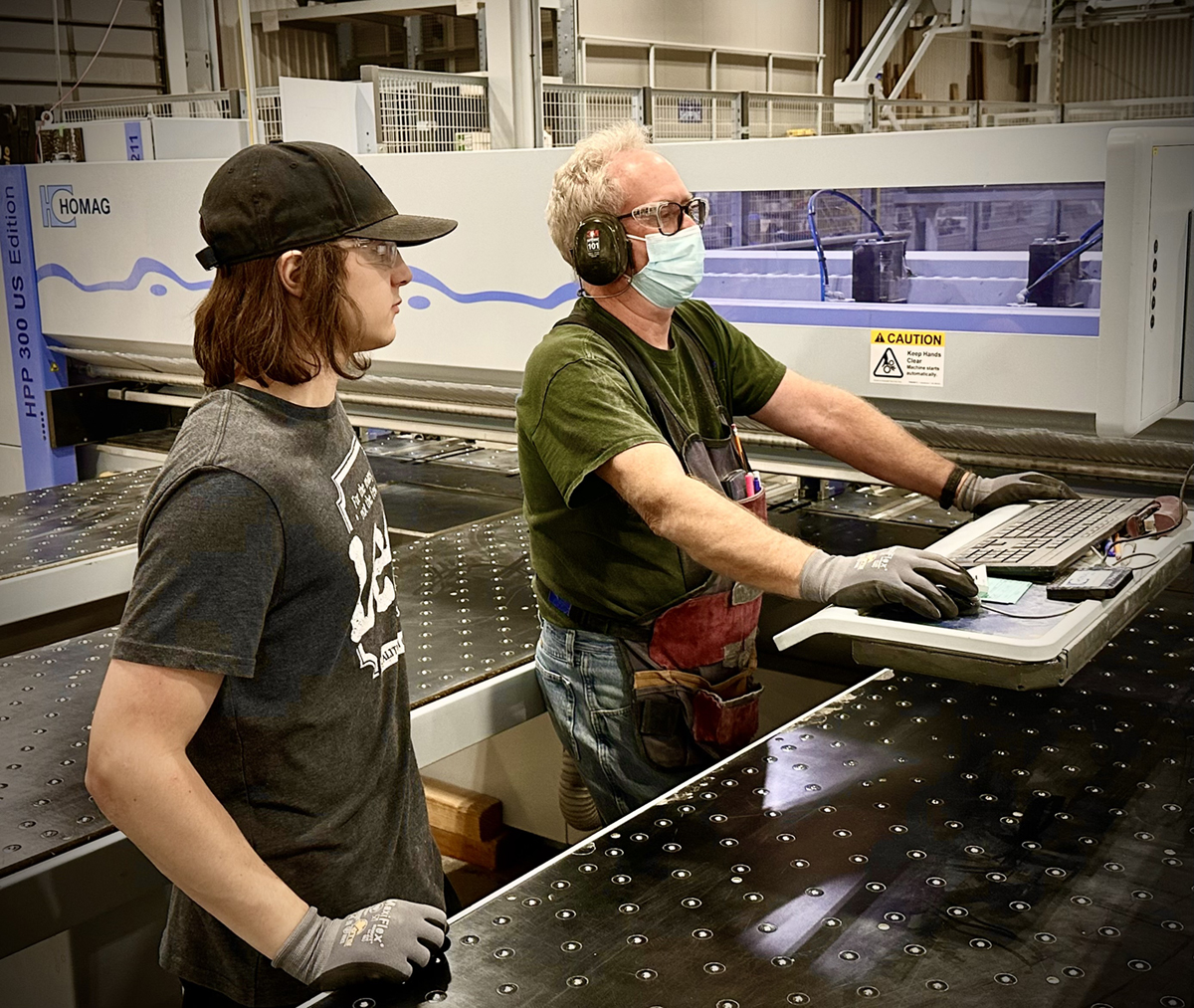
The NWB was born from a shared recognition of a decades-long workforce gap in North America’s woodworking industry. This challenge, while not new, demands innovative solutions as traditional methods fall short.
While successful training programs like those at Pittsburg State University and Fox Valley Technical College exist, their geographic limitations underscore the need for a nationwide approach.

Enter the NWB, inspired by the success of The MiLL (Manufacturing Industry Learning Lab) in Colorado Springs. The MiLL, founded in 2017, became a model for contemporary career and technical education (CTE), focusing on cabinetmaking alongside other trades such as electrical, plumbing, and carpentry.
Building on this foundation, the NWB seeks to further develop and disseminate a woodworking curriculum that can serve schools and communities across the U.S. and beyond.
Progress and achievements
Since officially becoming a 501(c)(3) nonprofit in 2023, the NWB has taken significant steps forward:
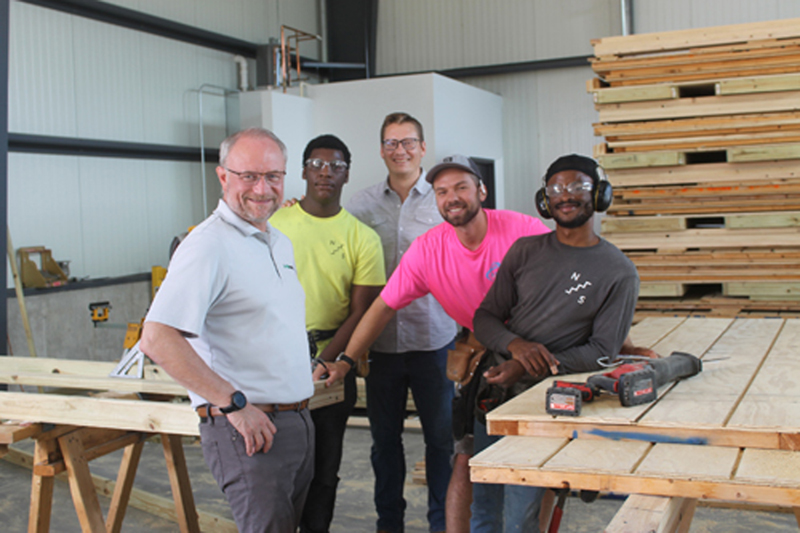
- Curriculum development: The NWB has developed The MiLL Method, a comprehensive approach to education that goes beyond lesson plans. This curriculum focuses on teaching the skills and knowledge that the woodworking industry needs, ensuring students are career-ready. Designed for scalability, The MiLL Method can be adopted by schools nationwide and incorporates the Woodwork Career Alliance (WCA) Passport program, providing students with valuable credentials recognized by the industry.
- Pilot schools: Five schools in three states have adopted The MiLL Method as beta sites, representing a significant milestone in evaluating and refining the program. These schools are providing crucial feedback to ensure the curriculum’s effectiveness in preparing students for industry demands. To support the pilot program, the NWB held an intensive teacher training session in June 2024, equipping educators with the tools, knowledge, and confidence to deliver this specialized curriculum. Full implementation began in fall 2024, positioning these schools as pioneers in career-focused woodworking education.

New leadership, renewed focus
John LeTourneau, succeeding Thomas Allott as chairman, brings fresh energy and a wealth of experience to the NWB. As an executive coach and a passionate proponent of advancing education in the trades, LeTourneau is committed to broadening the NWB’s reach and impact. His leadership signals a renewed focus on equipping the next generation of woodworking professionals with the tools and knowledge they need to succeed.
Challenges ahead
Despite its progress, the NWB faces challenges that require ongoing industry support. Workforce shortages remain acute, underscoring the need for a unified, coast-to-coast solution. To sustain and expand its efforts, the NWB is actively seeking financial contributions from industry stakeholders. These funds will enable the organization to refine its curriculum, grow its reach, and support schools in adopting its innovative programs.
In addition to financial backing, the NWB calls on industry leaders to help establish connections with schools and educators who can benefit from its program. By acting as advocates and liaisons, supporters can play a crucial role in fostering communication and collaboration, ensuring the NWB’s efforts remain relevant and impactful. Together, these partnerships will help build a skilled workforce ready to meet the demands of the woodworking industry.
Looking ahead
The NWB is more than an organization; it is a movement aimed at securing the future of the woodworking trades. Its innovative curriculum, strategic partnerships, and dedicated leadership lay the groundwork for a robust talent pipeline. With LeTourneau at the helm, the NWB is poised to make an even greater impact, providing a unified solution to a challenge that has persisted for far too long.
For more information about the National Woods Board and how you can get involved, visit nationalwoodsboard.org. Together, we can build a brighter future for the woodworking industry.
Author: Amanda Conger is the executive director or the National Woods Board.



Have something to say? Share your thoughts with us in the comments below.