

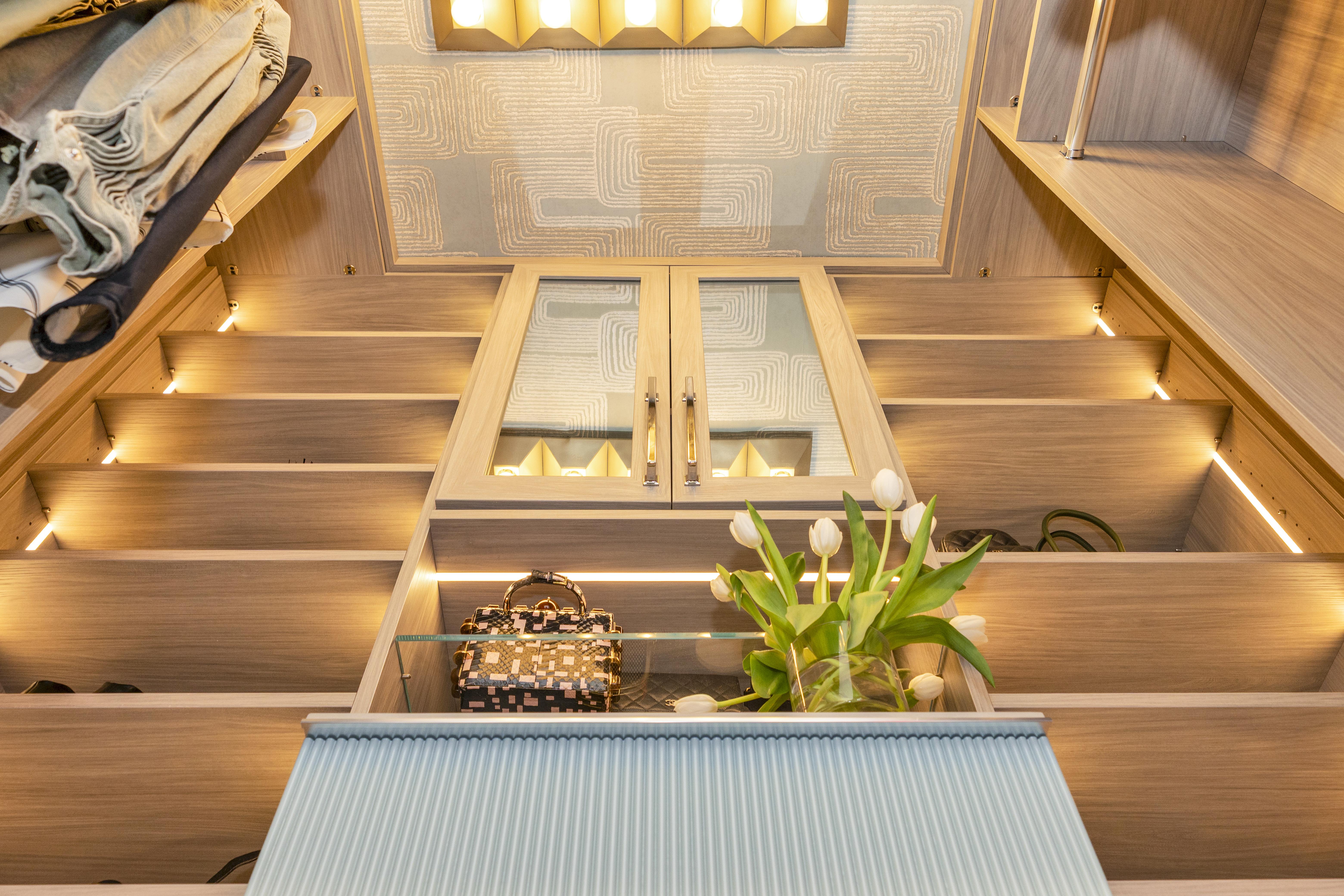
Expectations for residential closets have risen sharply. Renters and buyers now expect spaces that feel curated and elevated, and for multifamily developers working at scale, that creates a real tension: Deliver a premium feel without premium pricing.
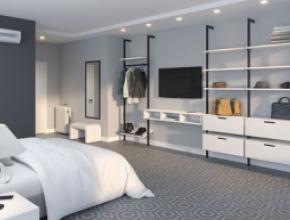
In competitive markets, a thoughtfully designed closet can tip a leasing decision and deliver one of the highest returns on investment. What makes a closet feel high-end comes down to a few consistent traits: A cohesive material palette, clear functional zones, clean lines, and minimal visual clutter. Lighting amplifies this effect; think specially placed lights for added drama or LED strips under shelves or inside cabinets to look more customized. But the most important insight is that design decisions matter as much as material costs.
“No matter what the size is, the primary closet tends to be larger than all the other closets in the home,” noted celebrity designer Nikki Chu. “So especially in a multifamily unit, using reflective materials ... helps elevate, open up, and create a luxury atmosphere.”
Smart material selection is important. For example, mixing materials such as Wilsonart’s laminates and surfaces used in a featured project, or their decorative metals behind a single lighted mirror, or even a simple framed mirror, gives designers the tools to build a luxury palette at a realistic price. In multifamily applications, one practical advantage stands out: panels can go directly over unfinished walls.
“You can have rough ends and rough corners because your material finish is going to come and protect that,” noted Chu, a meaningful labor and cost saving at volume. Knowing where to invest and where to hold back matters just as much. Decorative backings behind display areas for shoes and bags add cost quickly. Chu recommends reserving them for the focal wall and keeping the rest restrained.
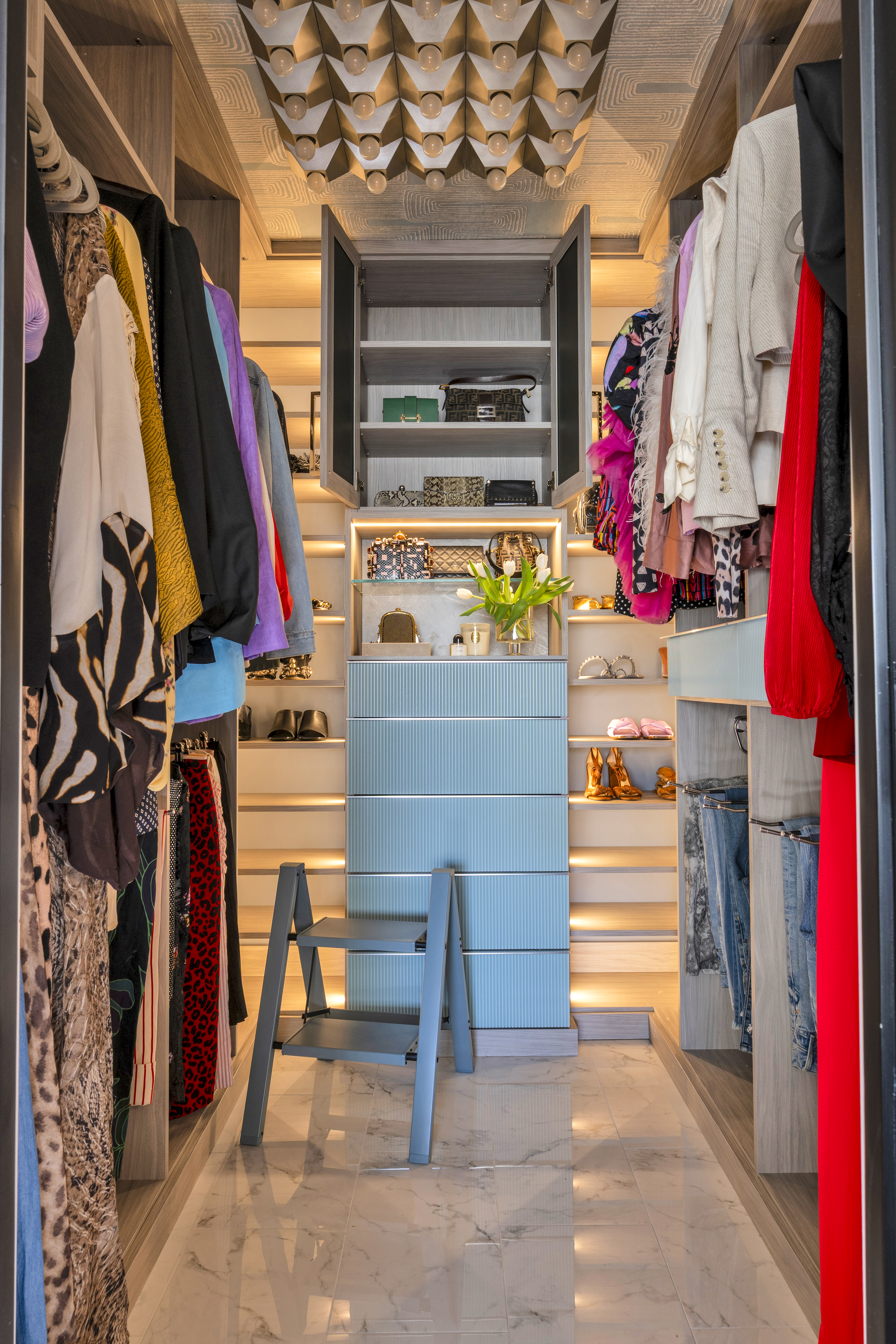
“When you open your closet door, there’s a wall you see first. That’s where I do my bang for my buck,” she said. “You can downplay your sidewalls, but that first focal wall is where I concentrate the elevated materials, the lighting, the textured drawer fronts — all of it.”
The combination of finishes is what takes a closet from nice to compelling. Chu is a believer in contrast, but with a plan behind it. “My rule of thumb is to start with a wood tone as the base and bring in at least two contrasting materials, but no more than three,” she explained. “A wood tone with glass or mirror creates shine and sparkle, and then a metal or ultra-matte surface brings in color and depth.” Everything should coordinate in color tone, even as it contrasts in finish. Start by pulling your swatches, build your color stories, find your wood base, and work outward from there.”
Tiffany Woodson, founder and CEO of Dallas-based interior design firm INK + ORO, also sees the benefit of using color to make a closet’s aesthetic more refined. “When choosing a color palette, we see it as a blank canvas for a wardrobe to really shine. We prefer soft neutrals in leather tones, typically taupe, cognac, cream, but often integrate secondary base colors like a blush or powdery blue.”
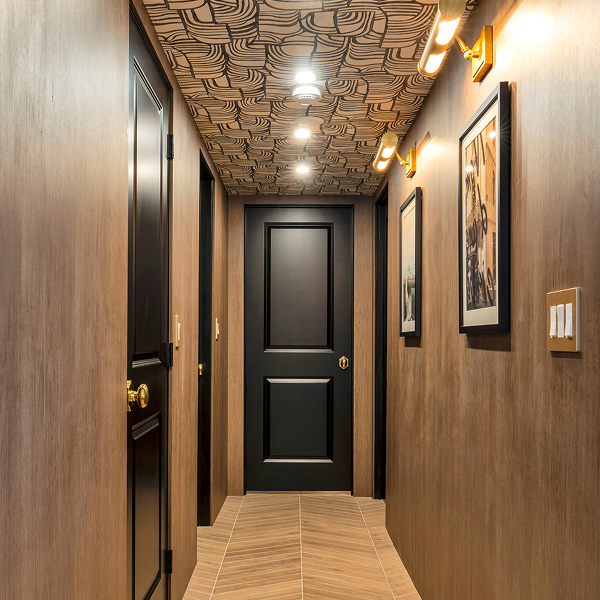
In multifamily housing, durability is a financial spec as much as a performance one. Materials must resist wear, scratches, and moisture while maintaining their appearance across multiple tenancies. Chu speaks to this from experience: Having previously used real wood on a project, she encountered peeling, inconsistent cuts, and costly installation failures. Modern high-pressure laminates changed that equation. “It looks real, but it’s so durable,” she noted.
Lifecycle thinking extends to hardware. Chu cautioned against door fronts in high-use storage areas, where hinges wear out faster. “Save the cabinet door moment for the focal wall, where they’re opened far less frequently.”
Essentially, luxury, as an experience, is achievable through strategy, not spend with smart material selection, durability thinking, and design intent. Learn more at wilsonart.com.


Have something to say? Share your thoughts with us in the comments below.