

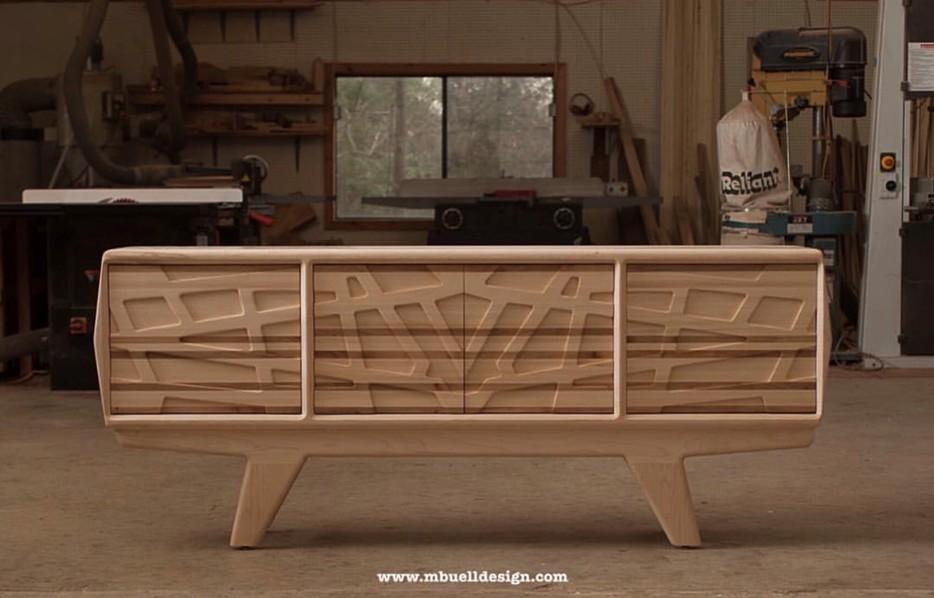
Just for fun, this month I’m going to lay out how I would go about entering the Young Wood Pro contest if I were doing it today. I would keep it simple and break it down into three main categories when considering my entry.
The first one is the obvious one: selecting work that shows quality craftsmanship. It’s easy to overlook this one, but it’s still one of the most important variables in the equation of putting together a good entry.
The honest truth is if your work is not of quality then I’m not sure how well your business is going to go. Having a good product that is of a high standard is the most important thing.
The second category I would focus on is showing a business sense through entering with a piece that is repeatable and easy to market.
The last thing that I would focus on is making sure my piece demonstrates use of quality hardware components and small details from craftsmanship.
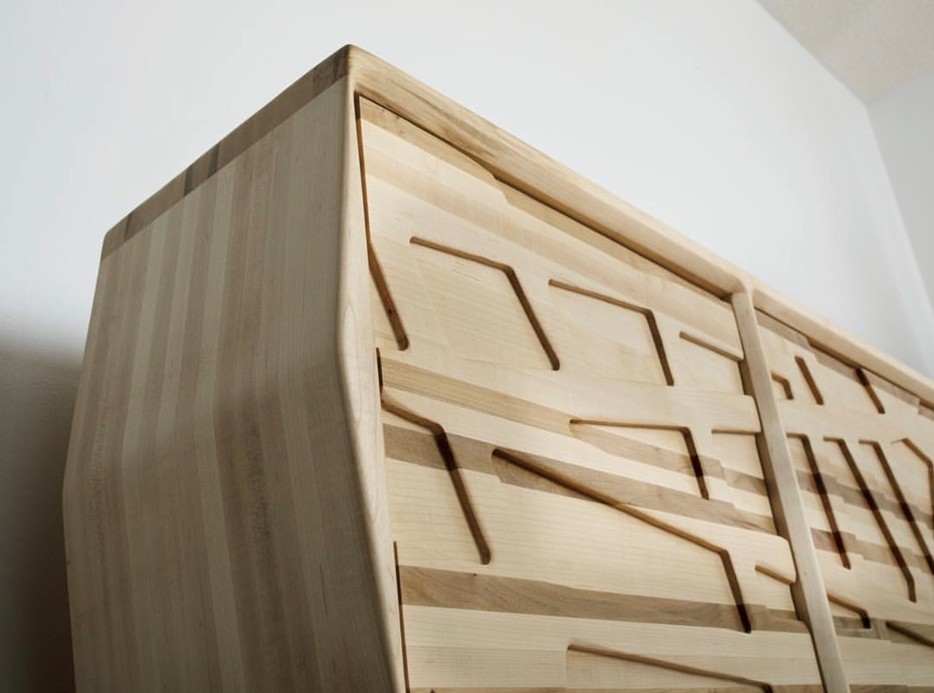
Although I have several pieces I would consider entering for the sake of showing quality craftsmanship and skill, after looking at my other details, I want to make sure I get one that covers all three categories. For this article, I will choose one of my sideboard cabinets that I call the Kingpin.
From a craftsmanship standpoint, all of the doors are routed with a template by hand and sanded through the grits by hand. That alone, I feel, would display enough craftsmanship, skill, and originality to meet my standards for an entry. Also, the angular sides, are freehand cut on a bandsaw and then sculpt-shaped by hand with sandpaper and planes. This is a great example that I could demonstrate to the judges that I am proficient with tools and don’t rely on anything but skill.
Now this next one is going to be tricky but it’s an important part of running a business. I’m sure a lot of people that have done this for a living would agree with me that sometimes their best piece hasn’t been their best-selling piece.
The piece I’ve chosen for this is one of my better selling pieces, but I do not find it to be my best. However, it perfectly meets the criteria that I have as an entry. This piece is designed with repeatability in mind as the doors I template-rout, and I can replicate as many times as I want.
It is also available in two different depths, and I don’t really mess with much with different sizes unless it’s special order. The beauty of that is that I can do shipping estimates quickly based on the sizes being consistent.
The piece also photographs well. It looks good in different styles of homes, and I have found that to be an advantage in marketing. It’s calm enough looking while still making a statement. Some pieces just have it, and this one has shown over time that it’s one of those.
I’ve also found this piece translates well in different types of lumber or colors, and I’ve made several in various species. I also feel like this piece shows creativity and originality without being so far out there that it loses a sense of being approachable to the regular consumer. It also is refined enough that I feel like it conveys a level of professionalism beyond something people would find at a craft show.
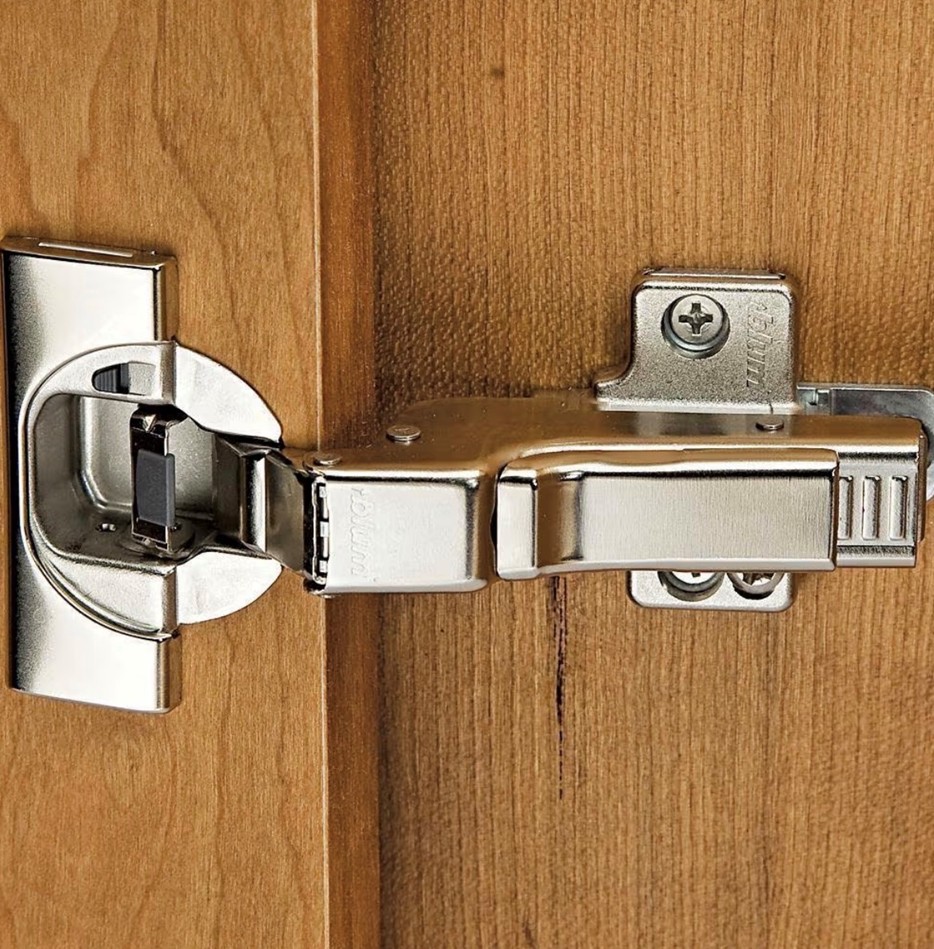
Another great aspect of showcasing your piece is showing your choice of quality hardware components and small details. It has been my experience that these two variables are always the cherry on top of the icing for clients. I have won over more clients and gotten more job jobs just by going the extra mile and incorporating this into my work for years.
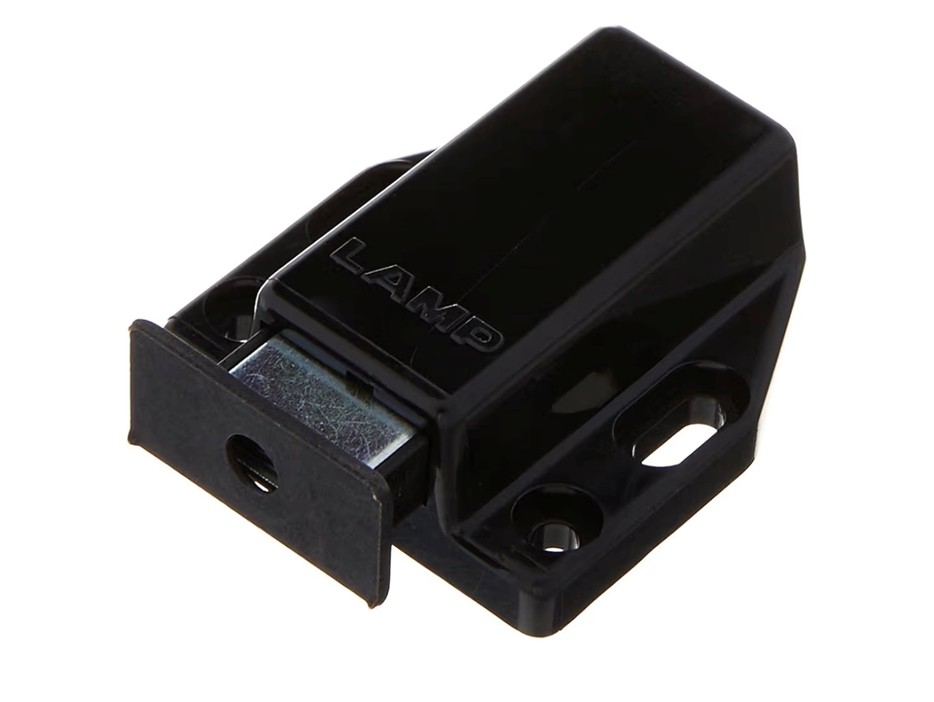
This piece keeps it kind of simple, but it still has the ability to showcase quality hardware. This piece uses soft close Blum inset Euro hinges, and Sugatsune magnetic push door latch opening mechanisms. Also, on every piece, I include height adjustable feet just like the ones this one comes with.
Regarding small details, I will state the obvious and say that the doors on this piece are in significant amount of detail work and the hours of sanding to go into it alone would make most people want to go buy a CNC.
Other details on this piece that are harder to see in a picture would be all the edge work in the interior and exterior of the cabinet carcase. I use much larger roundover and chamfering bits to create shape and smoothness to the hand, which is extremely noticeable. Also, the angular side panels are shaped by human hand, but they are also subtle, which does make it a smaller detail that is appreciated by people in person even more than in a picture, as clients have told me over the years.
I cannot overstate enough, how important it is for you to consider the quality of the hardware you selecting for your pieces. Every now and then, a client will have their own preferences, but it has been my experience that it is best that I choose hardware ahead of time for them. I let them know the reasons why, and in the end, the quality usually is a good selling point.
If you haven’t noticed the theme here, I’ll clue you in. The three main categories I’ve laid out for you all lump together into what I consider the three main components of good salesmanship. I can assure you there is no way to get around the aspect of sales for your business. It’s important that you have a skill set to produce quality goods, without a doubt. But it is equally important that you know how to sell those goods and that you know what characteristics of the piece need to be considered to help elevate that.
I highly encourage you to use this contest, not only as a chance to just to win something, but also open up your thinking a little bit on your approach and how to best communicate to the judges that you were capable of representing the assets of building a piece professionally.
Entries are open until May 22 for the 2026 Young Wood Pro contest, which is sponsored by Castle. Learn more at woodworkingnetwork.com/ywp.





Have something to say? Share your thoughts with us in the comments below.