

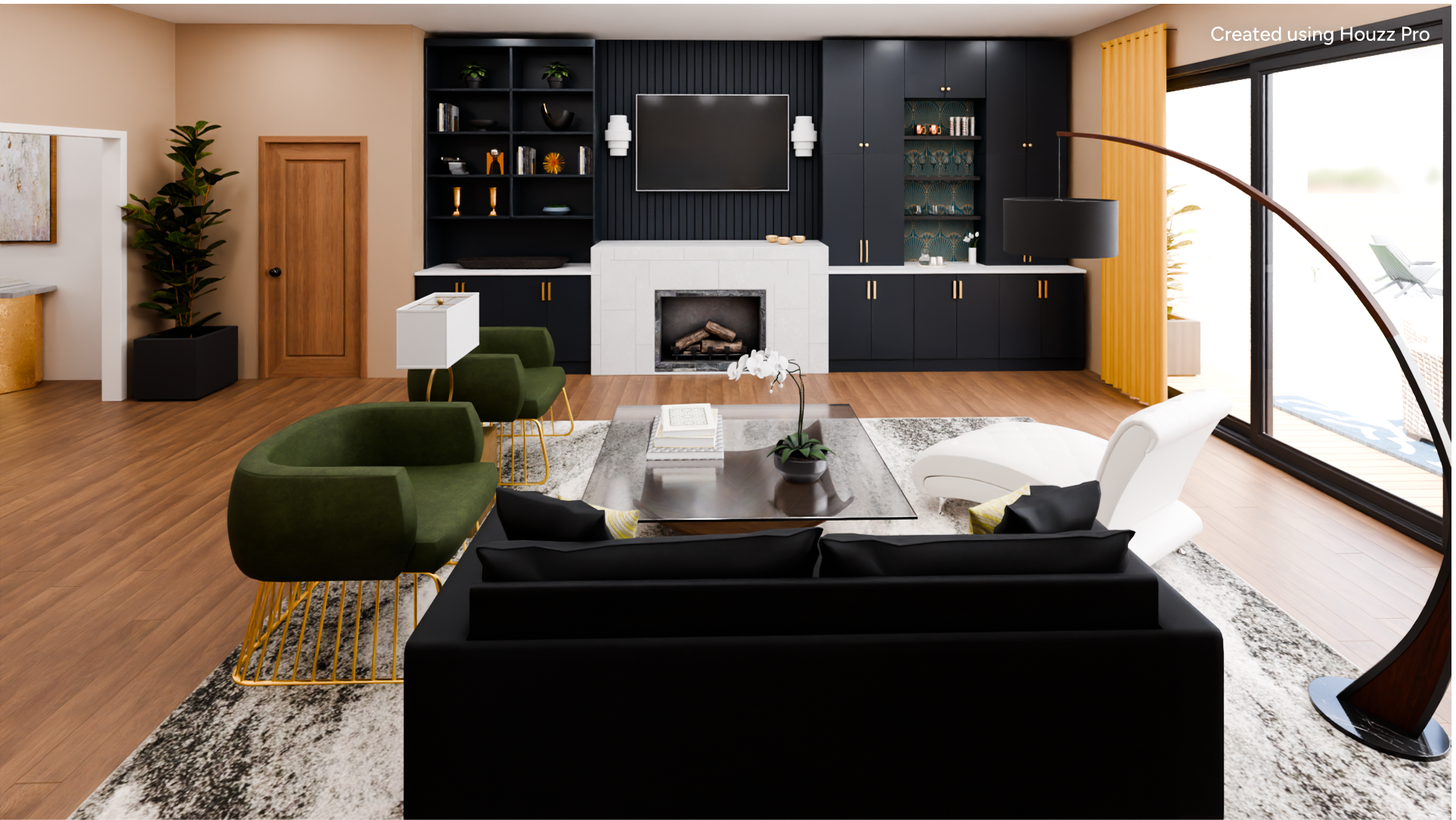
Today’s home buyers are expecting more from their homes, with nearly 1 in 5 (17%) purchasing a multi-generational home, according to the 2025 National Association of Realtors research.
The "2025 NAR Home Buyers and Sellers Generational Trends" report cites top reasons for making the purchase:
Cost savings (36%)
Health/caretaking of aging parents (25%)
Children/relatives over 18 moving in (21%)
By 2030, the U.S. Census Bureau data shows that all Baby Boomers will be 65 years or older. 2020 Census findings estimate this generation at about 73 million, creating a demographic shift often referred to as a "gray tsunami."
The NAR trends report breaks Baby Boomers into two categories, based on their changing needs: Younger at 60-69 (26% of recent buyers), and Older at 70-78 (16% of recent buyers). Younger Baby Boomers expect to own their homes for the longest period of time: 20 years.
By looking at recent purchase trends and population shifts, it’s easy to see that multigenerational spaces are key, both in that more generations are living together at one time in one location, and because buyers plan to be in a home well beyond their current living needs.
These trends create opportunities for closets and storage professionals to provide their expertise to serve multiple generations, as a homeowner’s needs and life shift, through discrete and functional solutions.
Ask questions to understand needs
Boomers led as the largest generational group of buyers, NAR found, but Gen X – now at an age responsible for children and parents – followed at 24%. Gen X consisted of the highest-earning home buyers and the group purchasing the largest homes. This can easily give them the budget, space, and need for adaptable custom storage solutions.
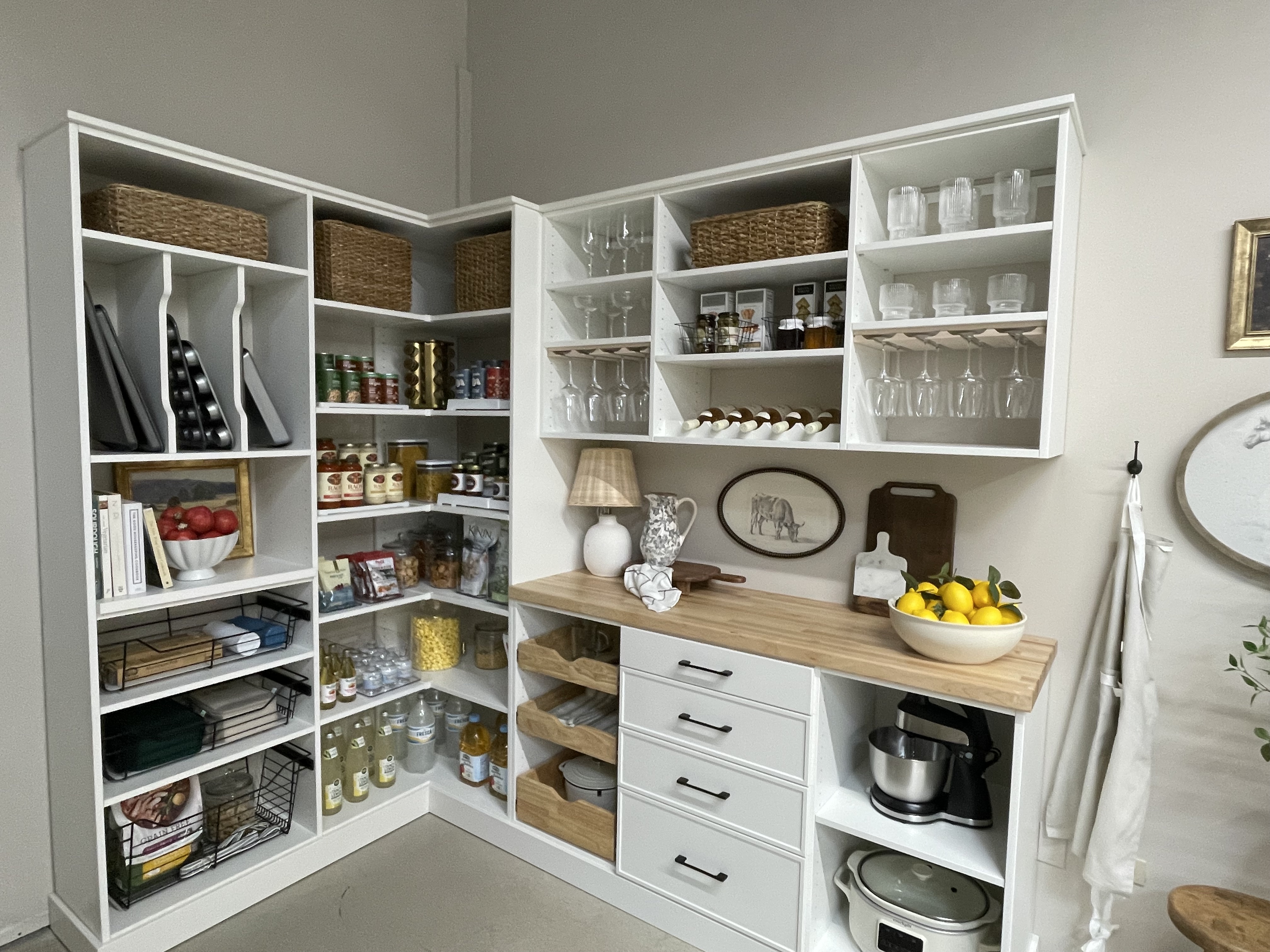
While any nook or cranny in a home is fair use for storage, some common spaces in a multigenerational home that deserve extra attention include entry points (foyer or mudroom), kitchen pantries and cabinets, and storage closets.
When approaching a project as personal as multigenerational storage, Janet Stevenson, owner and designer at JBS Closet and Storage Design, recommends understanding how space is used by spending as much time with the client as possible in the initial phase of a project. She encourages asking thoughtful questions, such as "Do we have any family members with restrictions that I should be aware of?"
"If you don’t ask the question, you won’t know that you need to make some adjustments to make everything work for all of them," Stevenson continues. "I am always looking at spaces with eyes open, as I love to find an opportunity to come up with something new, different, and creative in any client opportunity."
Considerations for multigenerational spaces
Both Stevenson and professional organizer Robin O’Brien agree on some core tactics to consider around safety, adjustability and ongoing upkeep.
Safety: Safety is first when deciding layouts and storage, explains O’Brien, owner of Let’s Get Organized with Robin. For example, put heavy items near the floor. "You’d be surprised what people put up high. It’s shocking to me, especially when there [are] people who can’t reach it."
Accessibility: Consider how people will use a space today, and as their needs shift. Reference sources such as Universal Design principles and ADA Standards for Accessible Design, which recommend a 60-inch (5-foot) turning radius to accommodate wheelchairs, and a 36-inch clear width between islands and hanging sections for mobility aids. "Products to help and ensure accessibility can be designed to assist in making ease-of-use a flow of the space possible," Stevenson notes, making sure they are placed at heights that children or those who use mobility devices can take advantage of.
Adjustability: Look for storage that is set up to adjust without restructuring or having an installer come back. "Most closet systems can be built totally adjustable with minor requirements," Stevenson recommends. "We have a wealth of products in our marketplace that can be adapted and modified to fit any situation, if you have that creative mindset."
Flexibility: O’Brien strives to incorporate multi-use furniture and offer quick ways to flex between uses, such as a spare room that serves as a home office and guest space. A desk or table space can be a work station, and with a few quick swaps and putting work items into a bin and swapping with linens and toiletries for a guest setup, the flat area can hold luggage. "Keep each bin in the closet, swap as you need," she says.
Zoning: Organize areas by purpose, not person, O’Brien suggests, making a space as broad as it can be. Snacks all go together, so no matter who is in a pantry, if they want snacks, it’s easy to see what’s available. That way, she cautions, a child isn’t grabbing medication for a grandparent, mistaking it as the elder’s snack.
Stevenson aims to flesh out considerations for multi-use spaces during the initial consultation process, best aligning with storage solutions and space dynamics. "A thorough consultation for any area of the house helps to come up with solutions to fit that specific area for the entire household," she says.
Human-centered approach triumphs
In the end, success is defined by considering human design. Storage that serves over time and through generations may be a growing process like life itself. Stevenson reminds clients that nothing is forever: "If you change in any way, things can then be used differently or modified so you can use it in other ways."
A sustainable long-term solution means functionality over aesthetic: "The storage has to be met with the workflow of the household, and not just what looks best always," O’Brien notes.
She finds the most successful and sustainable solutions are those that meet her clients where they are and how they live their lives: " ‘Where are you feeling overwhelmed?’ I use those answers to where we’re going to focus."
Products for flexible living When planning a storage space for multiple uses and people, make it easy for them to find things, hide them, and use the space as they already do. Make the space work across generations with these tips and tools: Pull-down mechanisms: Used in closets or cabinets to bring items within reach. Integrated lighting: For better visibility and accessibility inside storage areas. Hidden features or storage: For keeping certain items out of sight. Over-the-door or closet hooks: To better utilize vertical space. Charging stations: A designated spot to manage cords and ensure devices are charged, promoting good habits. Clear containers: To easily see what is inside, which is helpful for all ages. Pullout containers and drawers: Preferred over containers with tops to simplify the process of accessing and putting away items. Labeling: Essential for knowing what you have and maintaining organization, especially when organizing by purpose. |




Have something to say? Share your thoughts with us in the comments below.