

 Sponsored by: Columbia Forest Products: North America’s largest manufacturer of hardwood plywood and hardwood veneer.
 A nice looking, multipurpose species, hackberry is popular with wildlife and birds, which dote on its purple-toned fruit. And while it might not be the first choice for fine woodworking, there is ample proof that hackberry can be translated into a stunning range of finished products.
“Although hackberry is infrequently used for aesthetic applications, it is a very versatile and attractive wood that, with the proper preparation from log to lumber or veneer, should be considered a viable option for furniture and cabinetry,” said Ang Schramm, director of technical services, Columbia Forest Products.
Schramm said that because of its tendency to readily exhibit oxidative sap stain and to host various fungi, hackberry has fallen from favor over the last few decades and is often relegated for use om covered furniture or pallet stock. However, he added, these conditions are related to moisture and drying, and, with the proper procedures may be overcome.
 John Sterling, a Milmont, PA-based furniture designer and woodworker, has used hackberry in his business, J. C. Sterling Fine Furniture & Accessories. “I found hackberry to be easy to work,” he said. “There is some interlocking grain, similar to elm, but if you have sharp cutters it doesn’t create an issue. I chose it for the color — creamy white with some yellow, brown or greyish streaks in it. I use clear finishes on all my items and using an oil-based varnish/oil blend increased the amber tones of the wood. You can also use water-based varnishes to maintain the white color.”
 Photo: J. C. Sterling Fine Furniture & Accessories
Sterling has used hackberry in several designs including a four-drawer chest made with cherry and a hackberry top and a coffee table teamed with legs made from walnut. His philosophy regarding his work is that “Form and color can change moods, tactile elements can enhance comfort, and natural elements connect us to earth’s live giving forces. Natural elements add warming touches to our homes.”
Another woodworker who has also used hackberry, including reclaimed hackberry, in his work is Seth Deysach of Lagomorph Design. Among the pieces created has been a hackberry desk with lacquered MDF drawers.
 Photo: J. C. Sterling Fine Furniture & Accessories
Spalted hackberry has also been used for a variety of applications and offers a dramatic look, especially as an accent in cabinetry or furniture or as a turned piece and in specialty applications, Deysach added.
Abundant Species
According to Schramm, common hackberry (Celtis occidentalis) can be found throughout most of the upper Midwestern United States while its kissing cousin southern sugarberry (C. laevigata), is throughout the southeastern part of the country. “Their ranges actually overlap to the extent that naturally occurring hybridization is possible due to the genetic similarities of these two species within the genus Celtis, which actually consists of about 40 species worldwide.”
 Photo: Lagomorph Design
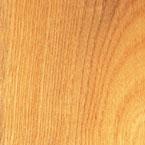
When harvested, hackberry and sugarberry are generally indistinguishable and both are classified generically as hackberry, Schramm added. “They both exhibit the normal cream to khaki color in the sapwood with occasional grey tones developing. The heartwood may be only slightly darker to a ruddy darker brown color and dark streaks may be prevalent in both. The genus is ring porous with clearly discernible alternating layers of coarse textured springwood followed by much tighter, smoother textured summerwood, similar to oak, ash, or elm, which it most resembles. In fact, it has occasionally been called ‘poor man’s elm,’” said Schramm.
In addition to furniture frame stock, millwork, casework, pallets, and shipping containers, hackberry also has been used for tool handles. It machines relatively easily and takes a finish well.

Have something to say? Share your thoughts with us in the comments below.